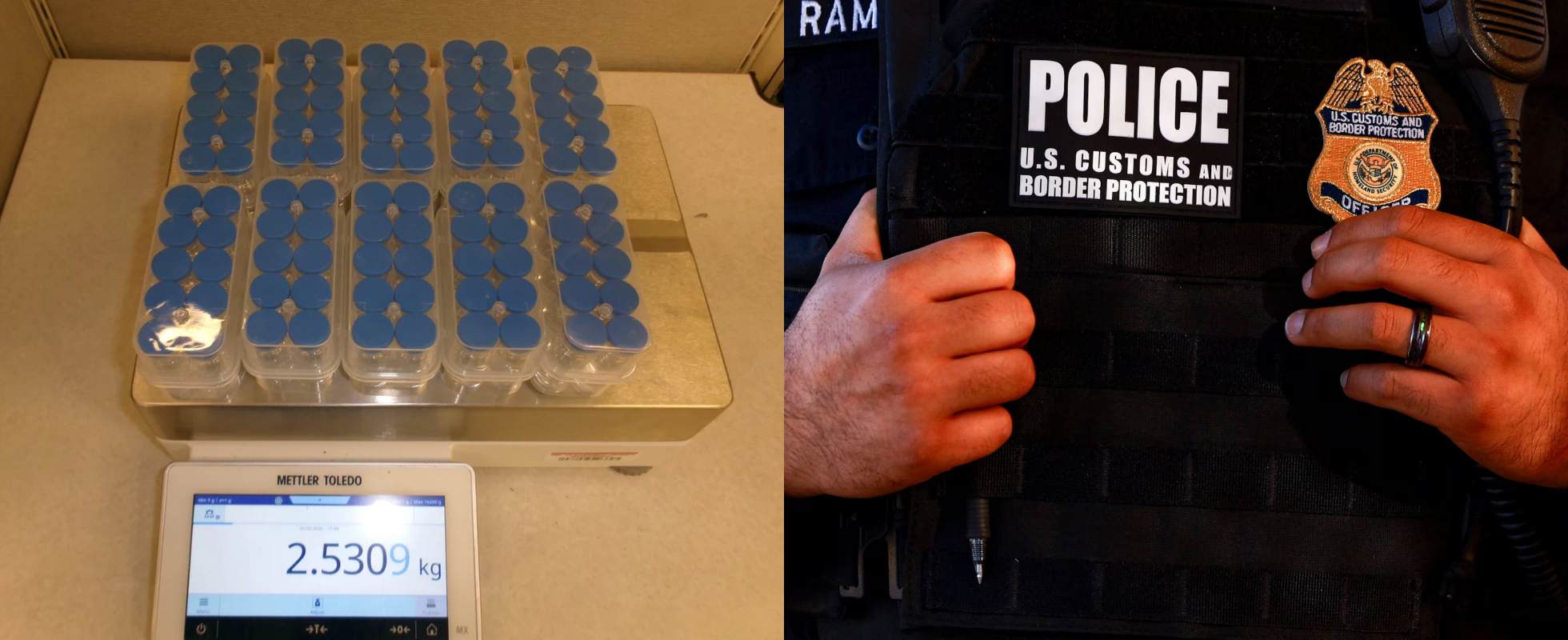
In March 2025, US Customs and Border Protection agents in Chicago intercepted 450 pounds of growth hormone and peptide shipments smuggled in from China across 350 separate packages.
According to sources, the estimated haul was over $3.2 million in value, though some observers questioned whether the actual value was significantly lower.
Critics pointed out that a portion of the seized weight may have consisted of bacteriostatic water used as a carrier solution, which could inflate the total poundage without representing an equivalent amount of active peptides.
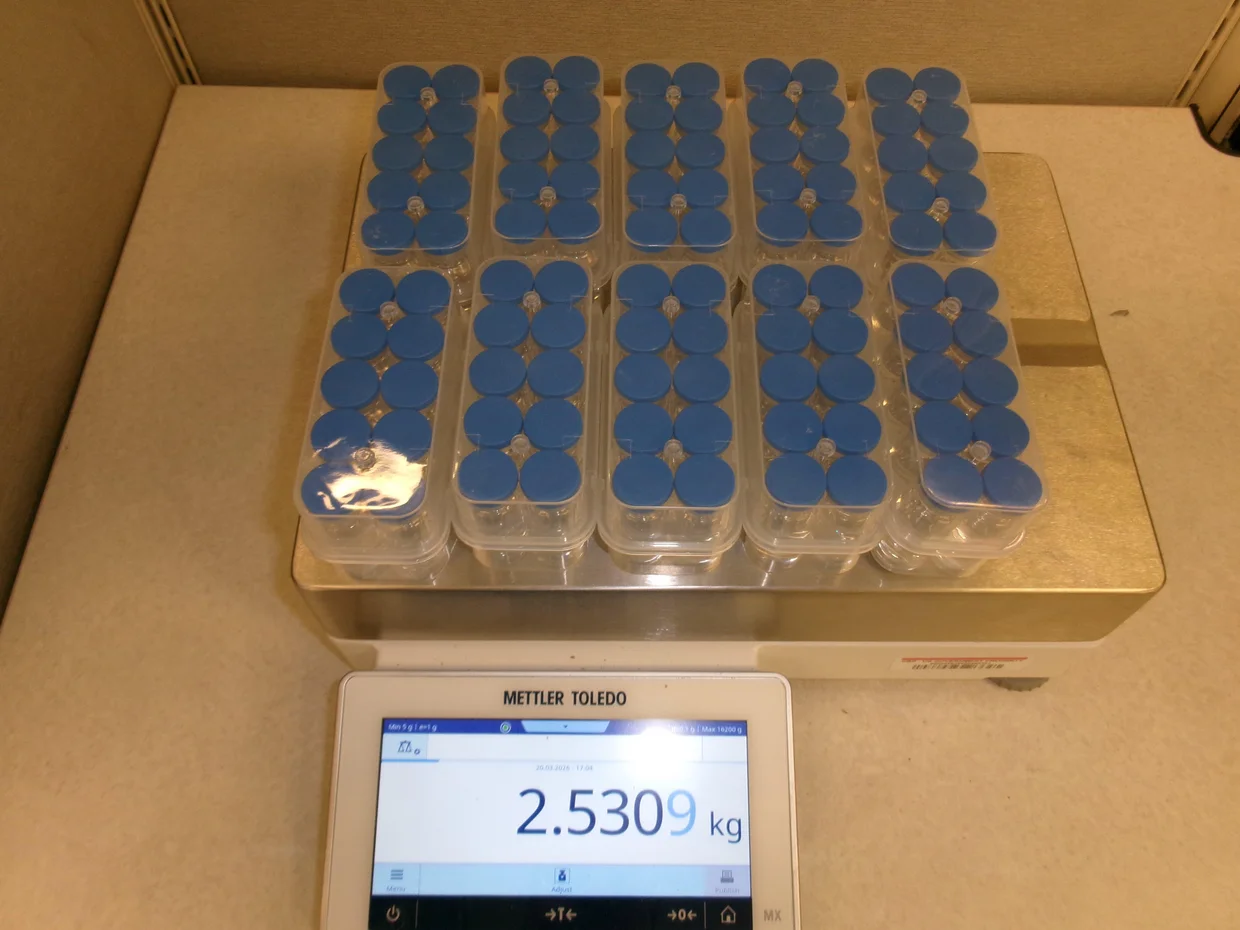
Customs and Border Protection stated publicly that “the ingredients are unverified and may not have appropriate regulatory certification required for sale in the US.” Analysts interpreted that language as an indication that many seizures are tied to unlabeled or improperly documented peptides rather than confirmed findings that they are inherently dangerous or illegal.
Previous online discussions surrounding peptide seizures have also fueled skepticism. In some cases, social media users claimed that products displayed in seizure photos appeared to be vitamin B12 or bacteriostatic water rather than peptides, leading to criticism and mockery online.
Beyond the seizure itself, concerns continue to grow around the gray market peptide supply chain. The global peptide market now exceeds $50 billion annually, with a significant portion of supply originating from Chinese manufacturers. Orders are often arranged through Telegram, Discord, and WhatsApp groups, with payments made through cryptocurrency before products are shipped directly to buyers.
One of the biggest concerns involves product testing standards. Many gray market vendors provide Certificates of Analysis showing purity results from HPLC testing, or high-performance liquid chromatography. While HPLC can measure the percentage of an element within a sample, it cannot definitively confirm the element’s identity.
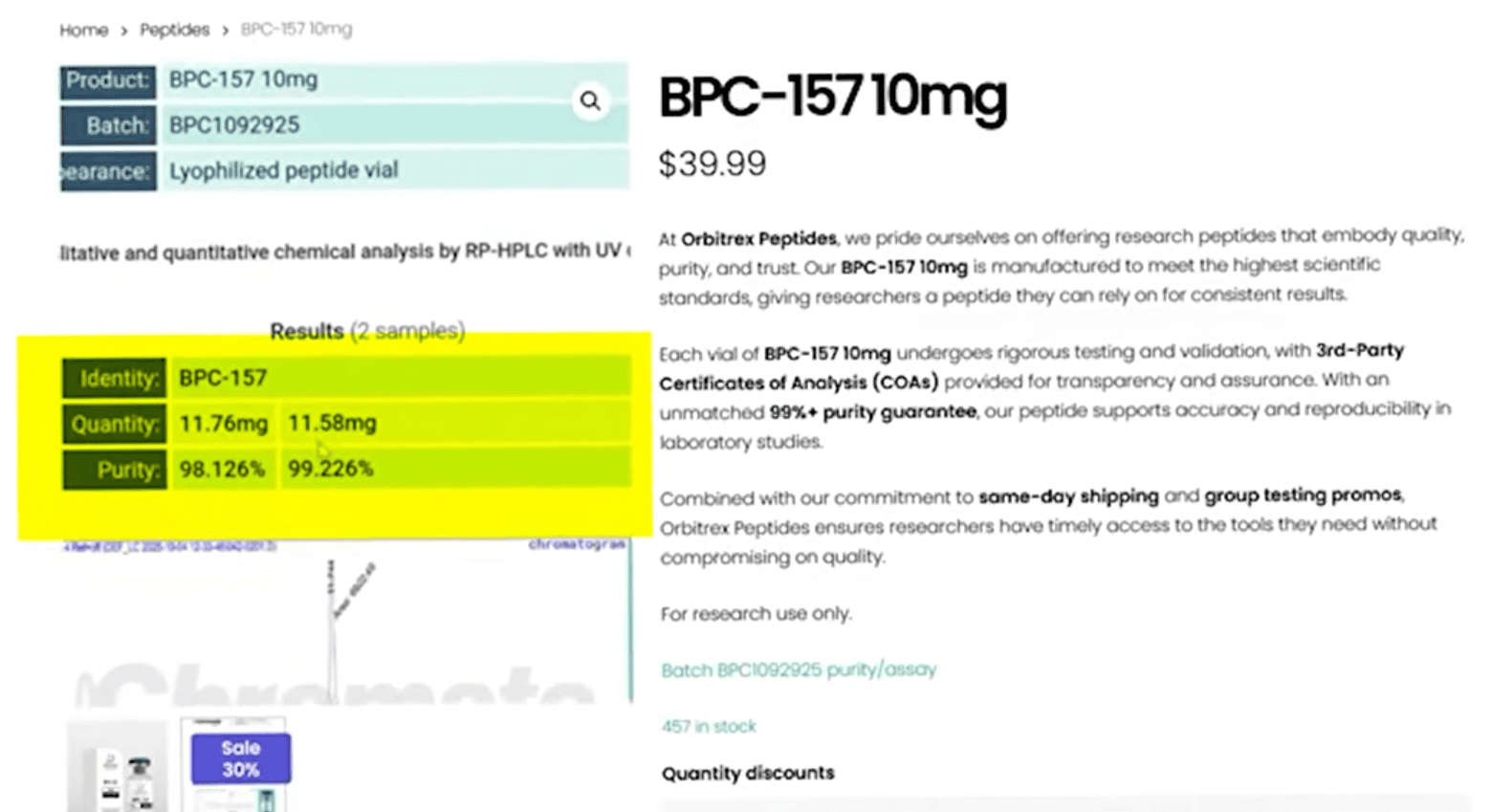
That requires LCMS testing, liquid chromatography mass spectrometry, which analyzes molecular mass to verify whether the substance matches the intended peptide.
Experts warn that synthesis errors in complex peptides can create structurally different elements that may behave unpredictably in the body and potentially affect immune function, metabolism, or other biological systems.
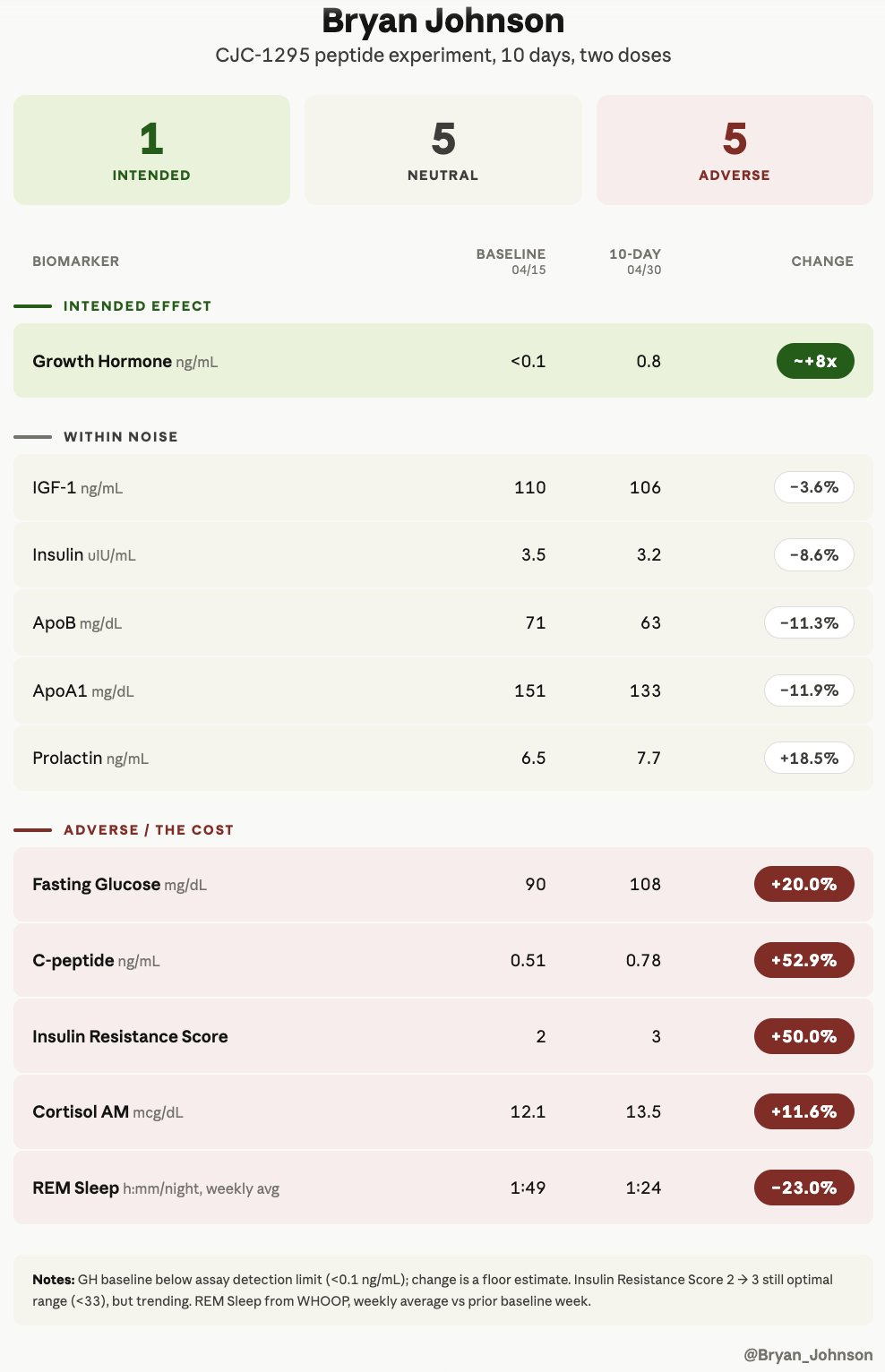
The discussion around peptide safety intensified further after biohacker Bryan Johnson documented the effects of the peptide CJC1295 on his own biomarkers. After two doses, Johnson reported a 20% increase in fasted blood glucose, a 12% rise in cortisol, a 23% drop in REM sleep, a 50% increase in insulin resistance, and increased pancreatic strain alongside rising blood pressure.
While peptides continue to attract interest for their potential performance and anti-aging benefits, critics argue that limited regulation, inconsistent testing standards, and opaque international supply chains create substantial risks for consumers who may not fully understand what they are purchasing or putting into their bodies.