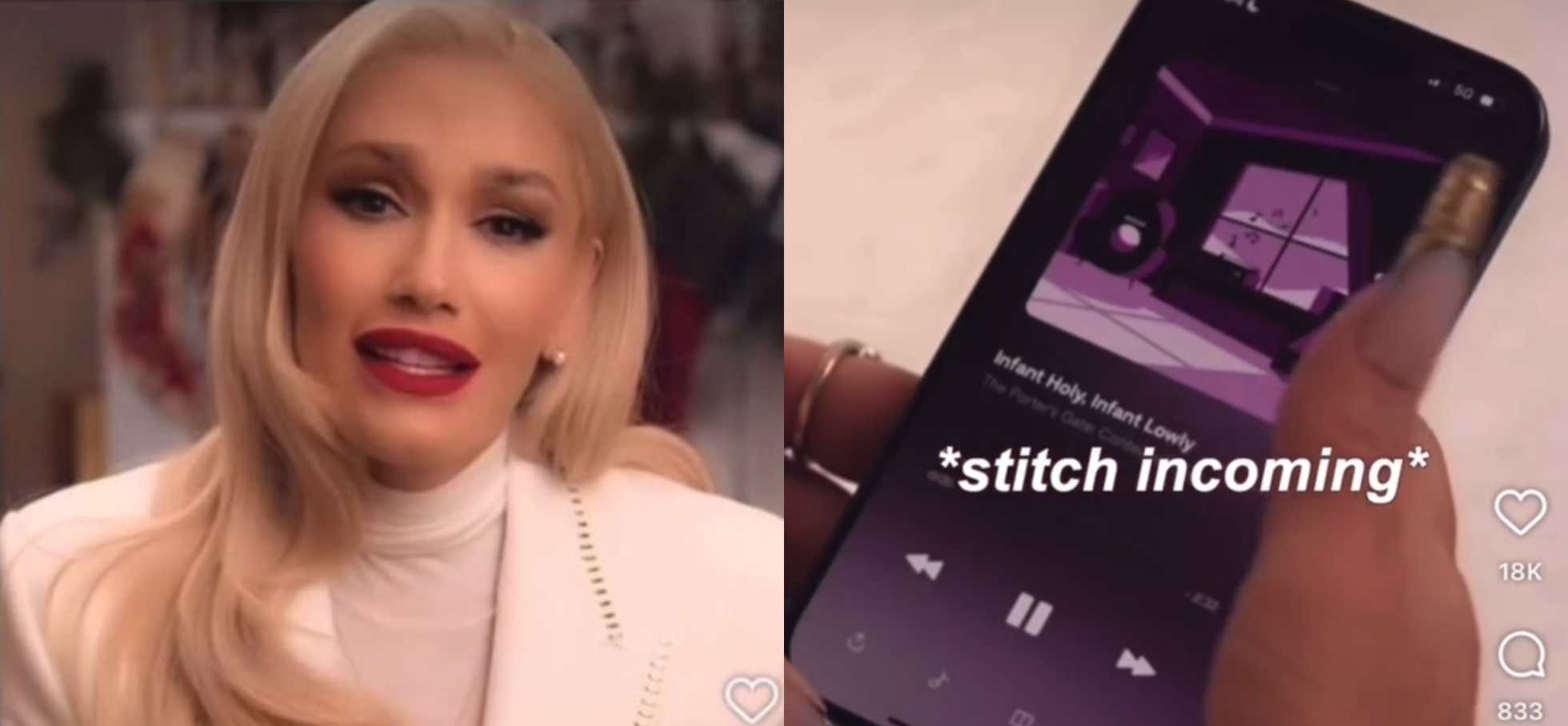
Pop icon Gwen Stefani is facing mounting criticism for her promotional partnership with Hallow, a subscription-based prayer application that has drawn scrutiny for its controversial funding sources and anti pro-life content.
The app, which charges users $70 annually for access to guided prayers and religious content, has secured significant financial backing from prominent conservative figures including Vice President JD Vance and billionaire tech investor Peter Thiel.
Both investors have made public statements that critics describe as hostile to women’s rights, with Thiel having previously expressed views opposing women’s suffrage and Vance making controversial remarks about unmarried women.
The controversy intensified when users discovered the app features multiple prayers specifically opposing pro-choice access, including content in cases of r**e and i**est. One prayer script on the platform begins: “Jesus we pray for every woman who is considering an ab**tion and in a special way for those who are pregnant from acts of r*pe or i**est may every woman know the goodness gift and beauty of her own life and so be able to receive the gift of her child’s life.”
Several of these prayers are narrated by Lila Rose, the founder of Live Action, an organization dedicated to ending ab**tion access. Rose has also faced criticism for her organization’s past statements regarding conversion therapy.
Social media commentary has questioned why Stefani, who has enjoyed decades of mainstream pop success, would align herself with what critics characterize as extremist viewpoints on reproductive rights. The singer appeared in promotional content for the app during the holiday season, describing it as a resource for finding peace and connection with faith.
Critics argue that the partnership represents an attempt to normalize deeply unpopular positions on pro-life by associating them with a beloved celebrity figure. The strategy, they suggest, uses Stefani’s cultural cachet to make extreme viewpoints appear more acceptable to mainstream audiences.