
Free to use under the Unsplash License
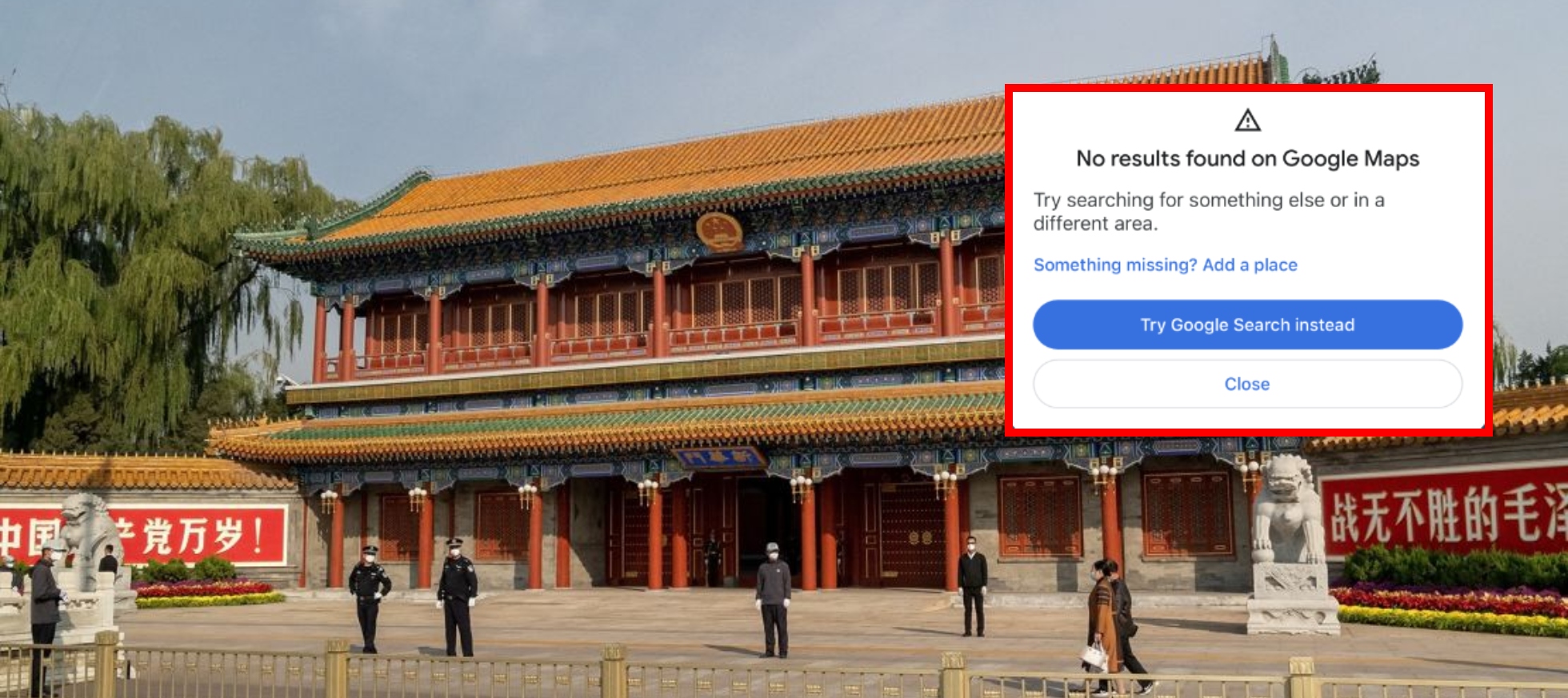
A weird development has emerged from China as the country’s premier government compound, Zhongnanhai, has vanished from major Chinese mapping applications.
Users of Baidu Maps and other popular navigation services now find that searches for the location return “location not found” errors or redirect to Changping, a suburban district approximately 21 kilometers away from the actual site.
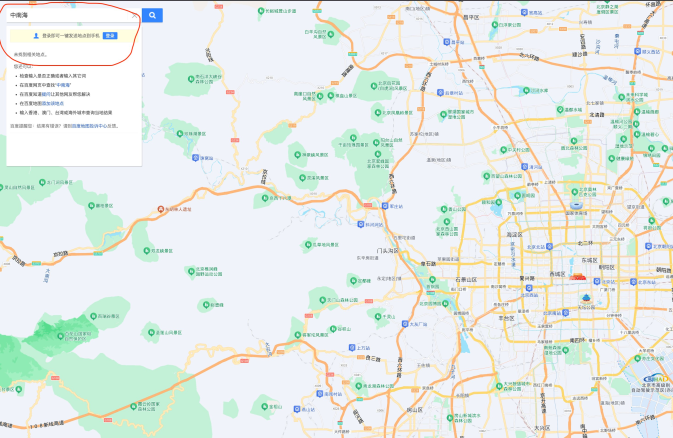
The sudden removal follows the United States military operation in Venezuela that resulted in the capture of President Nicolas Maduro and his wife in early 2025. This dramatic international event appears to have triggered an unprecedented security response from Chinese leadership, with Xi Jinping reportedly implementing sweeping measures to obscure the compound’s digital footprint.
Chinese social media users quickly noted the absurdity of the move. One user named Jennifer Zeng posted on X: “After checking it myself, I found it’s true. After the US captured Maduro, Zhongnanhai disappeared from the map.” She added sarcastically: “What I find funny is this. If one day the US military really rushed into Beijing to capture Xi Jinping, do you think they would use Baidu or Google Maps for navigation?”
🙀Oh my God! I didn’t dare believe it at first. After checking it myself, I found it’s actually true!
🔥After the United States captured Maduro, the CCP government and the location of Xi Jinping’s residence, “Zhongnanhai (中南海)”, disappeared from the maps!
❗️I personally… https://t.co/hsoDv1nWWt pic.twitter.com/n48BzGGq5H
— Inconvenient Truths — Jennifer Zeng Reports (@jenniferzeng97) January 8, 2026
The digital erasure extends beyond simple search results. Satellite labels have been hidden, and the location cannot be found through any navigation search within China’s domestic platforms. Security measures around Beijing have intensified dramatically, with comprehensive drone restrictions now in place. One Chinese blogger reported being stopped by police on a Beijing street and questioned about drone ownership after a routine ID check revealed he possessed one.
The incident has sparked widespread mockery online, with many viewing it as a self-deceptive security measure that reveals more about leadership anxieties than it addresses genuine threats. Malaysian singer Fish Leong’s song “Sadly It Wasn’t You” went viral as Chinese citizens shared it with obvious satirical intent, leading to its swift ban and Leong shutting down her Weibo account on January 8th.
Security analyst Bill Gertz, a veteran national security journalist widely considered a Pentagon mouthpiece, recently posted a message on X suggesting that if China were to strike Taiwan, a Soleimani-style operation could be conducted in Beijing targeting Politburo Standing Committee members, including Xi Jinping himself. Gertz writes the “Inside the Ring” column at the Washington Times and is known for conveying messages US officials prefer not to state officially.
Former US Department of Defense official and retired Air Force Lieutenant Colonel Tony Hu explained on a Taiwanese political talk show that Gertz naming Xi Jinping directly “very likely means someone wanted him to say it.” Hu emphasized that while the US treats such operations with extreme caution, their success rate is very high when executed.
The combination of external threats and internal pressures has created an atmosphere of heightened alert in Beijing. Airspace controls have been tightened, with reports indicating some drones are locked immediately after takeoff. From an international perspective, this level of security typically appears only before conflict or serious systemic risks.
Shanghai-based entrepreneur Julie Ren posted on X: “Today there’s news circulating in Beijing that Xi Jinping has begun further strengthening his personal security team. Military bases around Beijing are showing frequent troop movements today, and it’s likely that many underground bunker systems around Beijing have also been activated.”
The disappearance of Zhongnanhai from digital maps represents one of the most surreal developments of early 2025.


