
Free to use under the Unsplash License
As winter descends on Russia, Chinese automobiles are facing severe performance issues in extreme cold, with consumers raising alarming safety concerns. Russian media reports indicate that these vehicles, which now dominate the domestic market, are experiencing dangerous malfunctions that have led to them being labeled as mobile coffins by frustrated owners.
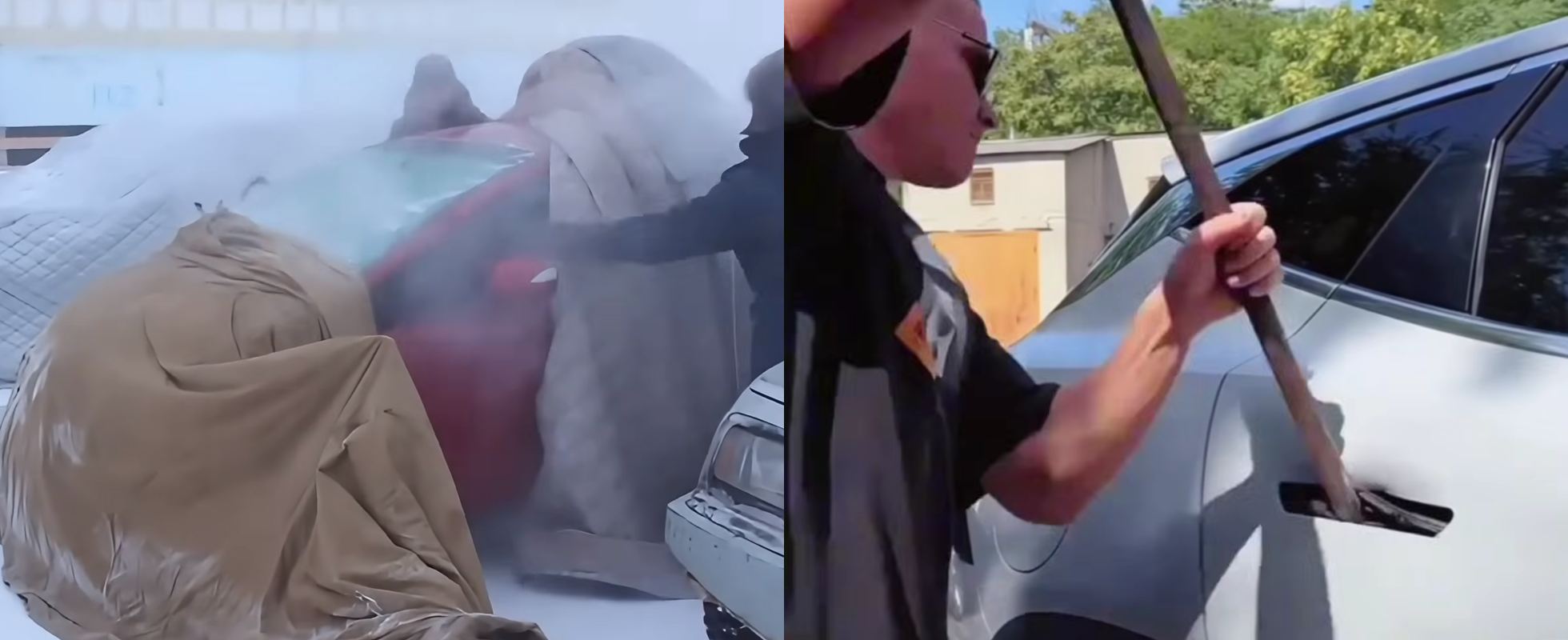
Russian consumers are reporting critical problems with door locks on Chinese vehicles during freezing temperatures. Owners of the Chery Tiggo 4 have experienced situations where car doors lock suddenly, trapping drivers inside.
When windows freeze closed simultaneously, occupants have no means of escape, creating potentially life-threatening scenarios. The driver’s side door appears most susceptible to jamming, and while it can occasionally be opened through the window, this solution becomes impractical in winter when window regulators frequently malfunction in the cold.
The root cause stems from condensation entering the door lock motor. When this moisture freezes, handles stop functioning and manual locking buttons may detach due to temperature extremes.
Geely Monjaro owners report similar experiences, with rear door cables freezing and passenger side handles becoming loose and inoperable. Owners of the second-generation Haval Jolion and H6 crossovers face central locking failures and persistent issues with securing or opening doors in cold conditions.
Mechanical problems extend beyond door systems. A Changan CS55 owner reported unusual transmission noises after driving in snow, while a Haval F7 owner heard similar sounds when starting the vehicle at temperatures below negative 32 degrees. Chery Tiggo 7 and Tiggo 8 crossover owners have noted that automatic retractable door steps often freeze in snowy weather.
Additional complications arise when towing stranded vehicles, with front bumper reinforcements tearing off and causing extensive damage. Another widespread issue involves condensation freezing inside mufflers, preventing engine startup.
Owners have identified design flaws in exhaust systems, particularly poor pipe bend angles, most noticeable in the Chery Tiggo 5. Some Russian drivers have resorted to drilling small drainage holes in resonators to release accumulated water.
Automotive expert Vitaly Kabanov described the situation bluntly to media outlets, stating that Russia’s winters make Chinese cars a potential death trap. He explained, “These Chinese cars are difficult to start remotely and can’t handle snow or off-road conditions. Also, with their CVT gearboxes, vehicle performance is generally poor.” Kabanov noted that Chinese vehicles perform considerably worse than Korean, Japanese, and German alternatives in winter conditions, adding that owners must replace important components every three years while facing frequent transmission failures.
Russia represents one of China’s most important automotive export markets, consistently ranking first in shipment volumes. However, international restrictions following the Ukraine conflict have left Russian consumers with limited options, essentially forcing them toward Chinese brands. A popular Russian automotive influencer with 1.9 million followers previously criticized Chinese manufacturers, saying, “Their job was to sell you the product right here, right now without thinking about tomorrow.”
With Russia holding a 64 percent market share for Chinese vehicles, consumer complaints are mounting, and both Central Asian nations and Russia have begun implementing taxes and certification requirements to restrict Chinese automobile imports.


