
Sulaiman Khan Ghori, a software engineer at xAI, announced his departure from the company on January 19, 2026, via social media. The announcement came shortly after details emerged about the artificial intelligence startup’s ambitious and controversial plans to deploy human emulation technology using computing power leased from Tesla vehicles.
During his tenure at xAI, Ghori worked on multiple projects including the company’s Macro hard initiative, which aims to create digital replicas of human workers capable of performing any task a person can do on a computer. The technology would allow AI systems to operate using standard keyboard and mouse inputs while viewing screens, requiring no special software integration.
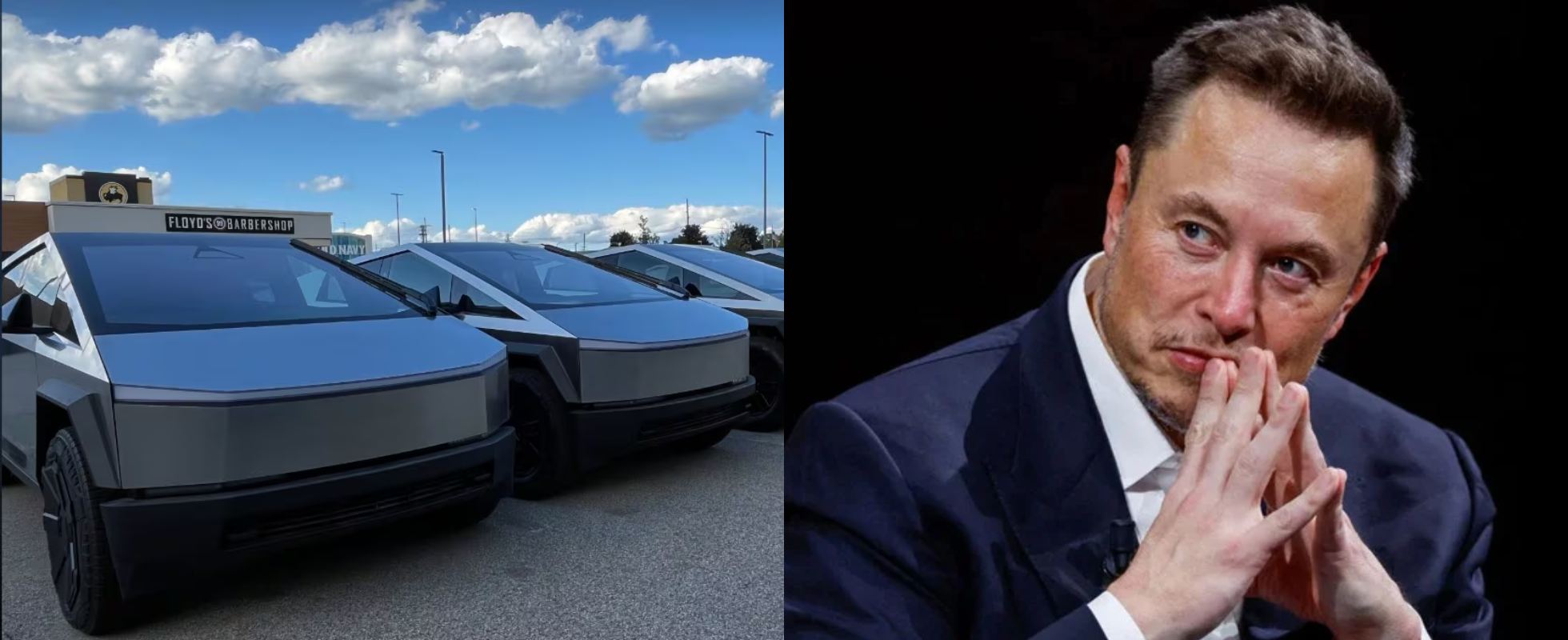
The controversy centers on xAI’s proposed deployment strategy. According to information shared in recent discussions, the company explored leasing computing capacity from Tesla vehicles when parked and charging. With approximately 4 million Tesla cars in North America and many equipped with Hardware 4 computers, xAI calculated that a significant portion of this fleet sits idle 70-80% of the time.
The proposal would have allowed xAI to pay Tesla owners to run human emulator instances on their vehicle computers during charging periods. This approach would provide networking, cooling, and power infrastructure without requiring new data center construction. Company leadership viewed the Tesla computer as more capital efficient than traditional cloud services or dedicated hardware purchases.
Ghori described the technology’s potential scale during technical discussions. “If we want to deploy 1 million human emulators, we need 1 million computers,” he explained. The Tesla vehicle network appeared to offer a ready solution to this deployment challenge.
The human emulation project represents a digital equivalent to Tesla’s Optimus robot program. While Optimus targets physical labor automation, the xAI initiative focuses on digital work performed by humans at computers. The system would operate at speeds significantly faster than human workers, potentially eight times quicker in some applications.
xAI maintained an intense work culture during development of these technologies. Engineering teams operated from a war room for extended periods, with some projects requiring round-the-clock effort. The company emphasized rapid iteration and minimal bureaucracy, allowing individual engineers to own substantial portions of the technical infrastructure.
The startup, founded in 2023, grew rapidly under Elon Musk’s leadership. It constructed the Colossus data center in 122 days and maintained a lean engineering staff of approximately 100 people during Ghori’s early tenure. The company culture emphasized direct problem solving and eliminating artificial constraints on development speed.
Ghori’s departure comes as xAI continues scaling its operations and exploring novel deployment architectures for AI systems. The company has not publicly detailed specific rollout plans for the human emulator technology or confirmed the Tesla vehicle computing proposal.
In his departure announcement, Ghori expressed appreciation for his former colleagues while providing no specific reason for leaving the company. The timing of his exit, coinciding with public discussion of the controversial Tesla computing lease concept, raises questions about internal alignment on deployment strategies.
xAI has not issued an official statement regarding Ghori’s departure or the status of the Tesla vehicle computing initiative.