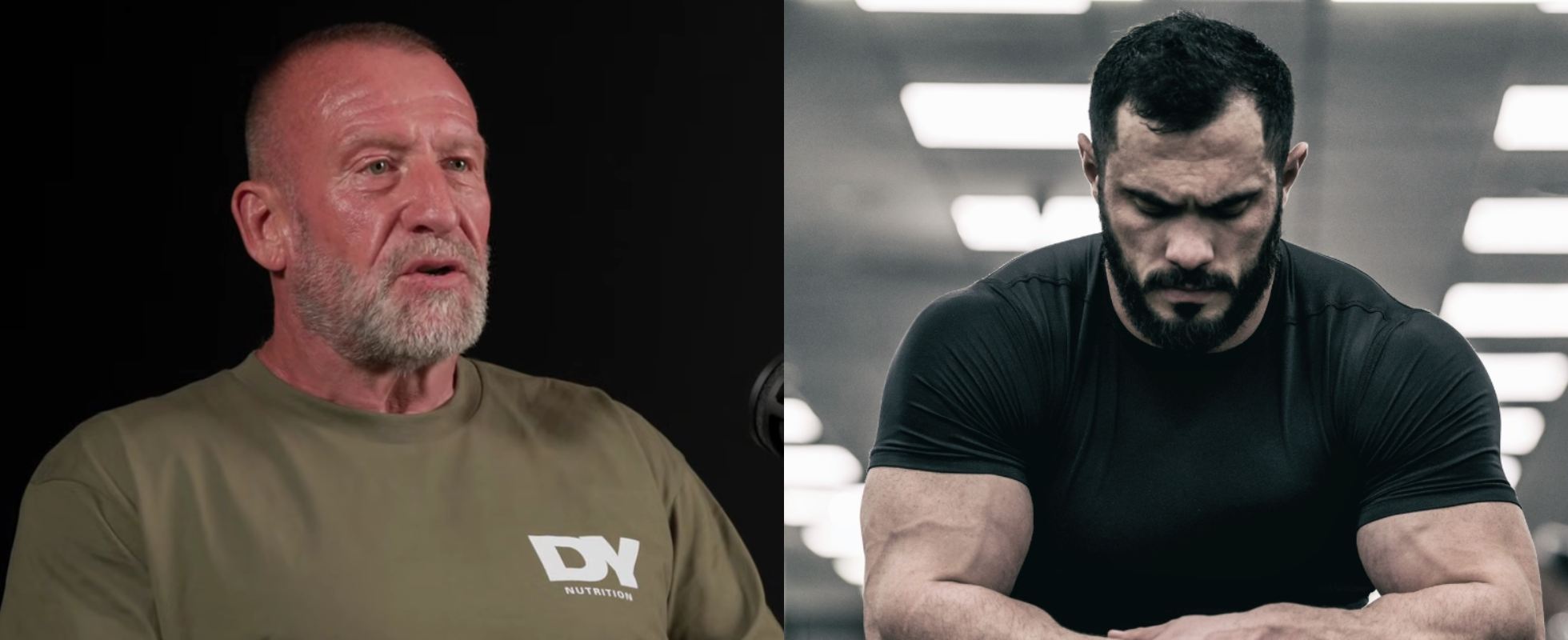
Legendary six-time Mr. Olympia Dorian Yates recently shared his candid observations about the current state of competitive bodybuilding during an appearance on the Huberman Lab podcast. While the sport has evolved significantly since his retirement in 1997, Yates expressed serious concerns about the mental health crisis now affecting athletes, particularly women competitors.
When discussing modern bodybuilding, Yates addressed the increased accessibility of PEDs and the pressures facing today’s athletes. His most striking comment centered on the psychological toll the sport now takes: “I believe there’s a lot of people in the sport with mental health problems, especially women now, because they’re in the high doses now, where before they really weren’t.”
During Yates’ era, female competitors generally used minimal amounts of anabolic su**tances. Today’s landscape has changed dramatically, with women using dosages that approach or match those historically taken by male competitors. Yates attributes much of the mental health crisis to this pharmacological escalation combined with modern pressures.
“We’re in this age of instant gratification. Everybody wants everything now,” Yates explained. He drew parallels between cosmetic enhancements and performance su**tances: “I see it a bit like this, maybe from the guy’s point of view. Women are having breast implants, right? They’re having lip fillers and Botox and all this stuff. So, why can’t we take some anabolics just to look good and have abs on the beach?”
However, Yates was clear about the consequences of this thinking. When asked about his advice for young people considering PEDs, he emphasized the temporary nature of gains and the psychological dependency that develops.
He stated, “Whatever gains you make by taking anabolics is a temporary situation. You will lose it when you get off. So, it’s a merry-go-round. Once you get on the merry-go-round, you don’t really want to get off because when you do get off, you start to lose all those gains. You start to feel mentally depressed because now your hormones are on the floor.”
The psychological impact extends beyond hormonal fluctuations. Yates himself experienced depression after retiring from competition. He talked about the transition: “It’s very difficult to find a picture of me smiling because I was so intense in this tunnel and at the end of it, there was no joy in it. Like the last year 97, I remember getting ready for the contest. I’m like, ‘Wow, this feels like Groundhog Day. I’ve done this process so many times.’ It started to feel like a job.”
After retirement, Yates struggled with identity and purpose: “Who am I now? What am I going to do with life? What am I supposed to do? I was only 35, you know, and I’ve retired.” He noted that this psychological challenge affects many athletes: “It took me time to change the mindset from, oh, look what I’ve lost and I don’t know who I am anymore because I was the king and now I’m not.”
Yates also addressed the business pressures that exacerbate mental health issues in modern bodybuilding. Unlike his era, when success required winning major competitions, today’s fitness industry offers multiple revenue streams through social media and online coaching. While this provides more opportunities, it also creates constant pressure to maintain a certain appearance and engage with audiences.
“There’s a lot of people that want to smoke with me,” Yates joked when discussing the pressures of fame. “My wife says when they’re like she’s like don’t do it.” This constant demand for access and attention represents another source of stress that wasn’t present during his competitive years.
Regarding the physical toll, Yates acknowledged the risks he took during his career but emphasized that he made informed decisions: “I feel it was justified because I was earning a lot of money, more money than anyone else I knew ever earned.” However, he was frank about the potential consequences: “It could have been different. A lot of guys that I used to compete against are d*ad.”
For current athletes, Yates stressed the importance of understanding what they’re risking: “Ask yourself if it’s worth it because this is a reality. You can’t keep those gains. So, you’re probably going to be forced to continually do this over a long period of time and that might be bad for your health.”
Despite these concerns, Yates remains optimistic about helping others navigate the sport more safely. He now focuses on teaching proper training methods and life balance through his certification camps: “I think I’m going to change the name of this thing to the DY experience because the training is part of it, but it almost becomes something else by the end of the week.”
His current perspective emphasizes sustainable health over temporary gains: “I don’t have any pain, joint pains. I feel like now I’m the most balanced and most peaceful that I’ve been. I know my place and try to enjoy every day and spread love.”
Yates concluded with advice for anyone considering competitive bodybuilding: Get as far as you can naturally, understand the real costs of performance enhancement, and recognize that the psychological challenges may be even greater than the physical ones.