
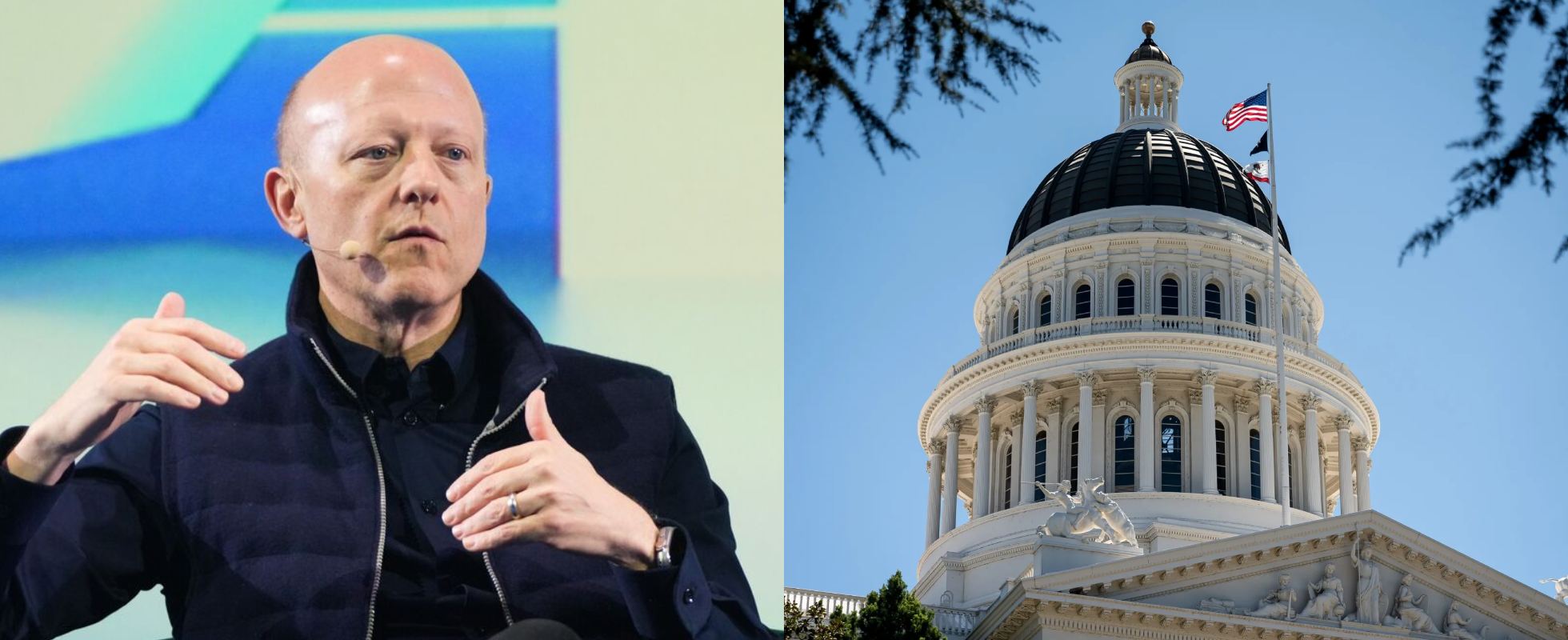
In a conversation on the All-In Podcast, Circle CEO Jeremy Allaire didn’t mince words when asked about California’s controversial wealth tax proposal.
During the conversation, the host and CEO talked about California’s decision to require billionaires to audit and declare the value of all their possessions, from artwork to jewelry, before seizing a percentage as a one-time wealth tax. The policy has already triggered an exodus, with the state losing 200 billionaires and approximately one trillion dollars in wealth.
“There’s a movement towards socialism in New York City, my hometown,” noted the interviewer. “It’s kind of heartbreaking for me to watch.”
Allaire, who recently moved Circle’s headquarters to New York City’s Freedom Tower, acknowledged the irony. “I just moved to New York City,” he said dryly. “Just in time.”
The California situation represents more than just a tax policy debate. It symbolizes a fundamental misunderstanding of what drives innovation and economic growth. While proponents argue wealth taxes promote fairness, the immediate capital flight demonstrates the policy’s self-defeating nature. Billionaires possess mobility that tax collectors cannot match.
Allaire’s perspective carries particular weight given his company’s success navigating complex regulatory landscapes. Circle, which issues USDC stablecoin, chose the difficult path of compliance and regulation rather than operating offshore like many competitors. This decision required patience, capital, and faith that American institutions would eventually embrace innovation.
Allaire explained: “We just took that path, and it was a harder path. It took more capital. It took more time. My first executive hire was a general counsel and chief compliance officer.”
He also emphasized that real innovation can’t exist in opposition to the system it hopes to serve. “If you want to actually build a new internet native financial system that the whole world uses… you have to integrate with the existing system and work with policy makers to figure that out,” Allaire explained, describing his testimony before the Senate in 2013.
The contrast between administrations became stark during the conversation. Allaire noted the dramatic shift in government engagement between the previous and current political leadership. Where one administration seemed reluctant to meet with innovators, the new approach emphasizes collaboration and economic growth.
“I found over the years that if you go to a policy maker and say, ‘There’s this new technology, there are real risks, let’s talk about how to address them,’ people are actually pretty interested in having that conversation,” Allaire said.
The California exodus serves as a cautionary tale. When productive citizens and capital flee, the tax base shrinks, services deteriorate, and the remaining population shoulders increasing burdens. The spiral becomes self-reinforcing.
Yet Allaire’s concerns extend beyond tax policy to the fundamental economic transformation ahead. He referenced conversations with Anthropic CEO Dario Amodei about AI’s potential to accelerate GDP growth while concentrating wealth among capital owners. This scenario, where labor becomes less necessary for capital accumulation, presents challenges capitalism hasn’t faced since the Industrial Revolution.
“That is just going to challenge us in ways that we haven’t dealt with in a long time,” Allaire said, suggesting current political responses like wealth seizures represent crude attempts to address genuine concerns about economic disruption.
The solution, he suggested, isn’t punitive taxation but expanded ownership. Making every American a stakeholder in technological advancement through equity ownership could align incentives and distribute prosperity. This approach mirrors the stock option culture that transformed Silicon Valley.
California’s wealth tax represents the opposite philosophy: rather than expanding the pie, it attempts redistribution through confiscation. The policy assumes static wealth and mobile infrastructure, when the reverse proves true. Wealth relocates easily; the infrastructure to create new wealth takes generations to build.
For fintech leaders like Allaire, who spent years building relationships with regulators and proving new technologies could operate safely within existing frameworks, watching jurisdictions turn hostile toward success represents more than bad policy. It threatens the collaborative ecosystem that makes American innovation possible.