
Free to use under the Unsplash License
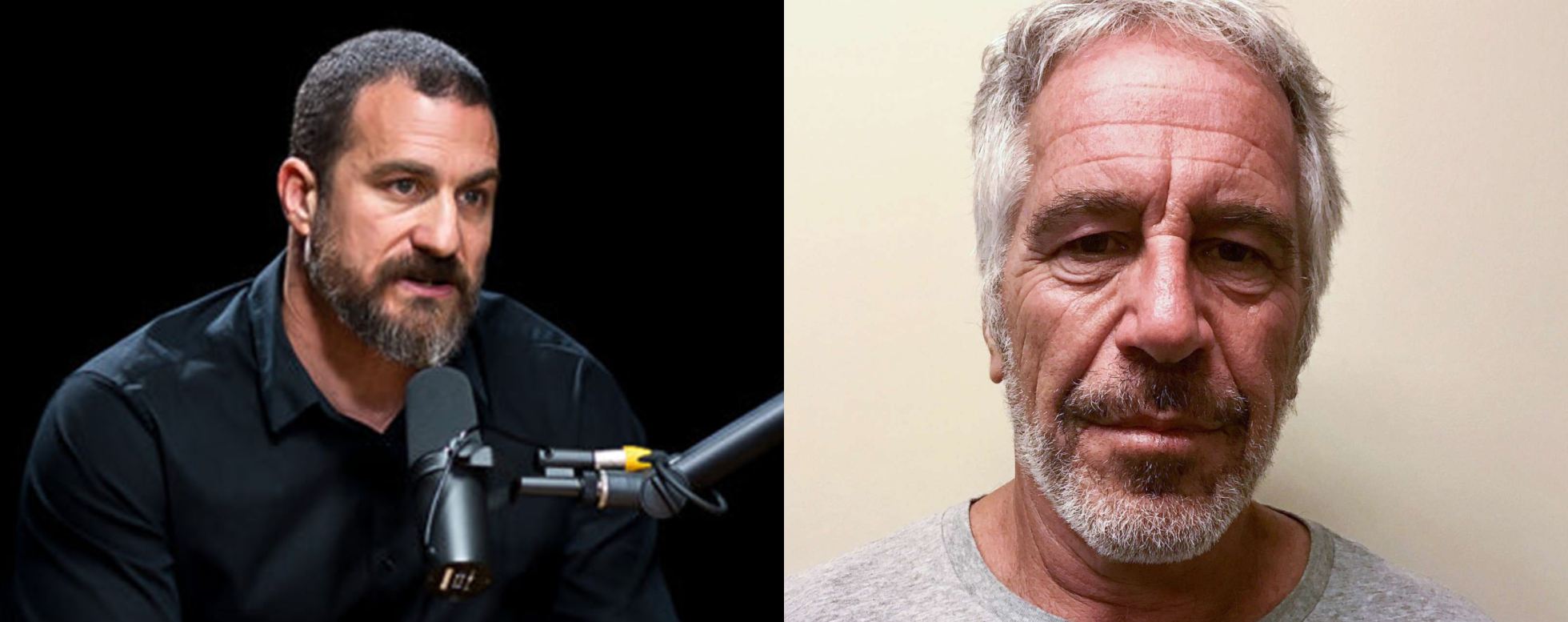
In a previous episode of the Joe Rogan Experience, neuroscientist Andrew Huberman addressed the controversial topic of why respected academics and scientists spent time with Jeffrey Epstein.
“Scientists will show up to dinners that normally they’d rather be in their Labs or writing grants or with their families frankly if there’s the possibility of money being given to their laboratory because then they can hire more people and do more science,” Huberman explained.
He emphasized that while money alone doesn’t drive good science, having more funding provides a bigger margin of error and the ability to hire additional researchers.
Huberman explained: “So if Epstein offered Laboratories, you know, a million dollars a year for four years, to a guy of that wealth, it’s trivial. To a laboratory, that is four National Institutes of Health Grants per year. And the workload to maintain those four grants is immense. So they’d show up with the possibility of getting money, that’s where they were hanging out with a dirtbag like him.”
According to Huberman, that financial incentive may have led some scientists to ignore or avoid confronting the reality of who Epstein was.
Huberman stated: “And they had blinders on. Either they knew, or they didn’t know what he was up to. But they had blinders on because they weren’t thinking about the implications.”
Huberman made it clear he never met Epstein but knew people who did. He described how Epstein understood a fundamental truth about wealthy individuals: “Rich people have, they can get anything they want. Except the one thing they can’t easily control is their reputation. Because that requires other people’s perceptions and just being rich doesn’t make you necessarily respected.”
According to Huberman, Epstein was masterful at social engineering. By surrounding himself with brilliant scientists like Murray Gell-Mann, who discovered the quark, Epstein made wealthy people feel important and intellectually elevated.
“He understood like bring around the top genetic researchers from Harvard. By doing that, he made these rich people feel like they were in the company of interesting, important people.”
For scientists, the appeal was purely financial and professional.
The presence of other respected figures created a false sense of legitimacy. Rogan agreed and said, “If you go there and you see Steven Pinker and you see Lawrence Krauss and you see Bill Gates it seems like you should be there. It seems fine to be there.”
Huberman agreed, describing it as “Sinister, diabolical, narcissistic, and sociopathic, but brilliant social engineering.”
The issue has resurfaced again recently with renewed scrutiny around Dr. Peter Attia, after more than 8,000 pages of congressional documents were released. The files reportedly revealed extensive correspondence between Attia and Epstein, including around 1,700 emails over multiple years.
The controversy has led to major backlash online, with Attia reportedly losing a significant portion of his audience and facing professional consequences.
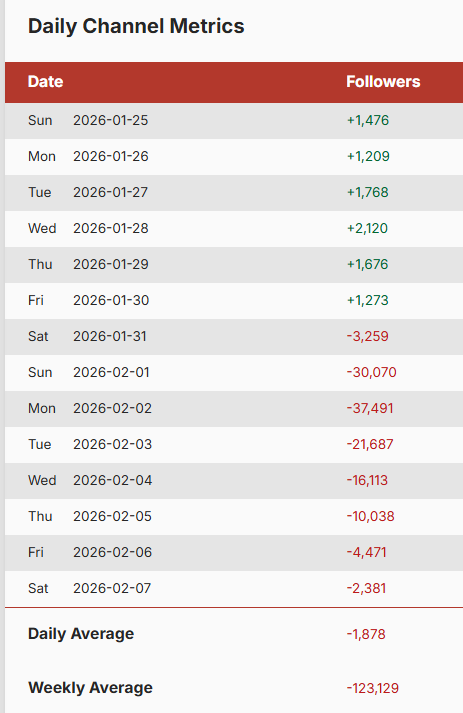
Additionally, he was recently removed from David Protein as the Chief Science Officer.
Critics argue that Rogan has also increasingly shifted into defending elite figures caught up in Epstein-related scrutiny. Some commentators claim the podcast host has become “compromised,” suggesting that his growing wealth and access to powerful circles may have changed his willingness to challenge them publicly.
Reports also indicate that several guests who have appeared on The Joe Rogan Experience have had some form of connection to Epstein. In some cases, these individuals were featured on the podcast even after Epstein’s illegal incidents had become widely known, yet Rogan did not directly question them or challenge them about their ties to him.


