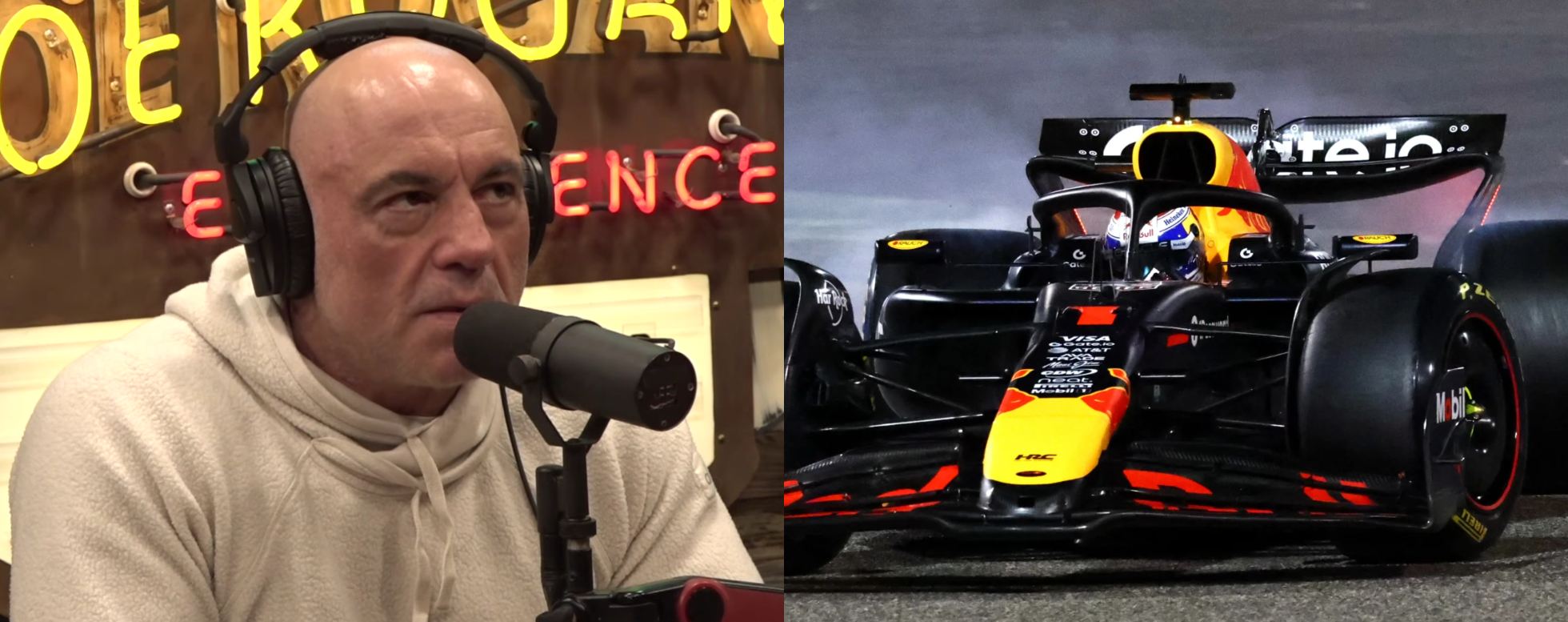
During a recent episode of The Joe Rogan Experience featuring guest Dr. Tommy Wood, the topic of peptides emerged. The discussion centered on performance optimization for Formula 1 drivers and the careful considerations required when dealing with elite athletes subject to drug testing protocols.
When Rogan asked about peptide use among Formula 1 drivers, Dr. Wood explained the regulations. “It’s a gray area in general. I don’t believe anybody does, and we certainly don’t recommend it for that reason because we just don’t know what’s in there,” Wood stated.
Rogan pressed further, asking if drivers are tested for peptides specifically: “Are they tested for peptides?”
Wood clarified: “So, they’re not tested for peptides.”
This prompted Rogan’s direct response: “Then take them.”
However, Wood maintained his cautious stance, explaining the professional constraints. “Well, depends on whether there’s actually a peptide that has good high quality evidence in humans.”
He continued: “The main thing that you’re worried about is contamination. Like, what else have they put in there, right, to make it get better?”
Wood also talked about the lack of proper studies on peptides. He said: “There aren’t many peptides where I would say, or actually I couldn’t think of any, where I’m like this will have a definite benefit based on high-quality studies in humans, right? Those studies just don’t exist.”
Rogan brought up BPC-157, noting studies showing it increases tissue recovery and helps healing. “There’s plenty of anecdotal evidence, especially with professional athletes, with BPC-157 and TB500 for tissue injuries, for recovering quicker,” Rogan said, clearly hoping for Wood’s agreement.
Wood acknowledged the claims but emphasized that personal stories aren’t enough in high-performance medical environments. “I know there’s anecdote. I know people say it benefits them,” Wood replied. “But in the environments that I operate in, that’s not enough.”
Rogan then pointed to studies he believed supported BPC-157’s effectiveness, arguing that research exists showing it improves healing. “But there are studies that show BPC-157 increases tissue recovery and helps you heal,” Rogan said.
Wood responded with a blunt reminder about the limits of the current science: “Not in humans.”
Wood also explained why he could not recommend peptides like BPC-157 without stronger safeguards in place. “I couldn’t recommend it unless I know it’s third-party tested, it’s legal, and there’s a high-quality trial in humans,” he stated. “All those things have to align.”