
Free to use under the Unsplash License
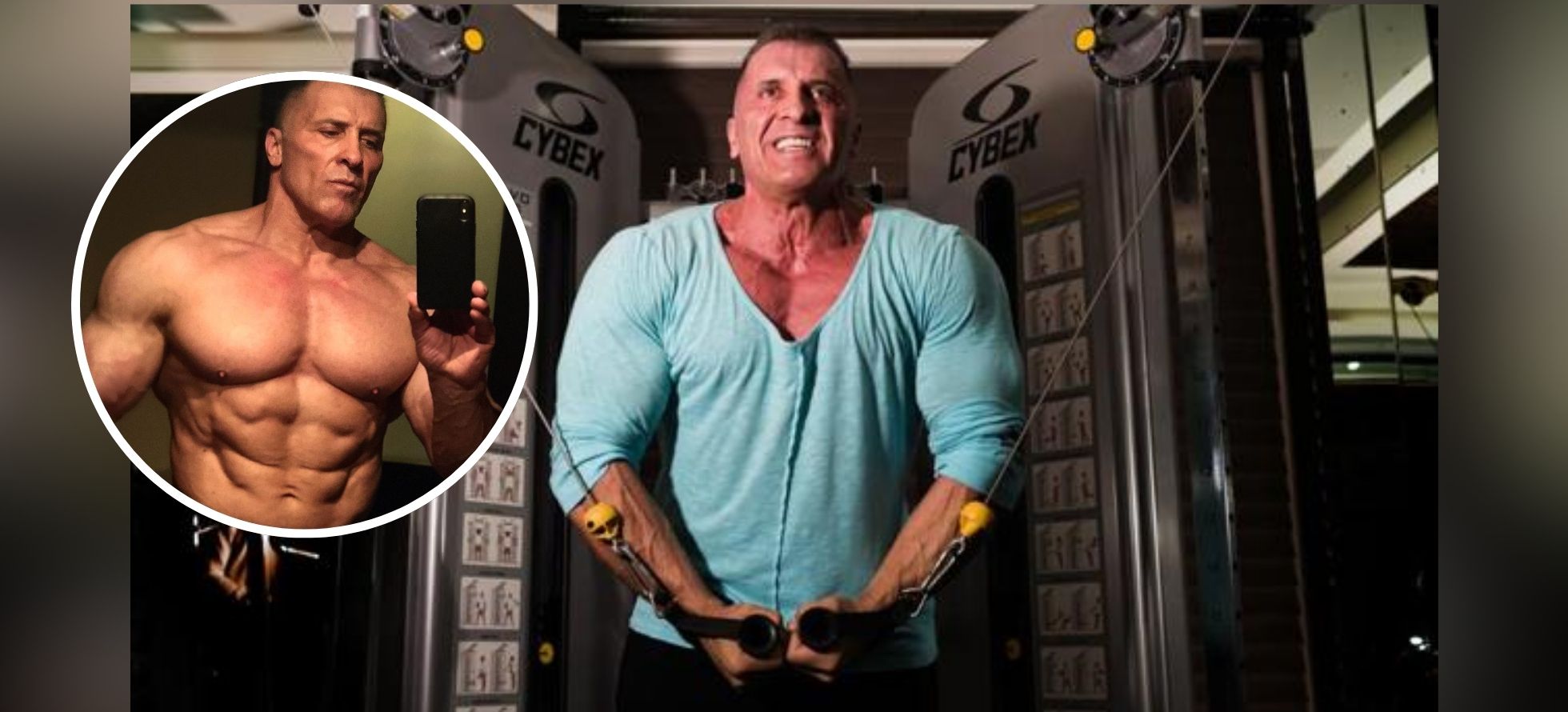
Legendary bodybuilder Milos Sarcev recently talked about the use of PEDs in professional bodybuilding. In a conversation on the Transparent podcast with Nyle Nayga, the former IFBB Pro competitor opened up about his experiences with synthol and other site enhancement oils.
Sarcev’s introduction to synthol came at the 1997 Olympia, when a fellow competitor shared 12 bottles with him. At the time, he was being told that slightly bigger arms could make him a legitimate contender for major titles.
“This is single-handedly something that ruined my career,” Sarcev stated bluntly. “If I didn’t use synthol, I could probably compete for another 15 years.”
The subs tance promised to bind to muscle fibers and enhance diameter, claims that Sarcev now dismisses as marketing fiction. But when his arms grew to 22.5 inches (57 cm) and his calves reached ridiculous proportions, the temporary visual gains seemed worth it at the time.
The reality, however, proved catastrophic. The injections created fibrotic and necrotic tissue that eventually led to muscle atrophy.
“When you have something decent and you try to enhance it, you sell your soul to the devil and he comes and claim it,” Sarcev explained. His muscle-mind connection and ability to achieve strong contractions vanished.
“Right now I can’t do anything I want to do for my arms. My arms are de*d,” he admitted, describing the permanent damage to the very physique he had worked years to build.
The near-fatal incident that cemented his stance against synthol occurred when preparing for a guest posing appearance with Joe Weider. After an improperly administered injection hit his bloodstream directly, Sarcev developed acute respiratory distress syndrome.
Paramedics doubted he would survive the ambulance ride, and doctors gave his family less than 24 hours to see him alive. The experience left him unable to breathe through anything larger than a pinhole and convinced him that no temporary aesthetic gain justifies such consequences.
When asked about claims that synthol can be used “the right way,” Sarcev’s response was unequivocal: “That’s like the people who say you can use DNP the right way.” He emphasized that there is no safe protocol for these.
While acknowledging that localized injections of actual anabolic roids like Winstrol or testosterone propionate can produce legitimate results, he draws a clear line between pharma stuff and site enhancement oils.
Sarcev revealed that many top competitors of the 1990s experimented with synthol, though most won’t publicly admit it. He recalled how competitors would inject various muscle groups, with some becoming so skilled they could hit their own trapezius muscles.
The practice became widespread enough that judges began expecting certain levels of development that were difficult to achieve naturally. This created a vicious cycle where competitors felt pressured to use these substances just to remain competitive.
The bodybuilding coach destroyed his remaining 50 bottles of synthol rather than risk someone else experiencing what he went through. His message to current and aspiring bodybuilders is clear: “Don’t ever think about it. I had like probably 50 bottles left that I didn’t use and I didn’t give anybody away. I smash them all and throw them in the trash because I would not want anybody to go through what I went through and look like what I look like.”
Sarcev also addressed the “disappearing lat syndrome” affecting some modern bodybuilders, speculating that excessive injections may be hitting nerves and preventing proper muscle fiber activation. He experienced this himself after a training partner injected his lats, noticing visible gaps where muscle fibers failed to engage during poses. The neurological damage from repeated injections in sensitive areas can permanently compromise muscle function.
At 62 years old, Sarcev maintains his physique on a conservative protocol of 250 milligrams of testosterone enanthate and 50 milligrams of DHEA weekly, along with various peptides for recovery and health. He emphasized that younger bodybuilders have access to far more information than his generation did, and should learn from the mistakes of those who came before them rather than repeating them.


