
Free to use under the Unsplash License
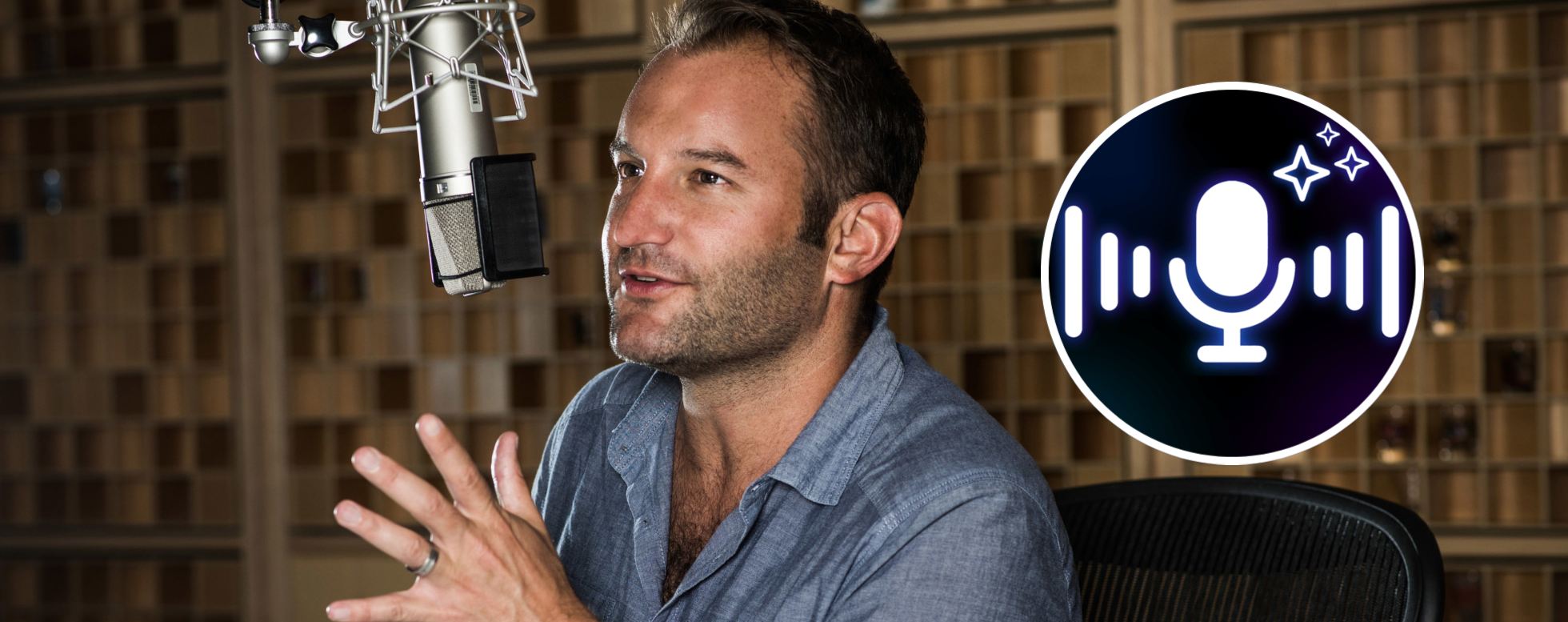
Former NPR host David Greene never expected to hear his own voice come back to him through a machine. When a colleague emailed asking if he had licensed his voice to Google, Greene’s response was immediate: “I was like completely freaked out.”
Sources state that Greene described the discovery as unsettling. “It’s this eerie moment where you feel like you’re listening to yourself. I looked up this tool, Notebook LM, and there it was. Two virtual co-hosts, one male, one female, engaging in light banter. And the male voice, it was me.”
The reaction from those closest to him confirmed what he already suspected. When he played the audio for his wife, her immediate surprise said everything.
Soon after, messages began flooding in from friends, relatives, and former colleagues, all asking the same uneasy question: was that really his voice coming from the AI tool?
For Greene, the violation felt deeply personal. “My voice is like the most important part of who I am. I spent years learning how to use it, how to make it conversational rather than broadcastery, and now Google just took it.”
Greene’s path to becoming a recognizable voice in American journalism began in childhood. “As a kid growing up in Pittsburgh, I idolized Lanni Fratare, the longtime voice of the Pirates. I would sit at games and act like I was the play-by-play announcer. By high school, me and two friends were doing the morning announcements, turning them into a sort of radio show.”
His college ambitions materialized into reality. “He wrote a college application essay about his dream of one day becoming a public radio host. His mom dug it up and sent it to him when he landed his first job at NPR in 2005.”
At NPR, Greene learned from the best. “I was mentored by Don Gonyea, NPR’s longtime national political correspondent. He taught me tricks of the trade, like pretending you’re addressing a friend in the room rather than a distant mass audience. That’s how you sound conversational.”
Greene’s philosophy about his work reflects his commitment to meaningful dialogue. “I truly believe that conversations have the power to change our lives and change the world. One of the reasons we’re in such a polarized environment right now is because people are forgetting the power of talking to one another.”
Regarding the technology itself, Greene was careful to clarify his position. “I’m not some crazy anti-AI activist. I just think Google should have asked my permission before releasing a product based on a voice that is essentially mine. It’s just been a very weird experience.”
What troubles Greene most is the potential misuse of his replicated voice. “I read an article in the Guardian about how this podcast tool can be used to spread conspiracy theories and lend credibility to the nastier stuff in our society. For something that sounds like me to be used in service of that, that was really troubling.”
Google has pushed back strongly against Greene’s claims. In a statement, spokesperson José Castañeda dismissed the accusations as unfounded, explaining that the male voice featured in NotebookLM’s Audio Overviews was created using a professional actor who was paid for the work.
Greene’s legal team, however, says the similarity is difficult to ignore. His attorney, Joshua Michelangelo Stein of Boies Schiller Flexner, urged the public to judge for themselves by listening to the sample audio. He stated that they remain confident the courts will recognize how closely the recordings resemble Greene’s voice.
Stein’s firm is also involved in other major AI-related copyright battles, including representing authors in a prominent lawsuit against Meta.


