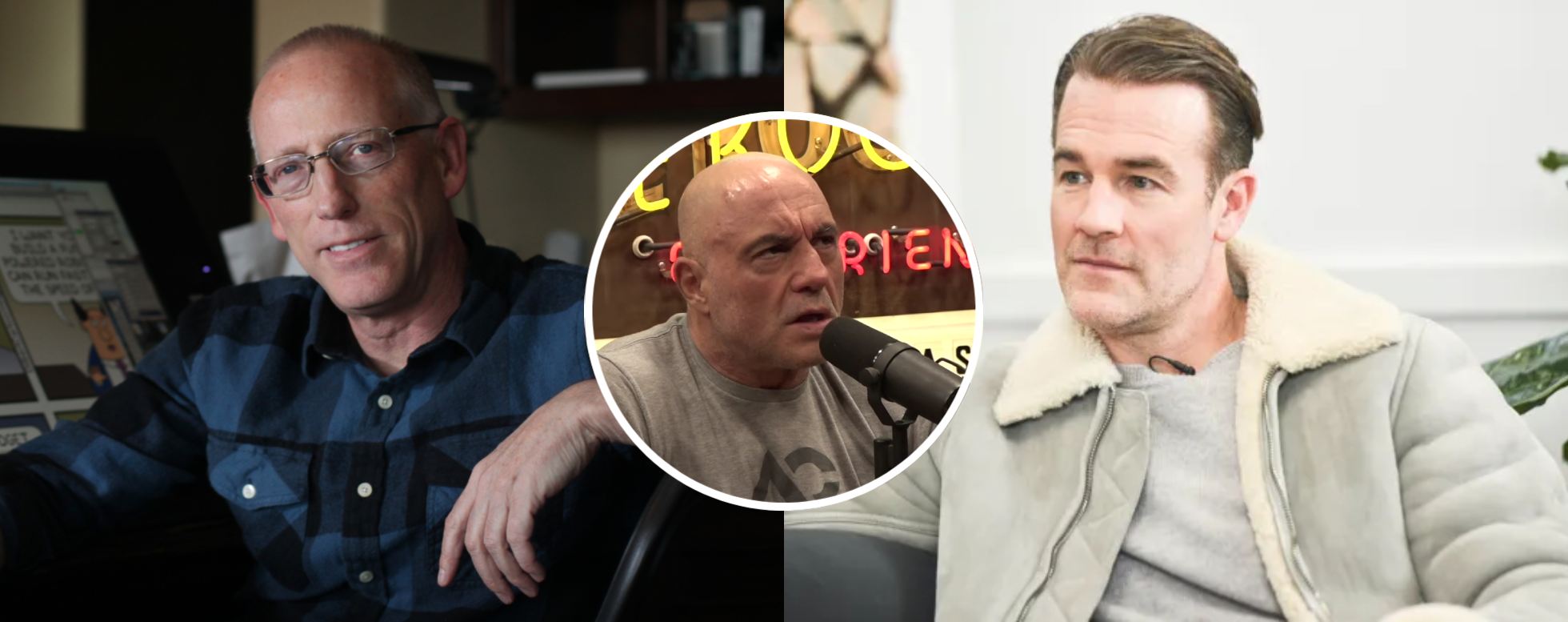
During a recent episode of The Joe Rogan Experience featuring Michael Malice, host Joe Rogan addressed the concerning rise of aggressive cancers among younger individuals, a phenomenon some have termed “turbo cancer.” The conversation touched on recent high-profile cases, including cartoonist Scott Adams and actor James Van Der Beek.
When talking about Adams, Rogan stated: “Yeah. It’s a real bummer, man, because it happened so quickly. His cancer. He got turbo cancer.”
Malice had just attended Scott Adams’ memorial service, reflecting on the Dilbert creator’s rapid decline. He explained: “Well, he had it in January 2025, and he said, ‘I’m going to wait for my stepdaughter to get married.’ And then he tweeted something out. RFK jumped in. Trump jumped in. They got him this medicine, and they got him a few more months. And you know, so he got six more months. Just because someone’s terminal doesn’t mean they don’t have months left.”
The discussion also referenced actor James Van Der Beek, whom Malice had met at Rogan’s comedy club. At just 48 years old with six children, Van Der Beek recently revealed his own cancer diagnosis. Malice noted that he had not encountered a single negative comment about the actor, describing him as universally well-regarded.
Malice stated: “I haven’t seen one person… Not one person anything bad to say about him, which says a lot from that kind of era. So, 48, man, that that’s that’s scary.”
Rogan agreed, saying: “Yeah, he seemed like a super nice guy. He was a sweetheart.”
“And there’s an unprecedented number of young people that are dying of cancer,” Rogan continued, pointing to growing public concern around the issue.
He referenced a cover story from Time titled “Race to Explain Why More Young Adults Are Getting Cancer,” which framed the apparent increase as a complex medical mystery. Researchers have been exploring potential factors ranging from environmental exposures and lifestyle changes to dietary shifts and improved screening methods that may be detecting cancers earlier.