
Free to use under the Unsplash License
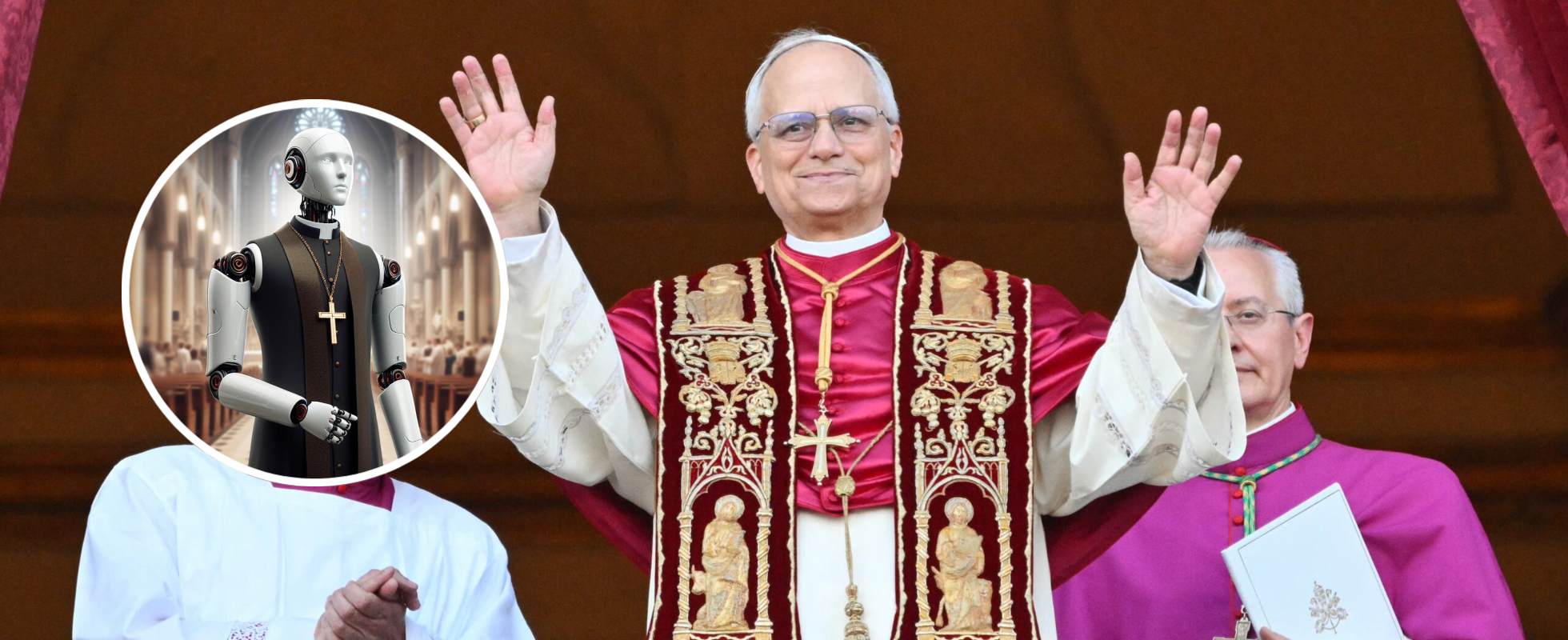
Pope Leo XIV recently delivered a passionate plea for authenticity in ministry. He addressed the priests from the Diocese of Rome, warning clergy against outsourcing their spiritual work to artificial intelligence and chasing social media fame.
“To give a true homily is to share faith. Artificial intelligence will never be able to share faith,” Pope Leo XIV told the assembled priests. According to him, algorithms and chatbots have no place in the pulpit.
According to sources, the pope’s concern extends beyond mere productivity shortcuts. He emphasized that relying on AI to craft sermons risks atrophying the very faculties that make priests effective spiritual guides.
“Like all the muscles in the body, if we do not use them, if we do not move them, they die. The brain needs to be used, so our intelligence must also be exercised a little so as not to lose this capacity,” he explained.
This isn’t the first time Pope Leo XIV has talked about with topics surrounding artificial intelligence and human dignity. Since his election, he has shown particular interest in how technology collaborates with meaningful work, drawing inspiration from Pope Leo XIII’s landmark encyclical Rerum Novarum, which addressed labor rights and human dignity during the Industrial Revolution.
But AI-generated homilies weren’t the only modern temptation the pope warned against. He also cautioned priests about the siren call of social media popularity, particularly on platforms like TikTok.
“It is an illusion on the internet, on TikTok, to think one is offering oneself and gaining ‘likes’ and ‘followers’ in that way,” Pope Leo XIV said. “It is not you: if we are not transmitting the message of Jesus Christ, perhaps we are mistaken, and we must reflect very carefully and humbly about who we are and what we are doing.”
The theme of his address centered on the irreplaceable value of direct human connection in priestly ministry. He encouraged priests to focus their energy on personal engagement with their communities, particularly young people facing unprecedented challenges.
The pope painted a picture of youth today, noting they confront family instability, profound isolation, and exposure to violence and illegal stuff at levels previous generations never experienced.
“If we can offer a service that is inculturated in the place, in the parish where we are working, people want to see your faith, your experience of having known and loved Jesus Christ,” he told the priests.
While urging priests to build relationships with young people, he cautioned against trying to become one of them. “Be close to them in this sense, accompany them, but do not be just one of the young,” he said.
Instead, he advocated for active outreach: “We must go ourselves, we must invite other young people, go out into the streets with them; perhaps offer different ways.”
Central to this mission, the pope argued, is authentic friendship. “Getting to know others is the key element… through a human experience of friendship with young people who live in isolation, in incredible loneliness,” he said.
The pontiff also addressed the delicate topic of euthanasia, challenging priests to examine their own attitudes toward life’s difficulties. “If we ourselves are so negative about our life, and sometimes with less suff ering than that borne by many people, how can we say to them: ‘No, you cannot take your life, you must accept it’?” he asked.
Pope Leo XIV didn’t spare criticism for priests who have become too comfortable delegating traditional pastoral responsibilities. He specifically mentioned bringing Communion and the anointing of the sick to those unable to attend Mass, tasks increasingly handed off to lay ministers.
“Today, with fewer priests and more elderly, it has become: ‘Well, let’s send the lay people, they will do it.’ It is a beautiful service that lay people provide… but that does not mean that the priest can stay at home watching things on the internet,” he said pointedly.


