
Free to use under the Unsplash License
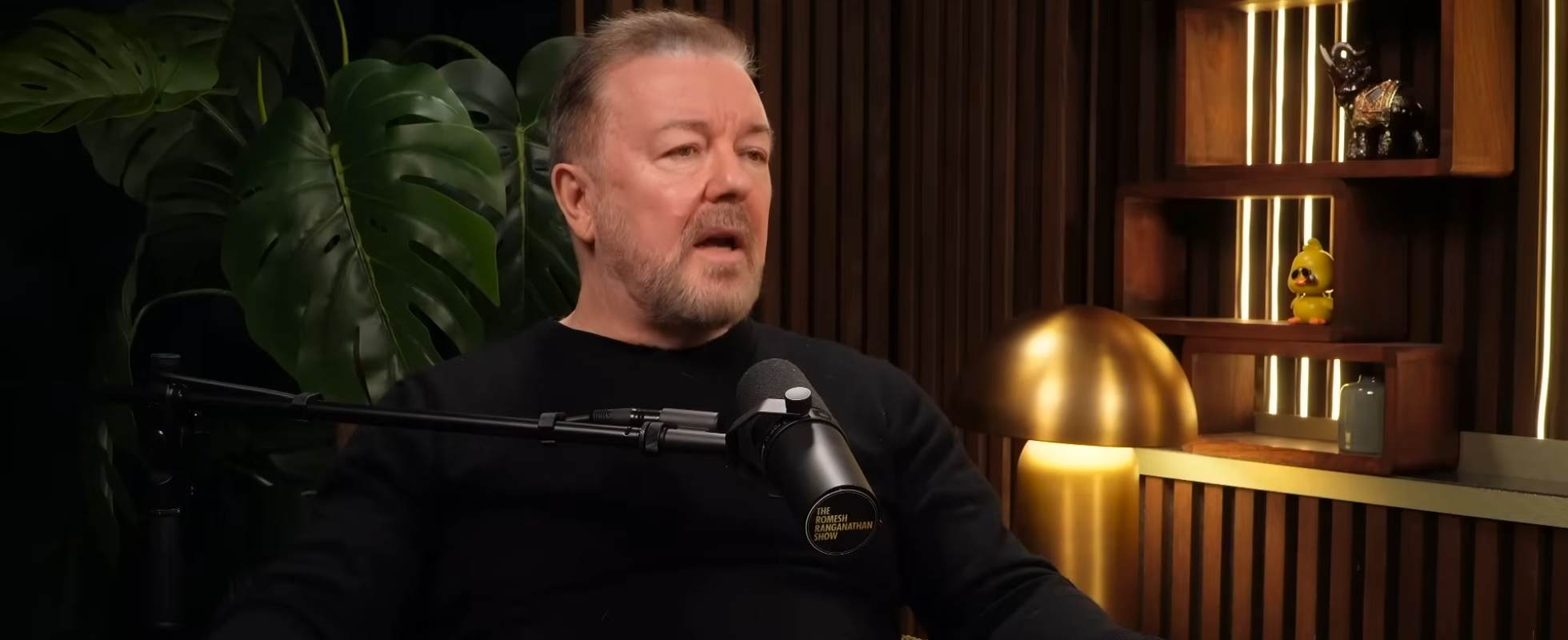
Ricky Gervais opened up about one of comedy’s trickiest paradoxes during his appearance on The Romesh Ranganathan Show: how to remain relatable when audiences know exactly how much money you have in the bank.
The challenge of maintaining what he calls “low status” weighs on the Golden Globes host more than audiences might realize. “We’ve got to be low status as comics,” Gervais explained. “We can’t be above them. We can say be same status, but we can’t be above them. And you’ve got to sort of retain that somehow, but people know how much we earn.”
This awareness has fundamentally changed how Gervais approaches his material. He refuses to pretend his life resembles that of his average ticket buyer. “I don’t want to pretend ‘Oh god. I was on the bus the other day going to sign on,’ and you know what I mean. F**king liar, you know. So I tell the truth. So I tell them a bad experience on a private jet or something. So I’m still being honest and they get it.”
The strategy requires walking a careful line. Rather than fabricating struggles he no longer faces, Gervais finds other ways to position himself alongside his audience. “The other way I can keep low status is or same status is be worse off than they are in certain aspects. And that’s the things I talk about: getting older, fatter, bolder, being stitched up, being, you know, despised by someone.”
The approach works because it acknowledges reality while maintaining connection. “I haven’t got real world problems, but I think you’re allowed to you, I think you’ve got to be aware of adversity. At least you’ve got to acknowledge it.”
Gervais illustrated the principle with a sharp observation about how people engage with stories. When someone shares only highlights from a perfect vacation, “after about an hour you go, ‘Yeah, we get it. It was brilliant.'”
This philosophy extends beyond just material selection. For Gervais, honesty has become non-negotiable, even when it complicates the performance. “I always wanted to be honest. I always wanted to be real. Do you know what I mean? I always want them to know that I say it too much as well. I say this is true because it’s important. It’s not funny if it’s not true.”
The wealth factor has actually made Gervais more cautious about his public persona. “Like when I started, I didn’t care what I said. What I said in interview, what I said on stage, what I said on podcast. I didn’t care,” he admitted. Now the calculation has shifted: “I think I’ve lost my nerve a bit and I have to dig in and go, ‘Come on, don’t worry about it. Who cares?’ I have to remind myself.”
He attributes this change partly to having more at stake. “I don’t know whether that’s I’ve got more to lose now. I don’t think it is that. I’m more conscious of bad faith takes.”
The financial success has also transformed which promotional activities feel worthwhile. When asked why he bothers with publicity at all, Gervais pointed out the math no longer adds up for traditional media. “With the death of TV, there’s nothing to go on that I can’t get more views on X.”
Yet Gervais continues to tour and create, driven by something beyond financial necessity. “I wake up in the morning, I go, I’ve got to do something. I go, no, no, I don’t. Why have I said yes to this?” The answer lies in his genuine love for the work itself rather than any remaining need to prove himself or pad his bank account.
The wealth conversation extends to his charitable giving as well. When discussing his substantial donations to animal welfare organizations, Gervais framed generosity as obligation rather than heroism.
“I’ve always done it. It is a moral obligation isn’t it to be to be kind to animals and everything else. But um I didn’t have that much money to give away um growing up,” he said.


