
Free to use under the Unsplash License
China’s healthcare system is undergoing a major change, and artificial intelligence systems are making efforts to address mounting pressure on medical services. In Shanghai, new parents are now turning to an innovative solution: AI-powered digital avatars of real doctors that can answer common health questions around the clock.
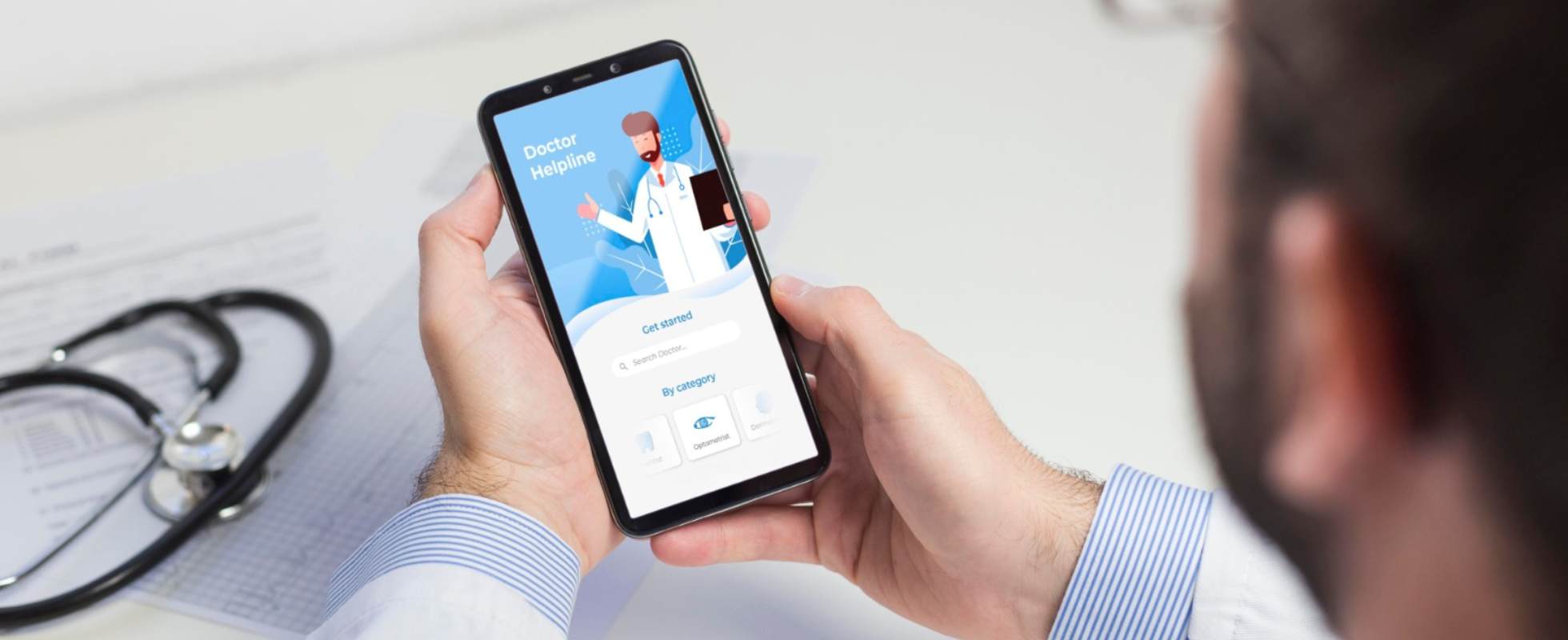
According to sources, Wang Yifan relied heavily on one such digital assistant throughout her first pregnancy. Her go-to advisor was an AI clone of Duan Tao, a renowned Shanghai-based obstetrician. Duan’s digital double exists on AQ, a healthcare app developed by tech giant Ant Group that now serves more than 100 million users across China.
The creation of these medical avatars represents a major step in China’s state-driven digitization of healthcare, an effort that has been building for over a decade. To create his AI twin, Duan carefully curated training materials, including medical textbooks, clinical case studies, and content from his social media platforms, which have attracted more than 10 million followers. This ensures the chatbot captures not just medical knowledge, but also his communication style.
“At the beginning, I did have concerns,” Duan acknowledged. “I value my personal reputation.” However, he believes in “actively embracing” technology to help improve healthcare delivery. Within just six months, his AI bot had served 160,000 patients.
The app addresses a persistent problem in Chinese healthcare: long waits for brief appointments. “What we’re doing is democratizing access to medical knowledge,” Duan explained. The platform now hosts more than 1,000 expert digital doubles, giving users across the country immediate access to reliable health information.
For Wang, the digital doctor became a trusted resource when she and her husband disagreed on health matters during her pregnancy, such as whether cooking wine was safe for food preparation. After giving birth, she has used the app even more frequently, consulting pediatrician avatars about rashes and general baby care.
“If I take my baby to hospital, I worry about cross-infection,” Wang said from her Shanghai apartment as her baby slept nearby. While she acknowledges the app cannot replace actual doctors, “it can reduce the number of questions we need to ask doctors directly.”
Beijing is expected to soon release its 15th Five-Year Plan, emphasizing technological transformation through 2030. An October framework specifically called for scientific breakthroughs in intelligent healthcare solutions to “enter practical application quickly.”
Chatbot DeepSeek is already in use at hundreds of Chinese hospitals, while Beijing’s Tsinghua University operates a hospital designed to incorporate AI in nearly all its processes. Nationwide, there are more than 100 AI medical projects currently underway.
However, experts urge caution. “We must always remember (AI) can hallucinate,” Duan warned. “Humans must retain the ultimate decision-making and choice.” Studies suggest that while AI chatbots can match human doctors in controlled exam conditions, they perform less effectively in complex, real-world conversations.


