
Free to use under the Unsplash License
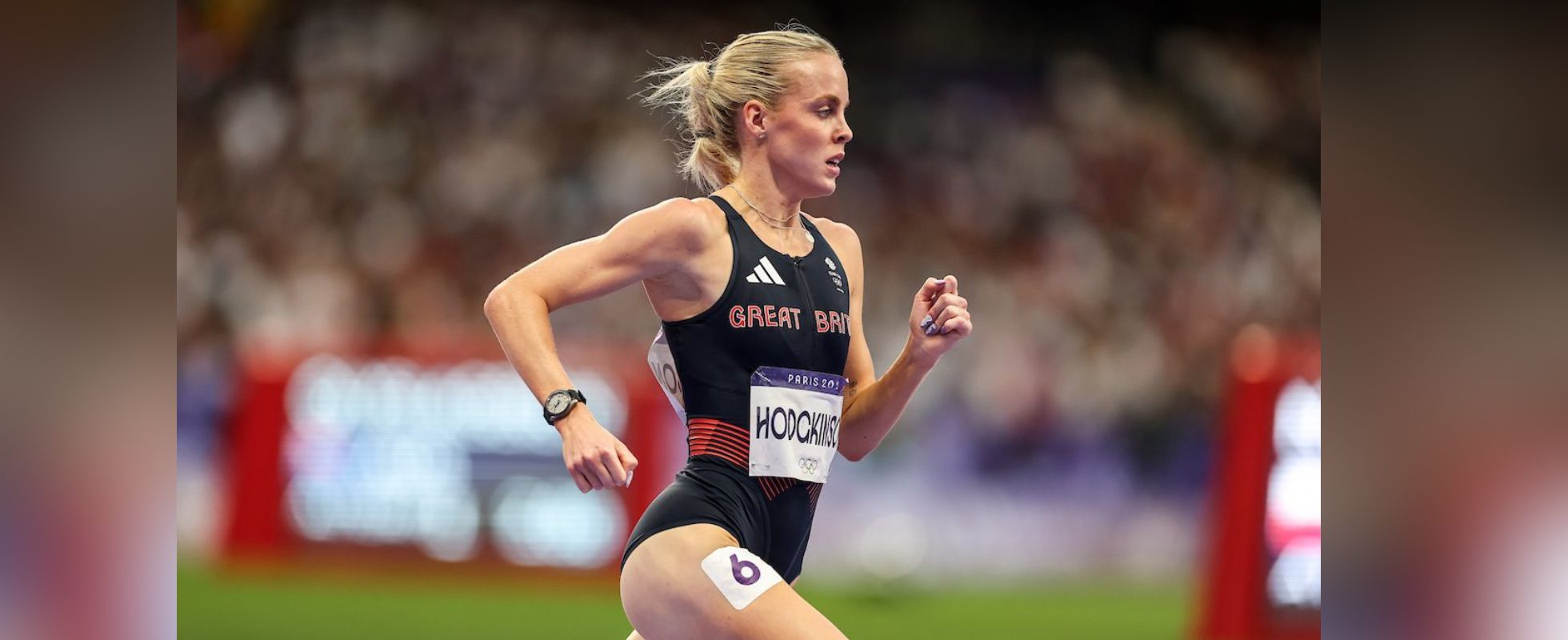
Some of Britain’s top female track and field athletes, including Olympic champion Keely Hodgkinson, have reportedly been surprised after being told to cover the cost of mandatory chromosome tests required to compete at the international level, with the bill coming to £185 per test.
According to sources, World Athletics introduced the requirement last year, making a one-time SRY gene test compulsory for any female athlete wishing to participate in major championships or Diamond League events. Administered via cheek swab or blood sample, the test is designed to confirm biological sex and is intended to ensure fair competition by screening for athletes with differences of sex development (DSD) as well as transgender competitors.
When the rule was initially rolled out ahead of the World Championships in Tokyo last September, World Athletics contributed approximately £75 per athlete to national federations to help offset the cost. However, UK Athletics has since reportedly advised its female competitors to fund the tests themselves, a development that has not gone over well among athletes who see the policy as both financially burdensome and inherently unequal.
The grievance is straightforward: male athletes face no equivalent testing requirement. Female competitors are also not asked to pay out of pocket for PED screenings, which serve a broadly similar purpose of protecting the integrity of the sport.
For athletes whose livelihoods depend on government-backed Athlete Performance Awards, the additional expense is far from trivial. For the Paris 2024 Olympic cycle, those grants were capped at £28,000 per athlete annually, and the average competitor was receiving less than £22,500, according to estimates from the British Elite Athlete Association.
UK Athletics does maintain a hardship fund that evaluates financial need on a case-by-case basis, but critics argue that placing the financial responsibility on female athletes at all sends the wrong message.
World Athletics President Sebastian Coe has been vocal about the reasoning behind the policy. “The philosophy that we hold dear in World Athletics is the protection and the promotion of the integrity of women’s sport,” he said when the requirement was announced. “It is really important in a sport that is permanently trying to attract more women that they enter a sport believing there is no biological glass ceiling. The test to confirm biological s*x is a very important step in ensuring this is the case.”
Coe was equally direct about where the governing body stands. “We are saying, at elite level, for you to compete in the female category, you have to be biologically female. It was always very clear to me and the World Athletics Council that gender cannot trump biology.”
The new rules arrive in the wake of high-profile eligibility disputes that drew global attention at the Paris 2024 Olympics, where questions surrounded boxers Imane Khelif and Lin Yu-ting after reports that both had previously failed gender eligibility tests administered by the International Boxing Association.
For some athletes, the policy change has reopened old wounds. Former British middle-distance runner Lynsey Sharp, reflecting on her sixth-place finish at the 2016 Rio Olympics behind three athletes with DSD, told Sky News: “Sometimes I look back and think I could have had an Olympic medal, but I gave it my all that day and that was the rules at the time.” She added: “Obviously, I wish I was competing nowadays, but that was my time in the sport and that’s how it was.”
World Rugby became the first major international federation to prohibit transgender women from elite and international competition back in 2020. Athletics has since moved in a similar direction. Notably, the Football Association took the opposite stance as recently as April of last year, declining to ban transgender players from women’s football.


