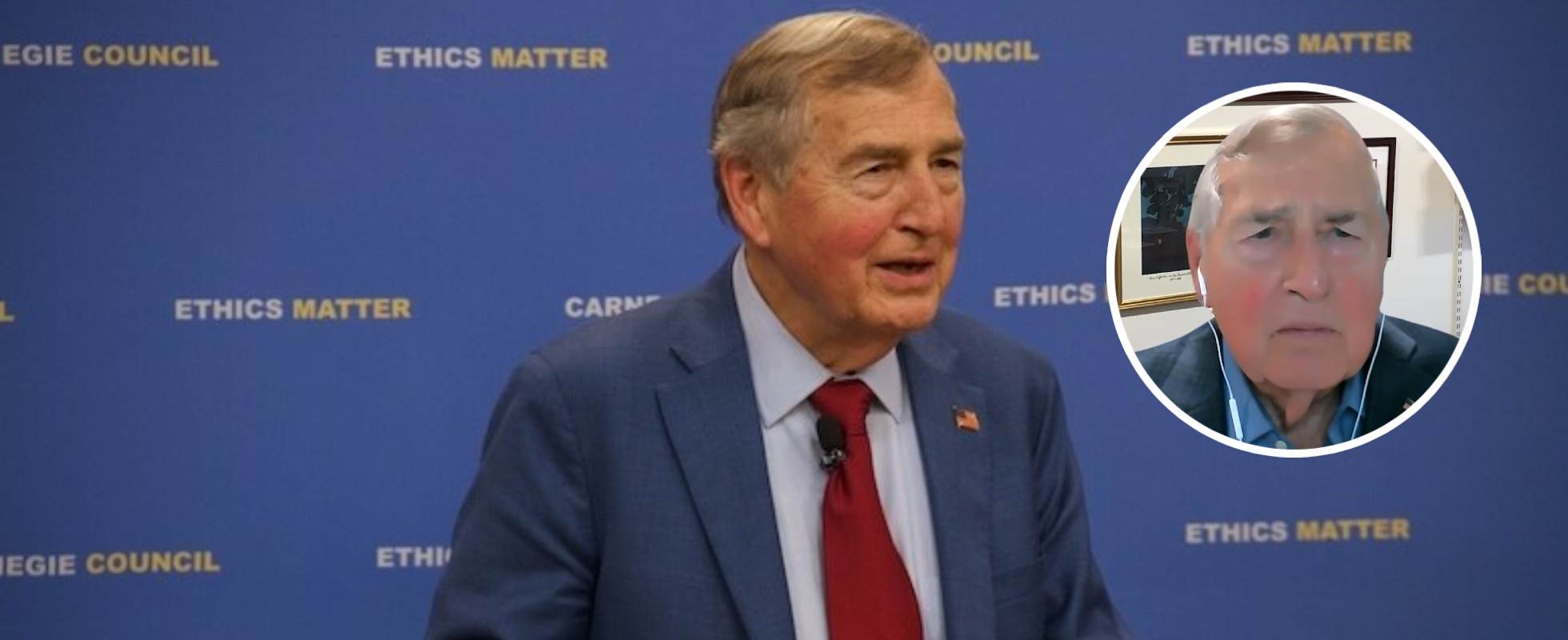
On a recent episode of the All-In Podcast, Harvard professor and Kennedy School founding dean Graham Allison was asked about the rising populist movement in the United States and what it could mean for the 2028 election. His answer was pointed and grounded in the data he said he had been examining closely.
“If you look at the numbers, I’ve been looking at them lately,” Allison said. “They’re hard to believe in terms of the split between wealthy and poor, or rich and poor. If you look at who’s benefited for the last generation in terms of the 0.01%, the 1%, the 10%, the 20%… well, that’s us and all the people that we know virtually.”
Allison noted that stock market gains are simply not part of most Americans’ lived experience. “When we say the market is, you know, in a third year of a bull market and, my goodness, it’s up 15 or 16%, for 80 or 70% of people, this is not part of their lives.”
He was direct about the political consequences: “When I look at the numbers about both what I think the facts are, and then even more people’s perception, it’s just not stable in a democracy if everybody gets a vote. And if the top 10 or 20% are taking 80% or 70% of the pie, that’s not stable and sustainable, I think. And it’s a political invitation for a populist.”
Allison acknowledged the issue sits somewhat outside his core expertise but said it keeps his attention. “This is one that I look over my shoulder and think, gee, wait a minute, this can’t be true. But whenever I’ve been looking into the numbers lately, they look as bad as they appear, and this is extremely dangerous.”
On solutions, he expressed skepticism toward universal basic income while remaining open to higher taxes on high earners. “I could probably be persuaded that people even at my level of income should pay another 10% of taxes or whatever for some more adjustment. I think the kind of adjustments that are basically putting people on the dole, or support for nonproductive or semi-productive activity, makes me very uncomfortable.”
His core concern is incentive: “The stuff of America has been the opportunity for people to be incentivized to invent, create, and create wealth that benefits everybody. But if the jam is not getting spread to 70% of the people, that’s not a sustainable political situation.”
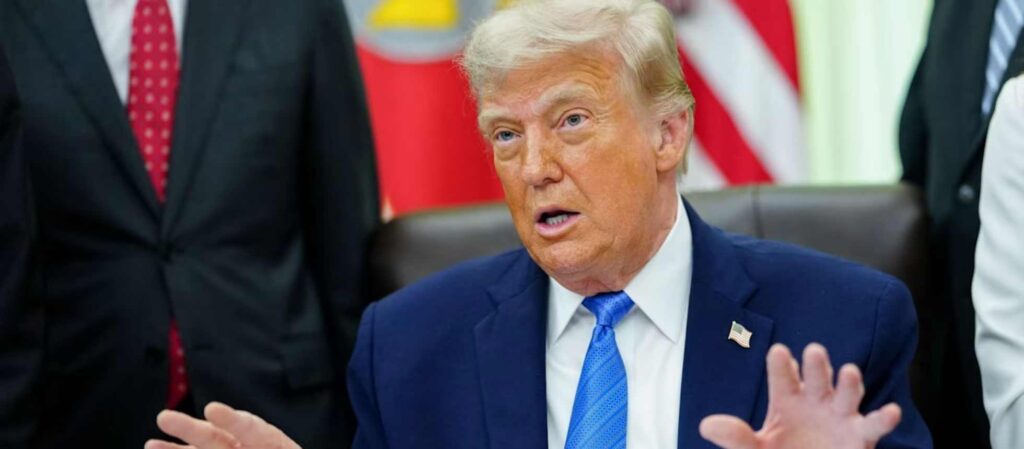
When a host raised proposals like a wealth tax and greater philanthropic giving from the top tier, Allison pointed to a moment that stuck with him. “In the State of the Union, Trump called out Dell and a couple of other people for having stepped up. I would say that certainly got my attention and made me think maybe I should be doing something different.”
His closing thought was measured but clear. “For serious people thinking about what’s good for the country, that’s a good one to worry about.”