
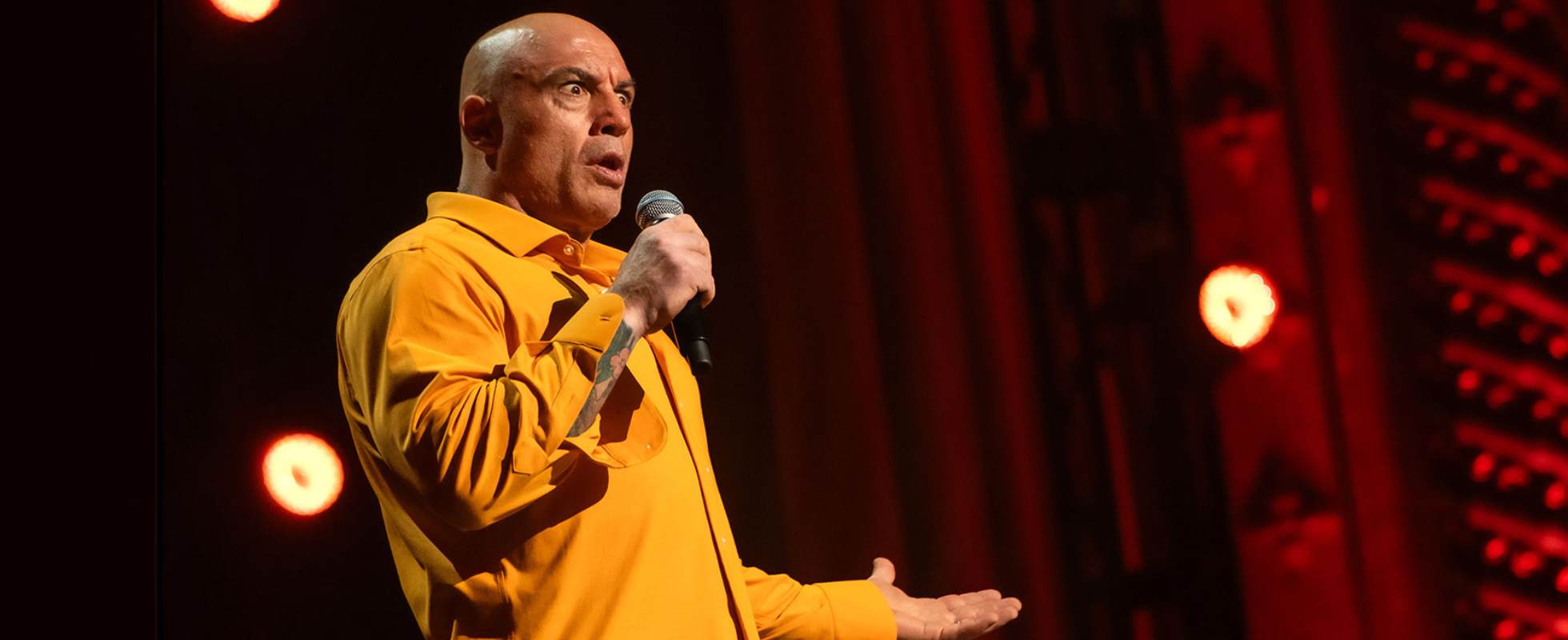
On a recent episode of the Joe Rogan Experience, host Joe Rogan sat down with actor and musician Luke Grimes for a conversation that touched on Hollywood culture, the pressures of television success, and what Rogan describes as the “velvet prison” that traps comedians once they land on TV.
The topic emerged during a discussion about Los Angeles and the culture Rogan experienced while working in the entertainment industry. Reflecting on the environment many aspiring performers enter, Grimes argued that the sacrifices required to pursue a career in Hollywood can make people more vulnerable to pressure from the system around them.
“I think it’s just that there is sort of a desperation that gets bred from. I mean these people left their families, they moved away. They left everything they’ve ever known and gave up a lot of comfort and security and love to follow this dream,” Grimes said.
He continued: “And so that dream becomes more and more and more important. You need it more and more because now you have nothing else. You’ve given everything else up. And so I think at that point you can sort of mold people into whatever you like.”
Rogan suggested that this dynamic has a particularly negative impact on comedians. According to him, once comics begin achieving mainstream visibility, especially through television, they often start softening the very material that made them stand out.
“It ruins comics,” Rogan said. “When comics start doing well, one of the first things, as soon as they start getting on television, the first thing they start doing is tempering their material. They tone it down a little bit, take the edge off, don’t say anything that can get you in trouble.”
He argued that the risk of offending audiences is often what makes comedy work in the first place. “And you know, generally those are the funniest things,” Rogan continued. “The funniest things are the things that can go terribly wrong, you know, and get you in trouble.”
Rogan described the tradeoff that comes with television success as a kind of comfortable confinement. “They become like an… I always call it the velvet prison,” he said. “Because you get locked into that velvet prison. You get on TV, you get money, but also you become just one of everybody else.”
Grimes, who still works under a studio system, said the observation resonated with his own experience. “It’s hard not to do. I mean, that’s where I’m at. You know, I still have a boss,” he said.
Rogan added that he often notices the same cautiousness even among guests who appear on his own podcast. “People come in here and I can see it in their face like, please don’t bring up anything crazy,” he said.
The conversation eventually broadened into Rogan’s criticism of what he sees as ideological conformity within the entertainment industry. “Whenever you got a place where everybody has the same politics, that’s not a good sign. Something’s gone wrong,” he said. “And everybody has these progressive left-wing politics regardless of whether or not any of their positions make sense. They all just sort of spit it out.”


