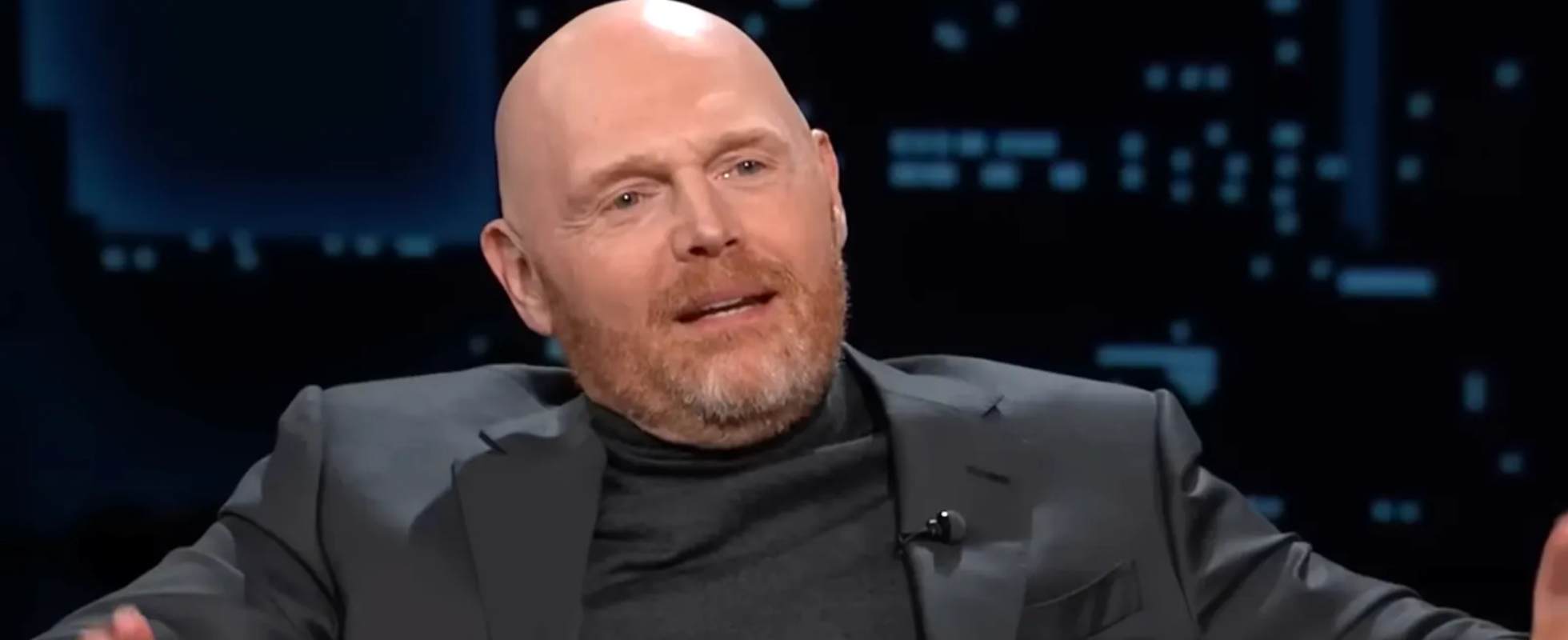
Bill Burr built one of the most respected reputations in stand-up comedy over two decades. Known for his unapologetic style, he was the comedian who turned a booing Philadelphia crowd into cheering fans and sold out Fenway Park, Madison Square Garden, and Gillette Stadium on the strength of stand-up alone.
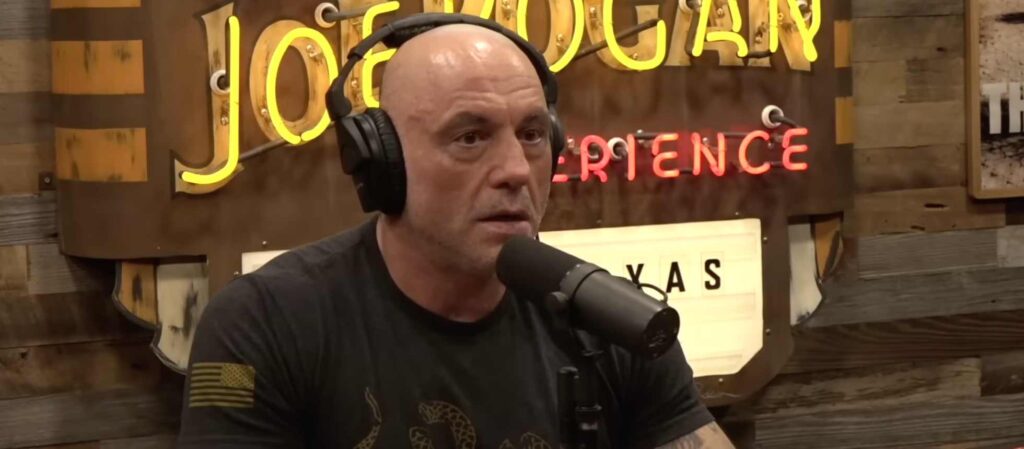
Part of what made Burr so appealing in recent years was his willingness to call out the ultra-wealthy at a time when fellow comedians were lining up to legitimize billionaires on their podcasts. While figures like Joe Rogan were cozying up to tech elites and offering them image rehabilitation on air, Burr pushed back.
“You know what? Elon Musk is a loser. Why does he need so much money? Peter Thiel is a psychopath, and we should be worried about him,” he said publicly.
Fans loved him for it. He was a multi-millionaire who still managed to speak for the average person, never drifting left or right but always aiming upward at those with the most power.
That reputation took a serious hit when Burr performed at the Riyadh Season Comedy Festival in Saudi Arabia. The festival was widely viewed as part of an effort to reshape the Saudi government’s international image without meaningfully changing conditions at home.
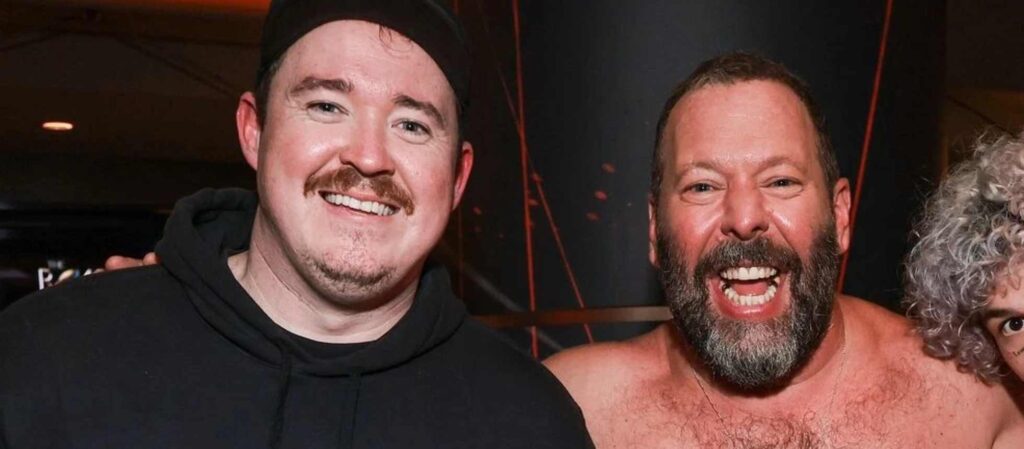
Several other comedians, including Shane Gillis and Stavros Halkias, turned down offers, citing human rights concerns. Tim Dillon, who revealed he was offered $375,000, was ultimately removed from the festival after making jokes about the country’s labor practices.
For a man who once said that billionaires “need to be put down like rabid dogs,” accepting what some estimates placed at around $1.5 million to perform at an event widely seen as image whitewashing struck many fans as a stark contradiction.
What escalated frustration into full-blown backlash, however, was not the performance itself but Burr’s response to the criticism. Rather than letting the controversy fade, he went on the offensive against his own audience, calling concerned fans racists and dismissing them as people who “couldn’t even point these countries out on a map.”
When he appeared on Conan to address the situation, audience members reportedly walked out. His podcast numbers dropped noticeably in the weeks that followed.
The strategy baffled longtime observers. A comedian who built his entire brand on holding power to account now found himself defending the powerful and mocking the very people who elevated him. Rather than addressing the actual criticism, he launched personal attacks on fans, which only extended the controversy and deepened the damage.