
Free to use under the Unsplash License
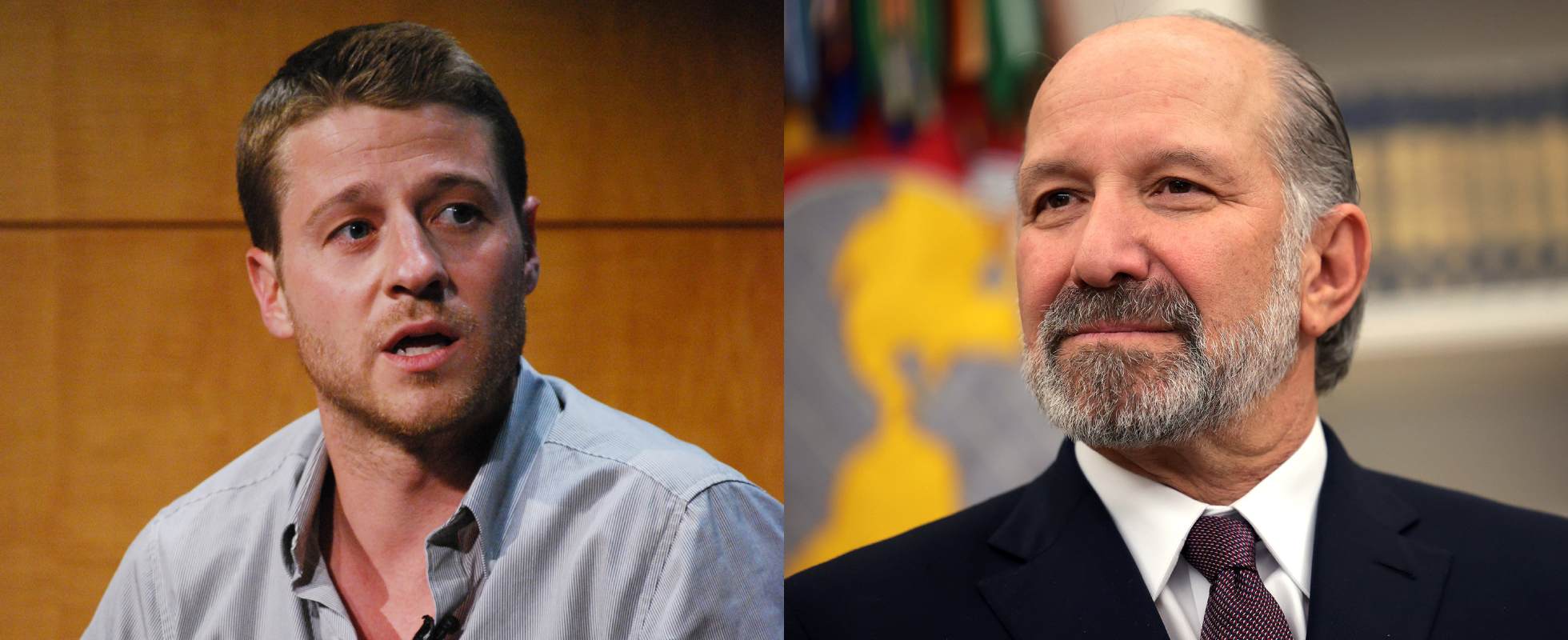
On a recent episode of The Weekly Show with Jon Stewart, actor and New York Times bestselling author Ben McKenzie sat down to discuss about cryptocurrency, fraud, and the political figures who benefit from it.
McKenzie, who wrote “Easy Money” and produced the documentary “Everyone Is Lying to You for Money,” laid out how cryptocurrency, particularly stablecoins, has become a vehicle for sanctioned nations and bad actors to move money outside the reach of international law.
He pointed to ships passing through the Strait of Hormuz paying in cryptocurrency because, as he put it, “the Iranians don’t want to use the banks. They’ve been shut out of the banking system.”
Additionally, McKenzie explained that the largest stablecoin company by far is Tether, and that Tether’s broker is Cantor Fitzgerald. He stated, “To give you an example of how deep the corruption goes, the biggest stable coin company by far is this company Tether. And their broker is Cantor Fitzgerald. And Howard Lutnik was the Commerce Secretary.”
McKenzie confirmed it and went further. Stewart pressed him directly: “Is it possible that through Tether, Russian oligarchs are moving oil to, let’s make it worse, moving Iranian oil to China in exchange for drones and weapons?”
McKenzie’s response was unambiguous. “It’s not possible. It happened. It does happen. You can read stories about this.”
Stewart then asked the natural follow-up: “And Howard Lutnik profits from that?”
McKenzie replied, “Or his kids technically, because he’s technically not… but I mean, come on. What are we talking about?”
McKenzie also walked Stewart through the broader picture of how cryptocurrency fuels the very threats the United States claims to oppose. He estimated that last year, $154 billion in illicit activity was financed via cryptocurrency, a figure that came from a crypto company’s own estimate. He noted that North Korea has teams of hackers stealing cryptocurrency, with half of the country’s nuclear weapons program funded through it, citing the Wall Street Journal as his source.
Then came the Howard Lutnik connection again, this time through another angle. McKenzie noted that Lutnik lived next door to Jeffrey Epstein. “And visited him on the island. There’s pictures. They tried to hide that. There’s a picture of them on the island together.”
Stewart brought the thread back together: “The selling point, the whole selling point of this thing is it will allow poor people to avoid those financial fees of international transactions… But what it really is, is oligarchs and arms dealers and corporate titans controlling a black market of war and degradation around the globe.”
McKenzie agreed, and connected the political dots further. He explained that the reason Lutnik came onto Trump’s radar at all was through campaign fundraising. “He was the co-chair, and there’s all these stories from the summer and fall of 2024 about these incredibly lavish fundraisers where Lutnik would host him and they would raise, you know, a million dollars a head or whatever.”
What followed that fundraising, McKenzie argued, was a systematic dismantling of the regulatory apparatus meant to police exactly this kind of activity. The DOJ’s cryptocurrency task force was disbanded. The SEC lost hundreds of staff. Congress passed the Genius Act, which McKenzie described plainly: “It allows corporations to issue their own money in the form of stablecoins.”
Stewart summed it up in a way that cut to the heart of the matter: “Donald Trump is literally shilling for the product that allows our enemies to avoid our sanctions.”
McKenzie’s response was a single word. “Yes.”


