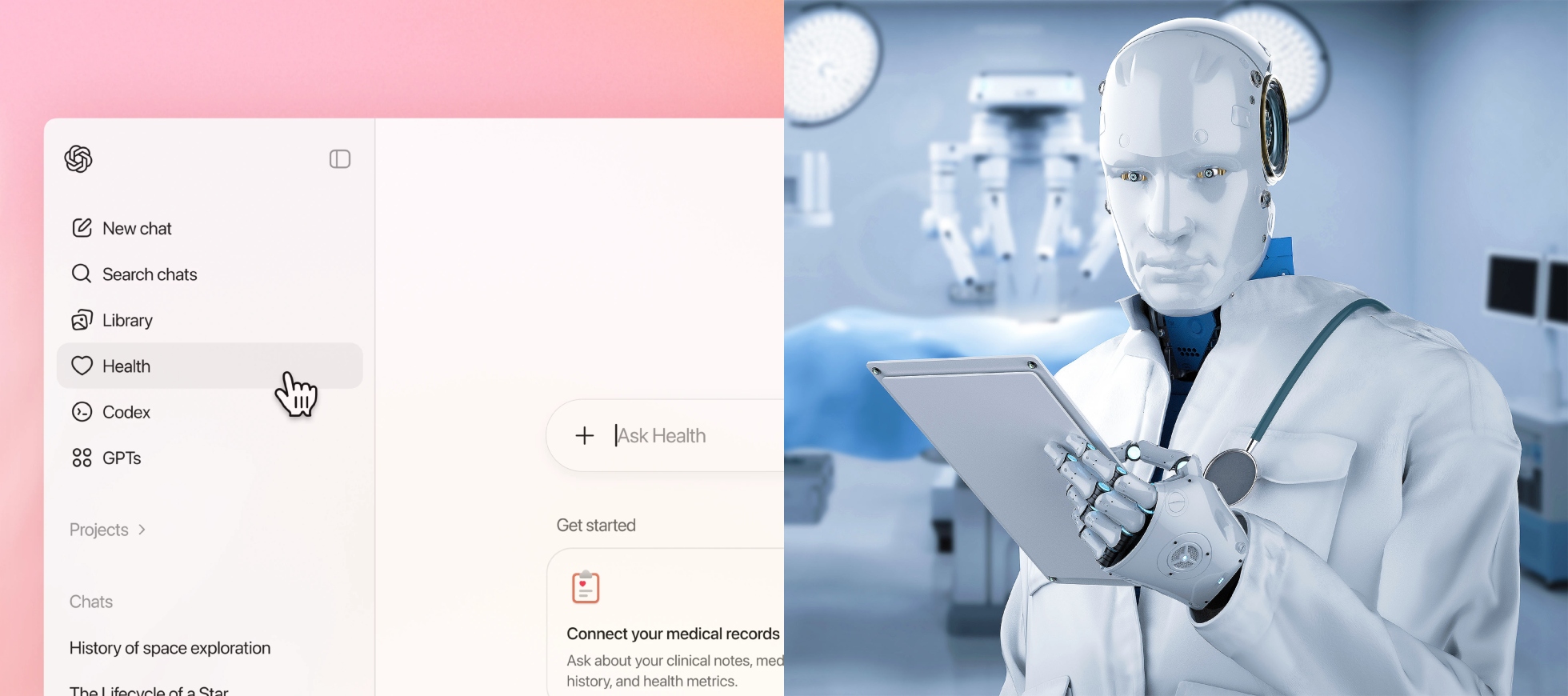
Artificial intelligence is making its way into prescription medicine, and the timing could hardly be more striking. Just weeks after Utah became the first state to allow AI systems to authorize certain prescription refills, OpenAI has unveiled ChatGPT Health, a new platform that allows users to securely connect medical records, lab results, and wellness data directly to the chatbot.
The two developments, though unrelated, signal a rapidly shifting landscape in how technology companies and government regulators are approaching the intersection of AI and healthcare.
Utah’s pilot program, launched last month in partnership with New York-based health technology company Doctronic, allows AI to handle refills for around 190 commonly used medications. Painkillers, injectables, and ADHD treatments are excluded from the system. Only refills are eligible. Any first-time prescription must still come from a licensed physician.
According to the press release, patients access the service through Doctronic’s website. They verify their location, upload a selfie and photo ID, and review their medications. A chatbot then asks about symptoms, pharmacies, and any recent health changes. If the AI denies a refill, users receive a code for a free video consultation with a physician.
The program is not yet fully automated. Doctors are still reviewing the first 250 prescriptions in each medication category before AI-only approval is allowed. According to the Utah Department of Commerce, internal figures from Doctronic show the AI’s refill decisions aligned with those of human doctors in more than 99 percent of cases.
Supporters argue the approach could reduce costs and speed up access to care, particularly for patients in rural areas where doctors are scarce. State officials describe the effort as a test case for regulating high-risk AI tools while still encouraging innovation. The program is overseen by Utah’s Office of Artificial Intelligence Policy, which operates a regulatory sandbox that allows certain rules to be temporarily relaxed while the state tracks safety and consumer impact.
Medical groups remain cautious. American Medical Association CEO John Whyte said that while AI has the potential to improve healthcare, removing physicians from key decisions could introduce serious dangers for both patients and providers. Critics also point out that AI systems may fail to notice subtle clinical signs a doctor would catch in person, and they worry that people with substance misuse issues could attempt to game automated processes.
Meanwhile, OpenAI’s announcement of ChatGPT Health represents a different kind of AI integration into medicine. Rather than prescribing or refilling medications, the platform is designed to help users make sense of scattered health information across portals, apps, wearables, PDFs, and medical notes.
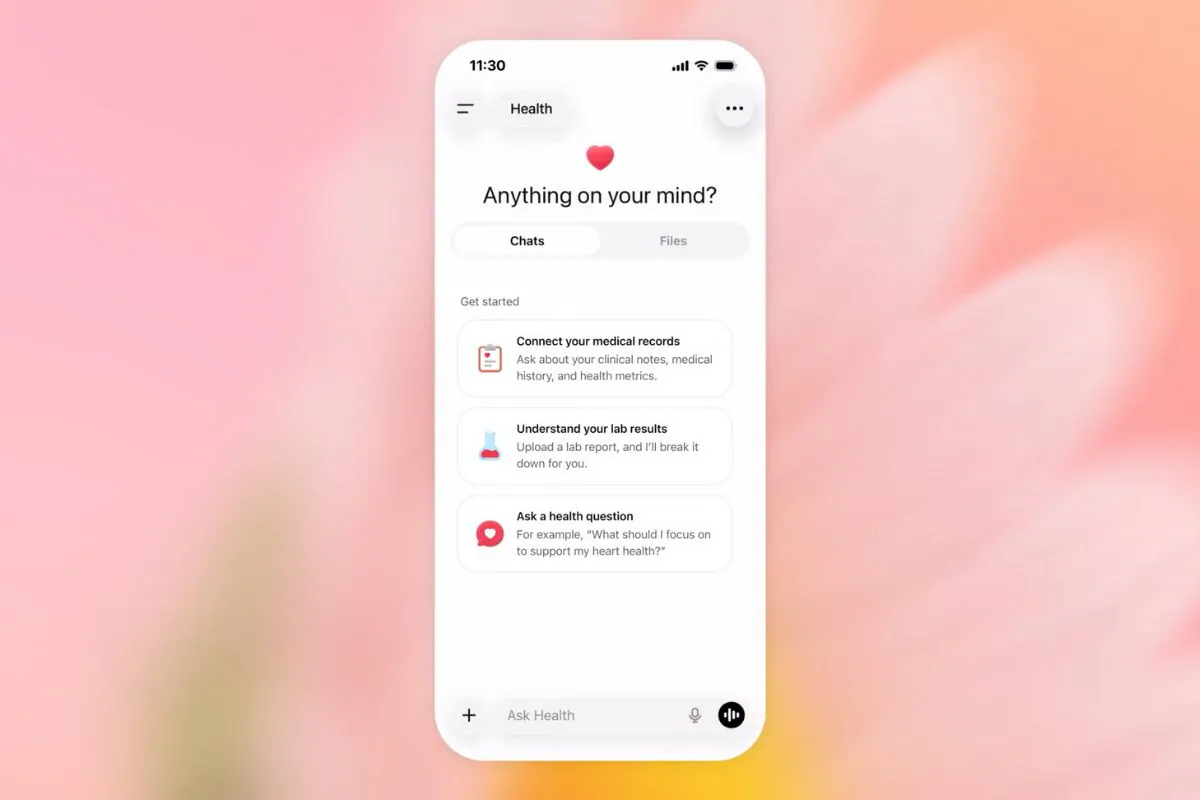
According to OpenAI, health is already one of the most common ways people use ChatGPT, with over 230 million people globally asking health and wellness related questions on the platform every week. ChatGPT Health builds on that foundation by allowing users to securely connect medical records and wellness apps like Apple Health, Function, and MyFitnessPal.
The platform can help users understand recent test results, prepare for appointments with their doctor, get advice on diet and workout routines, or understand the tradeoffs of different insurance options based on their healthcare patterns. OpenAI emphasizes that Health is designed to support, not replace, medical care. It is not intended for diagnosis or treatment.
To address privacy concerns, Health operates as a separate space within ChatGPT with enhanced protections. Conversations in Health are stored separately from other chats and are not used to train foundation models. The platform uses purpose-built encryption and isolation to keep health conversations protected and compartmentalized. Medical record integrations are enabled through a partnership with b.well, described by OpenAI as the largest and most secure network of live, connected health data for U.S. consumers.
ChatGPT Health was developed in close collaboration with physicians around the world. Over two years, OpenAI worked with more than 260 physicians who have practiced in 60 countries and dozens of specialties. This group has provided feedback on model outputs over 600,000 times across 30 areas of focus. The model is evaluated using HealthBench, an assessment framework created with input from practicing physicians that prioritizes safety, clarity, appropriate escalation of care, and respect for individual context.
Users with ChatGPT Free, Go, Plus, and Pro plans outside of the European Economic Area, Switzerland, and the United Kingdom are eligible to join a waitlist for access. OpenAI is starting with a small group of early users and plans to expand access to all users on web and iOS in the coming weeks.
Privacy advocates have raised questions about the new platform. Some critics note that while conversations in Health are not used to train foundation models, OpenAI’s privacy policy permits using content to improve and develop services and conduct research. Others point out that the platform does not mention HIPAA compliance, and that medical records route through b.well, a third-party health data aggregator, which means users are not just trusting OpenAI but also b.well’s vendors, service providers, and affiliates.
Both Utah’s prescription refill system and ChatGPT Health represent experiments in how AI can be deployed in healthcare. State regulators say the results of Utah’s pilot will be made public and could influence how other states and federal agencies approach AI in healthcare. OpenAI, for its part, says it will continue to expand what users can connect and the insights Health can support.