
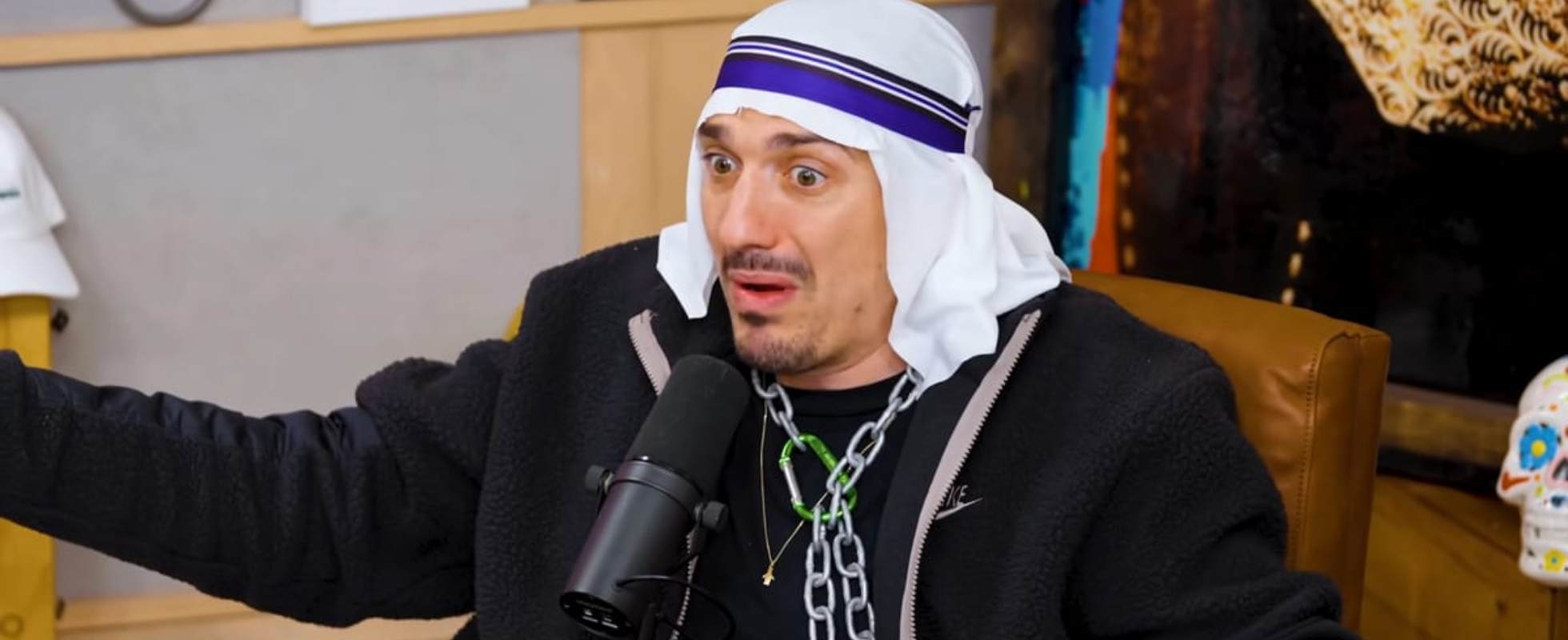
Among the comedians who participated in the controversial Riyadh Comedy Festival, Andrew Schulz had the most calculated approach to the backlash. Unlike peers who stumbled through their responses or remained silent, Schulz demonstrated an understanding of Saudi Arabia’s reputation management efforts while simultaneously deflecting criticism through accusations of racism.
Schulz’s primary defense centered on portraying critics as prejudiced against Middle Eastern audiences. He argued that detractors were essentially saying comedians should only perform in white countries, framing the controversy as discrimination rather than legitimate ethical concerns.
His podcast co-host Akash Singh reinforced this narrative by specifically targeting Brooklyn comedians and Marc Maron, suggesting their audiences lacked diversity and therefore invalidated their moral standing.
However, this defense conveniently ignored the actual criticism: that the festival was funded and organized directly by the Saudi government through its sovereign wealth fund, not by ordinary Saudi citizens. Critics repeatedly stated they would have no issue with comedians performing at private clubs for Saudi fans.
The controversy stemmed from accepting payment from an authoritarian regime known for human rights violations, not from performing for Middle Eastern audiences.
What makes Schulz particularly noteworthy is his documented awareness of Saudi Arabia’s strategic use of entertainment for image rehabilitation. In 2023, after performing in Abu Dhabi, Schulz openly discussed how countries like Saudi Arabia were using entertainment and tourism to whitewash their reputations. He even offered advice, suggesting they wrap everything around culture rather than just impressive buildings. This demonstrates he understood exactly what he was participating in when he accepted the Riyadh gig.
During his performance, Schulz took time to praise Turki al-Sheikh, the Saudi official orchestrating much of the kingdom’s sports and entertainment expansion. He later posted video of his set online, claiming it proved he faced no censorship. Yet the footage showed him making jokes about women, Indians, and gay people while praising Saudi officials. Nothing in his performance challenged the restrictions comedians agreed to regarding criticism of the government or religion.
Schulz deployed additional deflection tactics, including claiming the backlash resulted from having Donald Trump on his podcast rather than genuine ethical concerns. He suggested much of the online criticism came from bots rather than real people. He also argued that performing at the festival demonstrated a refusal to view fans as beneath him, positioning himself as morally superior to comedians who declined to participate.
The contradiction in Schulz’s messaging becomes apparent when examining his full statement. He simultaneously argued that Middle Eastern countries are modern and progressive, essentially like America, while also suggesting they need comedians to open their minds and advance free speech. He claimed he was just performing for fans who deserve comedy, yet accepted payment from the very government that restricts those fans’ freedoms.
Unlike comedians such as Bill Burr who appeared genuinely conflicted, or Whitney Cummings who eventually showed some remorse for her reaction to critics, Schulz maintained a consistent position of having no regrets.


