Authors whose work was used without permission by the AI company Anthropic have until January 15 to opt out of a proposed $3,000 per book settlement and pursue individual legal action. The deadline forces a decision for nearly six million writers affected by what journalist Scott Carney has described as the largest copyright lawsuit in history.
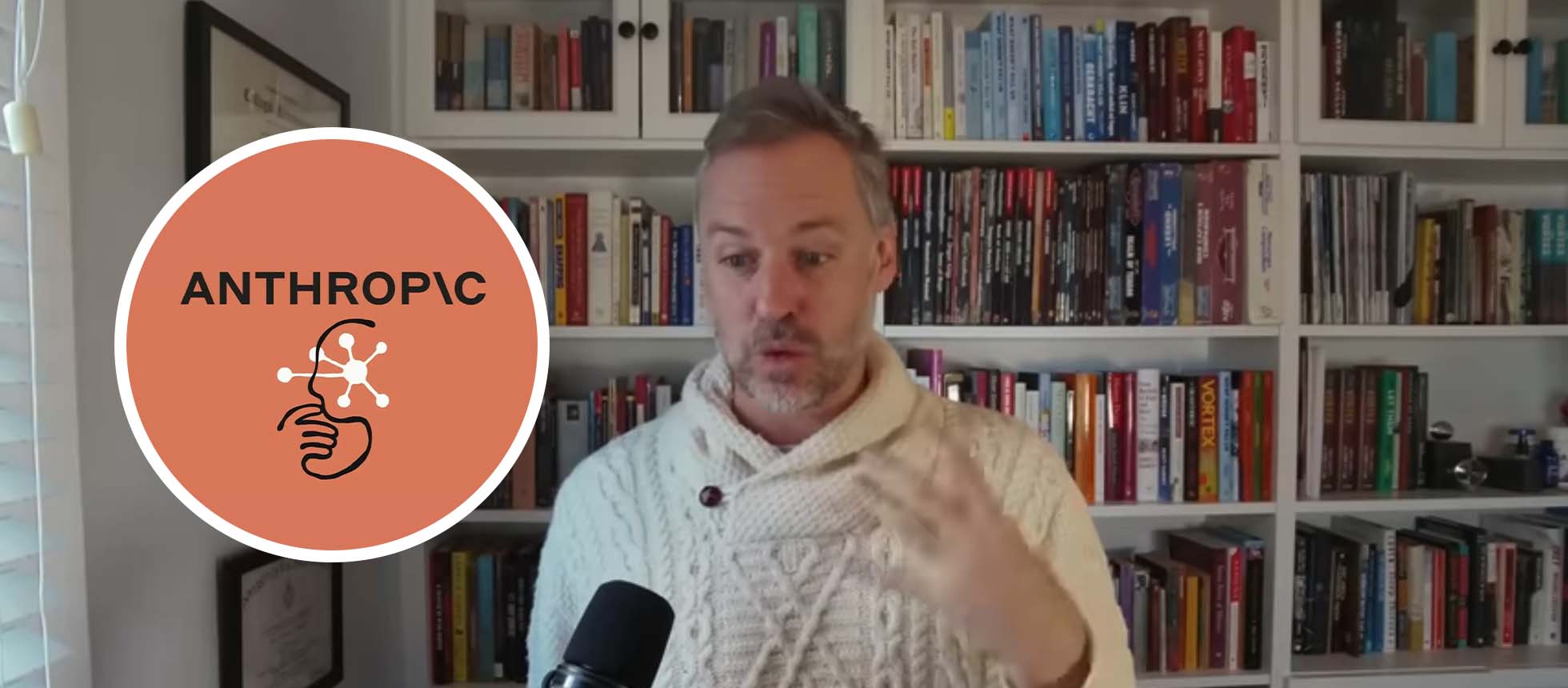
The settlement covers roughly 468,000 books ingested by Anthropic’s Claude AI system and has drawn criticism for the level of compensation offered. According to attorney James Barole of the Duncan firm, when the $1.5 billion settlement figure is divided across the approximately six million books copied from datasets, it amounts to just over $200 per book.
“I don’t know that that’s actually a deterrent effect to stop or to slow down or to pause an AI company from doing this again,” Barole said in a recent interview.
Under federal copyright law, statutory damages can reach up to $150,000 per work in cases of willful infringement.
Court filings show the law firm Cohen Milstein Sellers & Toll requesting $15 million for about 231 hours of work, which equates to roughly $65,000 per hour. The presiding judge has reportedly raised concerns about the scale of those fees, particularly when compared with the $3,000 per book offered to authors.
Authors must also account for publisher claims on any settlement payout. Many publishing contracts allow publishers to take up to 50 percent of proceeds. Educational publishers have been automatically assigned a 50 percent share for educational works, even in the absence of explicit contractual language.
Writers who opt out retain the right to file individual lawsuits seeking statutory damages. The Duncan firm currently represents more than three dozen authors pursuing this approach on a contingency basis, with no upfront costs.
“You could actually get nothing or lose, which that’s the risk that you take,” he said.
Despite that risk, dozens of authors have already opted out, betting that jury awards could exceed the settlement amount.
To opt out, authors must email the Anthropic class administrator by January 15 with their book titles and a clear request to be excluded. Those who opt out can reverse their decision and rejoin the settlement until March 9 and all claims must be finalized by March 30.
Authors who remain in the settlement must also submit claims by March 30 to receive payment.
The case has sharpened broader concerns about AI companies using copyrighted material without consent or compensation. Anthropic’s valuation exceeds that of the entire U.S. publishing industry, making the $1.5 billion settlement a limited expense relative to its scale.
Authors interested in pursuing individual lawsuits can contact participating law firms directly. Several firms are coordinating representation for writers who choose to opt out and seek court rulings that could shape how copyright law applies to AI training data.
With the January 15 deadline approaching, affected authors face a narrow window to decide how they want their work valued and defended in the context of rapidly expanding AI systems.