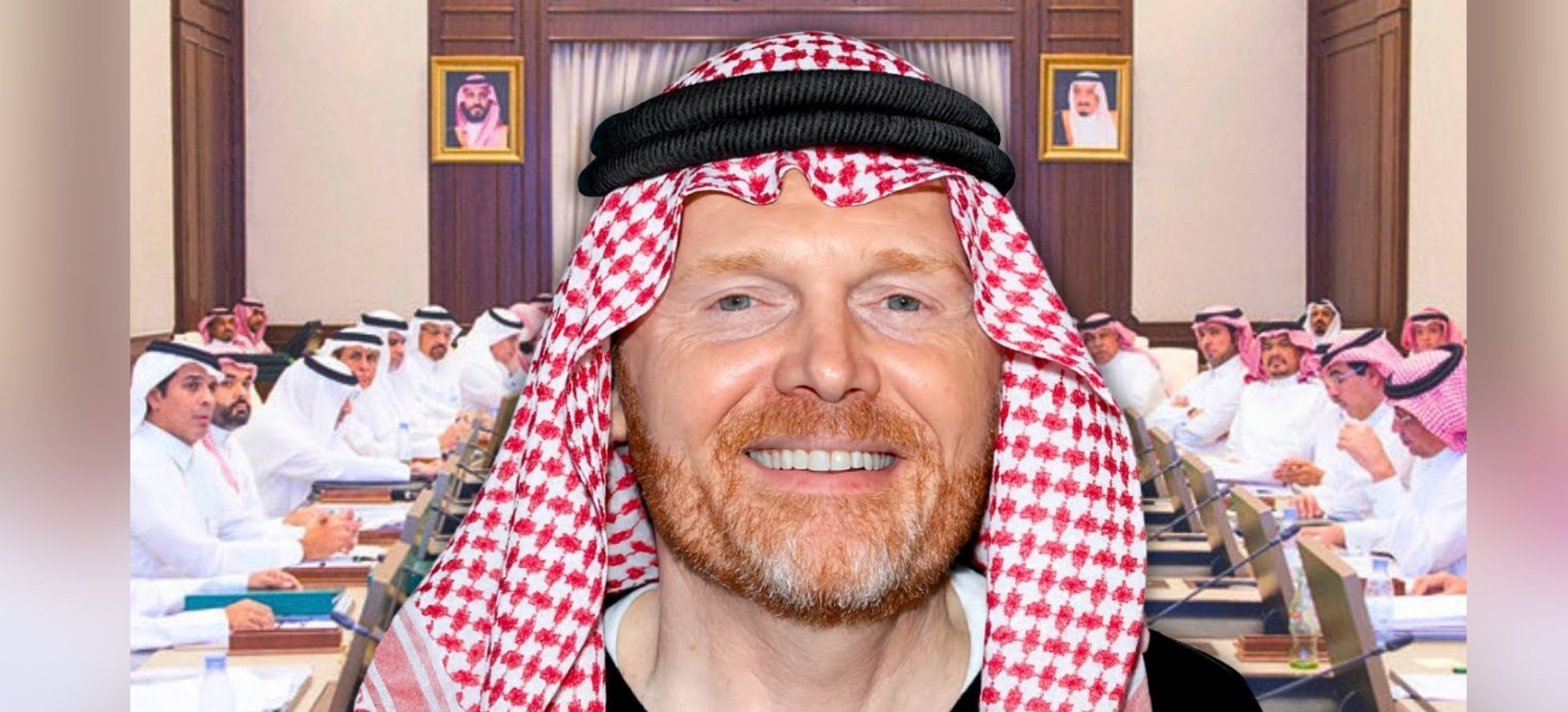
Bill Burr spent two decades building a reputation as a comedian with integrity, someone who called out hypocrisy wherever he saw it. That carefully constructed image collapsed in a matter of weeks following his participation in the Riyadh Comedy Festival in Saudi Arabia and his defensive response to the criticism that followed.
The Boston comedian rose to fame through relentless work ethic and a willingness to speak uncomfortable truths. His legendary 2006 Philadelphia rant, where he turned a hostile crowd from boos to cheers through sheer force of will, established him as a performer who wouldn’t back down from anyone.
The Huffington Post called it a watershed moment in comedy history, cementing Burr’s status as someone who stood by his principles regardless of the consequences.
Over the following years, Burr built his brand on sharp social commentary and calling out powerful people. He regularly criticized billionaires, CEOs, and corporations for hoarding wealth while treating employees poorly.
When United Healthcare CEO Brian Thompson was taken down by Luigi Mangione, Burr openly supported the action, saying CEOs should be afraid because many of them are mass m**derers who simply don’t pull the trigger themselves. He roasted Elon Musk on stage and criticized celebrities like Beyoncé and Mariah Carey for taking money from oppressive regimes, calling it blood money.
This moral grandstanding made Burr’s decision to perform at the Riyadh Comedy Festival particularly jarring. The Saudi royal family, with its documented human rights violations and vast wealth from oil, represented everything Burr claimed to oppose. Yet when offered their money, he accepted and performed.
Had Burr simply acknowledged the contradiction, many fans would have understood. Louis CK took a similar approach when questioned about performing there, admitting the criticism was valid while explaining his reasoning. But Burr chose a different path entirely.
Rather than owning his decision, Burr became defensive and dismissive. He claimed critics were being racist, suggested they were manipulated by internet bots, and implied they were too uninformed to understand his perspective. On Conan’s show, he mocked his critics for being angry about a place they couldn’t find on a map, deflecting from the substantive points being raised about his inconsistency.
The response from fans was swift and unforgiving. His podcast lost over 20,000 subscribers, and engagement across his platforms dropped significantly. Comment sections filled with variations of nicknames mocking his decision. Even months later, the criticism persists on every post and video he releases.
Burr built his following partly on being someone who spoke truth to power and called out hypocrisy. When given the opportunity to demonstrate those principles came with real costs, he chose the payday instead.
His career will likely continue, but his reputation as a comedian with integrity has been severely damaged.