
A Chinese tech media outlet has exposed what it calls systematic manipulation of performance data by major smartphone brands, triggering controversy and subsequent censorship across Chinese platforms.
On February 15th, Geekerwan released a video titled “Mobile Gaming Performance Mega Test: Manufacturers Are Like Crazy,” revealing that Chinese phone makers provide specially selected and tuned devices to reviewers. These “media units” feature handpicked low-power, high-quality chips that deliver superior performance compared to phones sold in retail stores.
To verify these claims, Geekerwan purchased 44 retail phones using their own funds and conducted comprehensive testing on gaming performance, frame rates, power consumption, touch latency, and heat management. The results were then compared against published online performance data from media units.
The findings were damaging for nearly all major Android brands tested. Nubia, Honor, and Xiaomi retail units showed noticeably worse frame rates, higher power consumption, and poorer temperature control than media test units.
The Vivo X200 series, equipped with a Dimensity 9400 chip, maintained full frame rate at over 900p resolution in media tests but dropped to around 50 frames per second in retail versions. Oppo retail models consumed 1.3 to 5 watts more power than media units, an unusually large difference.
The Xiaomi 15 series presented particularly concerning discrepancies. Launch media units had variable rate shading forcibly enabled, improving performance while sacrificing image quality. After retail release, this feature could be disabled, but testing revealed weaker performance scheduling and higher power consumption. The Honor Magic 6 Pro retail version showed lower frame rates, consumed 1 watt more power, and generated noticeably more heat.
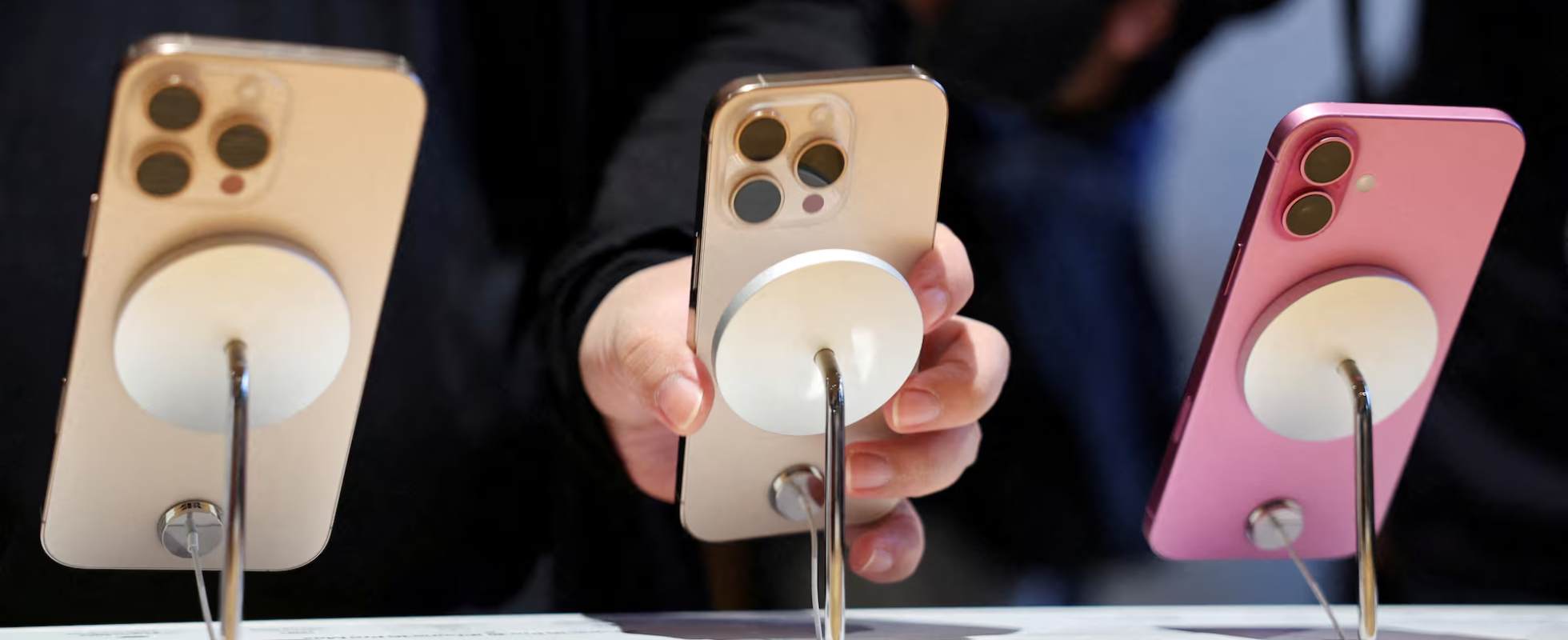
In stark contrast, Apple’s iPhone emerged as what Geekerwan called “the honest kid.” Testing showed no special tuning whatsoever. Due to iOS 18.1 and 18.2 performance optimizations, newly tested retail units actually performed better than original media units. The iPhone 16 Pro Max demonstrated the best overall energy efficiency, maintaining stable performance with no frame drops and total device power consumption of just 5.1 watts, far lower than major Android models.
Geekerwan suggested that limited improvements in the current generation Snapdragon 8 Elite and Dimensity 9400 chips have made it difficult for manufacturers to create noticeable performance gaps, potentially driving the manipulation.
The video, released during the Chinese New Year holiday when public relations teams were on break, initially gained significant traction. However, within days of the holiday ending, the 30-minute review was removed from Bilibili. Backup copies uploaded to Baidu Cloud were blocked, and even reuploads were gradually taken down. The video was later made private on YouTube, where Geekerwan has nearly 600,000 subscribers.
This is not the first time Chinese manufacturers have faced such accusations. In 2014 and again in 2018, Huawei devices were removed from 3DMark rankings for performance manipulation.
Industry observers note that following the scandal, major Chinese smartphone brands announced price increases for March 2026, citing memory chip costs that have risen more than 80 percent compared to the previous year.


