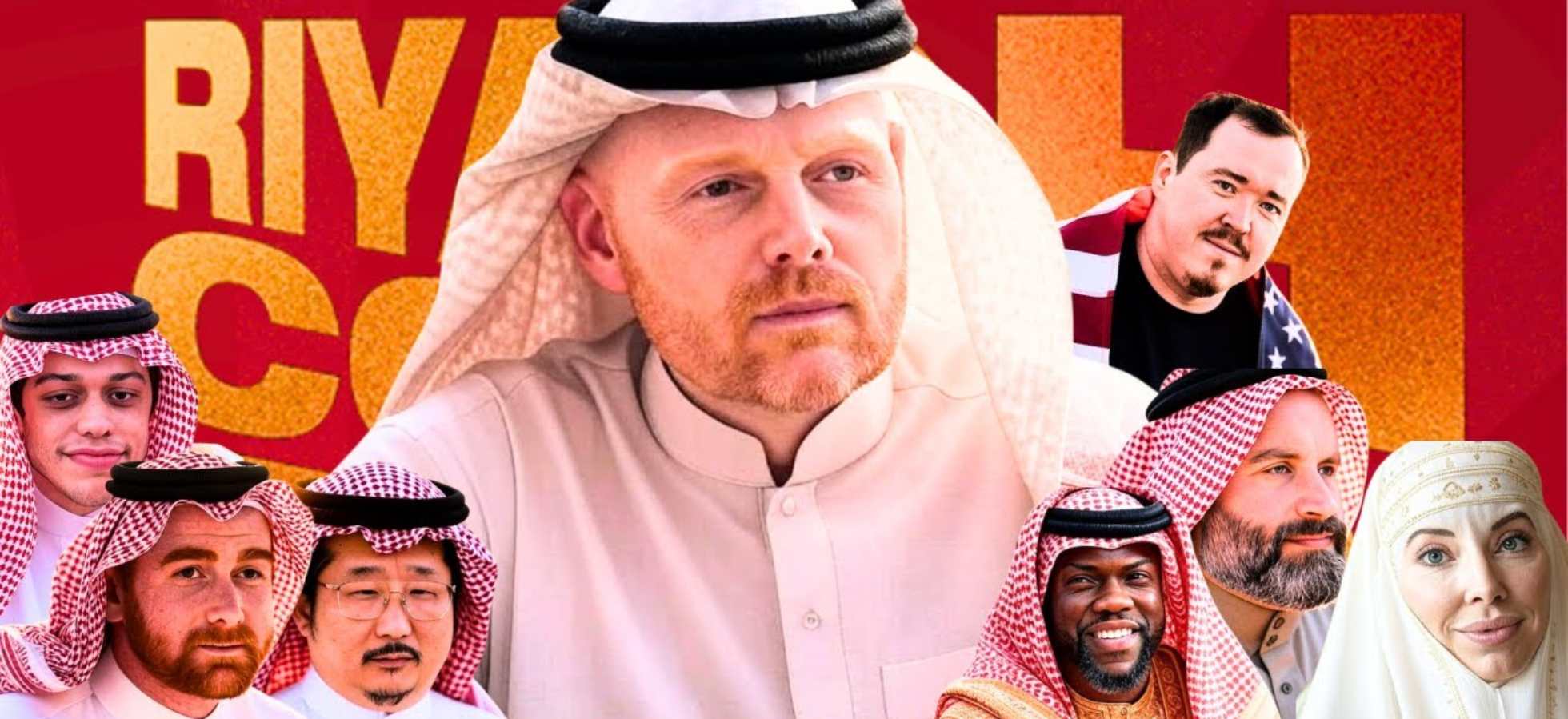
The Riyadh Comedy Festival has ignited fierce controversy within the comedy world, exposing the uncomfortable truth about how easily principles can be abandoned for profit. Running from September 26th to October 9th in Saudi Arabia’s capital, the event featured dozens of prominent comedians who accepted payment from a regime notorious for human rights violations. Despite the backlash, many performers have offered justifications that crumble under scrutiny.
The festival was directly funded by the Saudi government as part of a broader “sportswashing” and reputation-laundering campaign. This critical context demolishes the central defense many comedians deployed: that they were performing “for the people” rather than the regime.
When a government creates and finances an event specifically to improve its international image, every participant becomes complicit in that propaganda effort, regardless of their stated intentions.
Several comedians claimed they wanted to “start a dialogue” or push Saudi Arabia in a more progressive direction. Aziz Ansari told Jimmy Kimmel that a comedy festival “felt like something that’s pushing things to be more open.”
Louis C.K. similarly argued that comedy is “a great way to get in and start talking.” This reasoning is fundamentally dishonest. The Saudi regime wasn’t interested in genuine cultural exchange—they wanted Western celebrities to provide cover for their oppressive policies.
Jessica Kirson‘s case illustrates this perfectly. As an openly gay comedian, she claimed her performance could help LGBTQ people in Saudi Arabia “feel seen and valued.” Yet the Saudis eagerly accommodated her request to perform gay material precisely because it advanced their propaganda goals. They could point to her presence as evidence of tolerance while continuing to persecute their own LGBTQ citizens. Kirson later admitted she “deeply regretted” participating and donated her fee to charity, though she wouldn’t specify which organization.
The hypocrisy becomes even starker when comedians acknowledged Saudi Arabia’s injustices while simultaneously defending their decision to perform there. Chris Distefano joked about his wife potentially being beheaded and joined in stoning Jewish comedians to escape safely. These weren’t just dark jokes, they demonstrated clear awareness of the regime’s nature. Yet financial incentives proved more persuasive than moral concerns.
Some performers abandoned pretense entirely. Tim Dillon openly mocked critics, announcing he was paid $375,000 for one show and declaring he was “being paid a lot of money to not care about what they do in their country.” Pete Davidson simply admitted he saw “the number” and decided to go. This brazen honesty, while refreshing compared to sanctimonious excuses about cultural bridge-building, ultimately reveals the same moral bankruptcy.
Dave Chappelle‘s participation represents perhaps the most stunning fall from principle. A comedian who once compared his dispute with Comedy Central to slavery performed for a government where human trafficking and forced labor remain widespread. He even claimed it’s “easier to talk in Saudi Arabia than it is in America” during a set where he was contractually prohibited from criticizing the Saudi leadership or religion.
The festival contract’s restrictions on free speech expose the absurdity of claims about pushing boundaries. Comedians couldn’t criticize the government, religion, or even acknowledge certain realities about the country. When Tim Dillon mentioned slaves and Jim Jefferies referenced an executed journalist, both were removed from the lineup. The message was clear: praise was welcome, but truth was forbidden.
These comedians, who position themselves as free speech warriors and social commentators, revealed the limits of their courage when faced with authoritarian demands. They accepted restrictions they would never tolerate in Western countries, all while collecting massive paychecks and participating in promotional activities praising the regime.
The excuses have been thoroughly debunked. This wasn’t about cultural exchange, starting conversations, or supporting oppressed populations. It was about wealthy entertainers choosing money over principles, then attempting to rationalize that choice with hollow justifications that insult the intelligence of their audiences and the suffering of Saudi Arabia’s actual victims.