
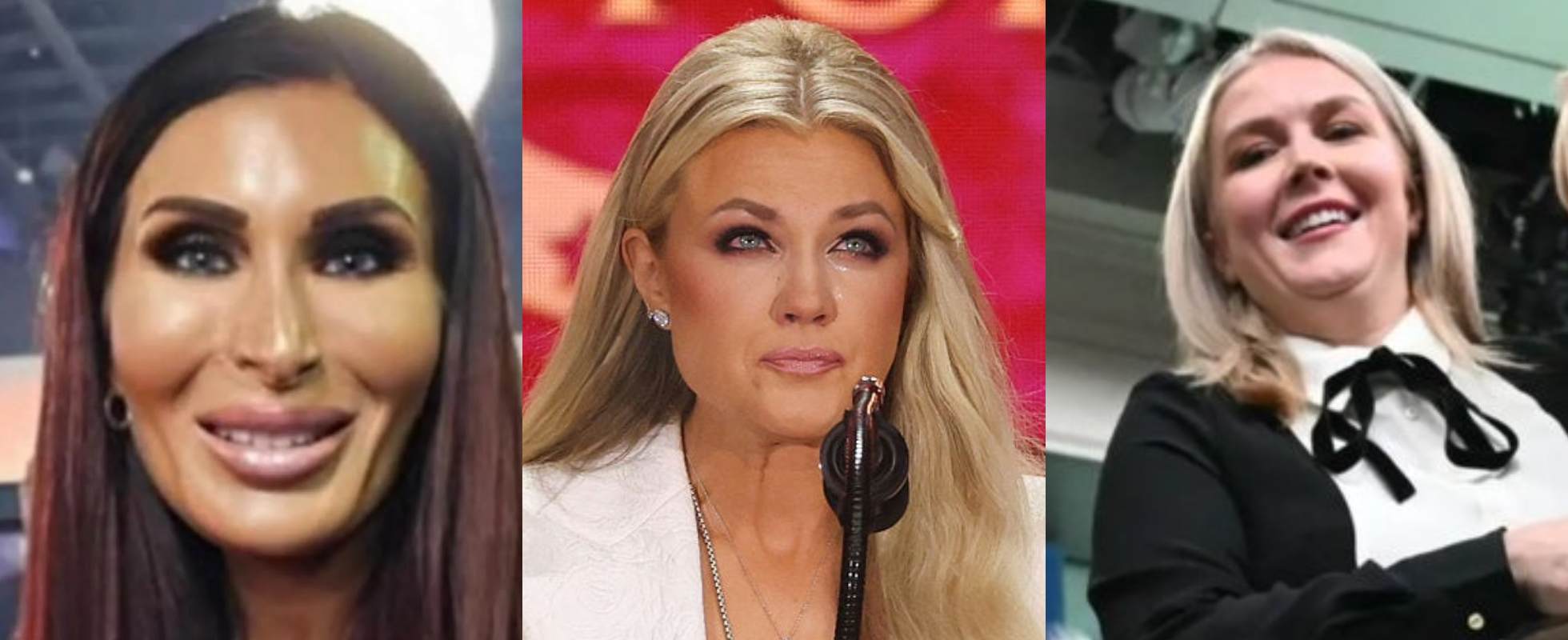
A viral sketch from comedian Druski has generated a massive conversation. Widely interpreted as a parody of conservative commentator Erika Kirk, the sketch quickly gained traction online, racking up millions of views and tens of thousands of retweets.
Commentary duo Aba Atlas and Erich Preach later dissected the video on their show. In their view, women in conservative political spaces appear, to undergo significantly more cosmetic procedures than their liberal counterparts.
“How are the liberal women in politics seemingly less plastic surgery than the conservative women?” Aba asked during the discussion. “They have the whole concept of Mar-a-Lago face.”
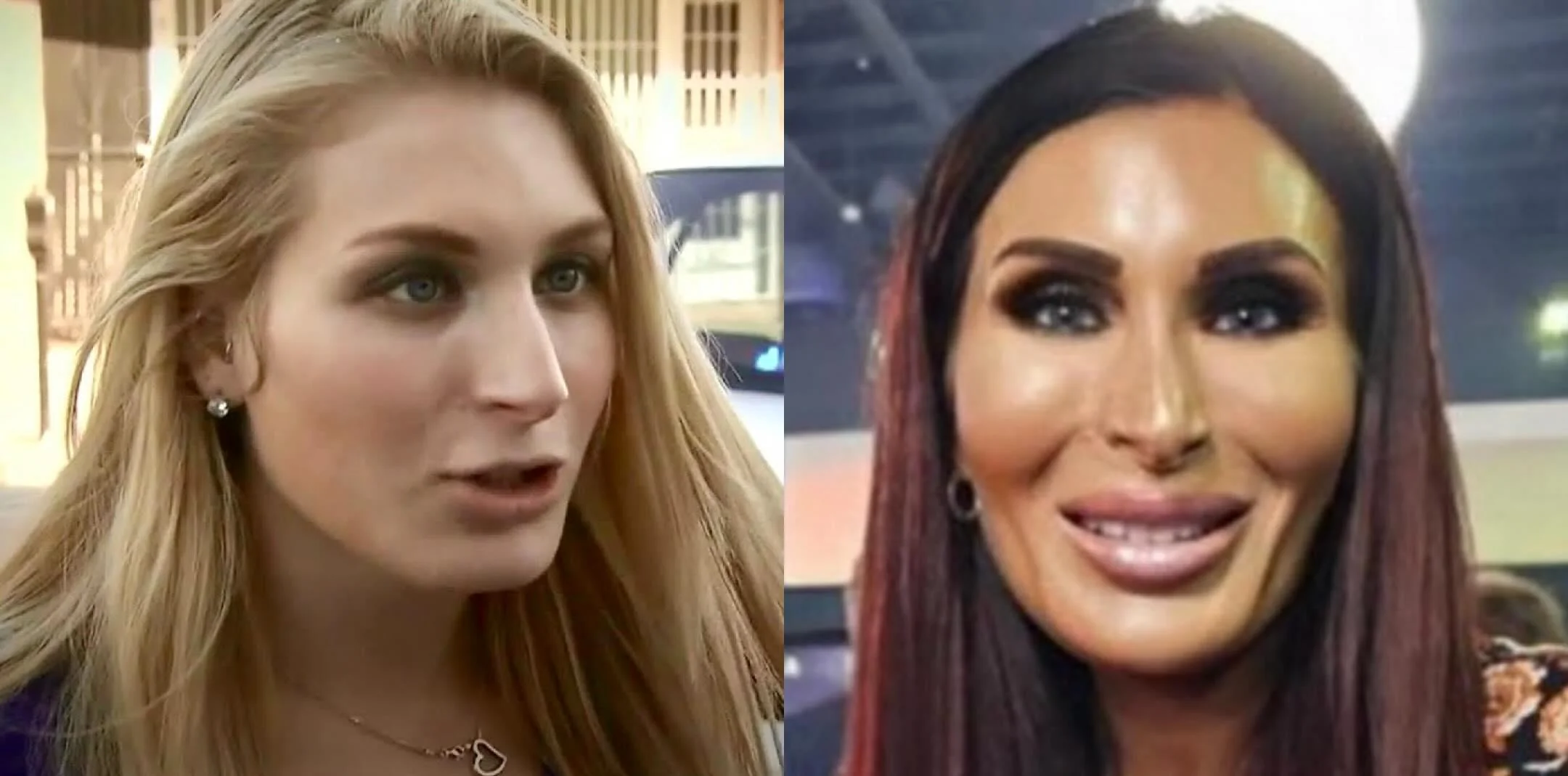
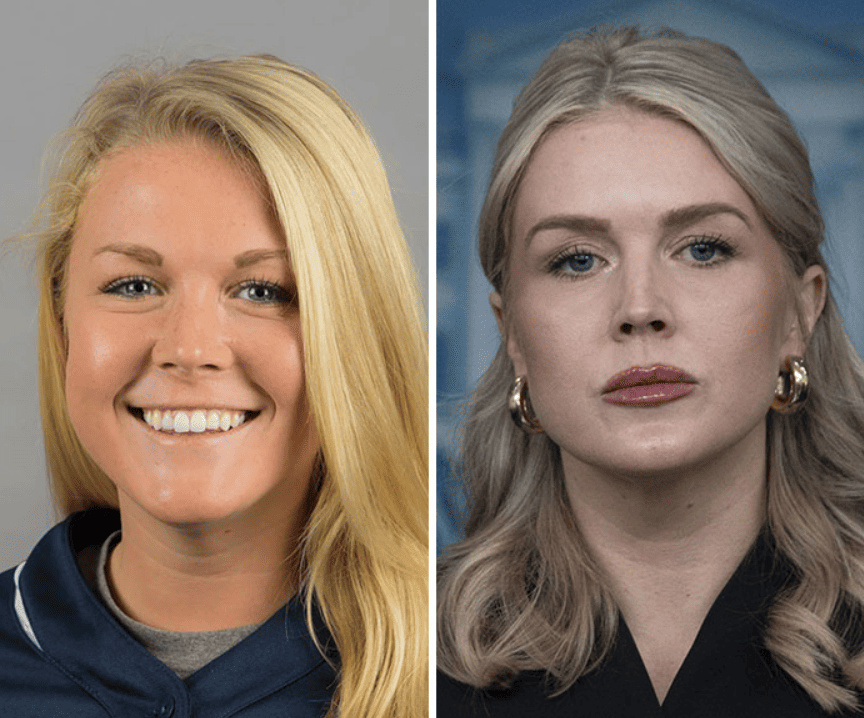
The phrase “Mar-a-Lago face” has become shorthand online for a highly polished, heavily altered appearance often associated with certain right-wing social circles. It typically involves procedures like nose jobs, lip fillers, Botox, and jawline enhancements.
For the duo, the issue was not about condemning cosmetic procedures themselves, but about what they saw as a contradiction between messaging and presentation.
“It’s not even to shame plastic surgery,” Aba explained. “I just think it’s interesting that there’s an incongruence between this conservatism ideal and the way they portray themselves.”
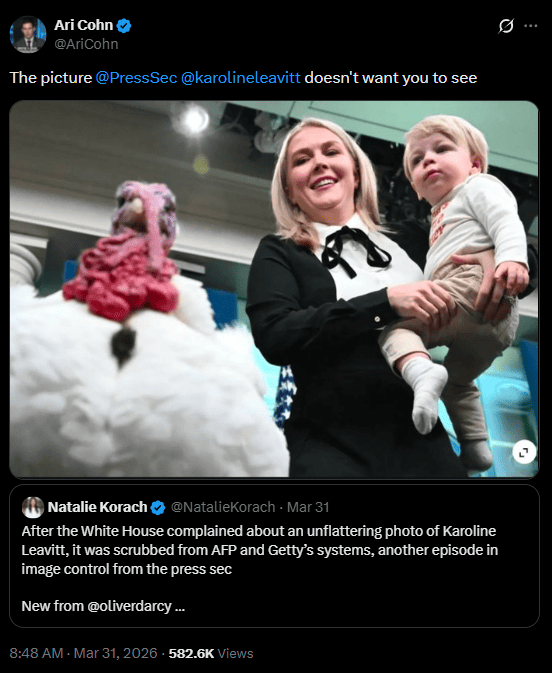
In a related episode involving image management, the White House reportedly complained after an unflattering photo of Press Secretary Karoline Leavitt circulated online. Following the complaint, the image was removed from the distribution systems of major wire services, including Agence France-Presse and Getty Images.
The move drew criticism on social media, where users on X reposted the photo and argued that attempts to control imagery of public officials risked amplifying the very attention they sought to limit.
Conservative voices have frequently pushed back against gender transitions and other forms of body modification, often framing their position around accepting one’s natural or biological state. Yet, as Aba observed in his video, “all these women change their face so much to look like Hollywood versions of liberal women.”
According to Aba N Preach, Druski’s sketch was doing more than simple mockery. In their interpretation, it highlighted how some conservative and religious-right women in political spaces “really focus on aesthetic, really focus on showmanship and flashiness,” potentially straying from the foundational principles of Christianity and traditionalism they publicly promote.
“Everything about this was like WWE when it came to Erika Kirk,” Atlas said, referencing what he described as an exaggerated, performance-driven style in her public persona.
The critique also extended to the use of religion as part of political branding. He argued that visible displays of wealth and spectacle can clash with religious messaging centered on humility.
“You can’t say Jesus’ name every day while wearing the fanciest brand names and doing all this pyrotechnics,” he said. “That’s vanity.”
Conservative commentator Brandon Tatum offered one of the more measured responses to the situation. Rather than calling for backlash, he acknowledged that Druski’s comedy was genuinely funny and noted that he had previously laughed at similar jokes targeting other groups.
“I didn’t mind laughing when he made fun of white hillbillies at Talladega,” Tatum said. “I also can’t think he should be cancelled because it’s somebody I know.”
As Aba ultimately put it: “Why doesn’t conservatism look conservative? Talk to me about that.”