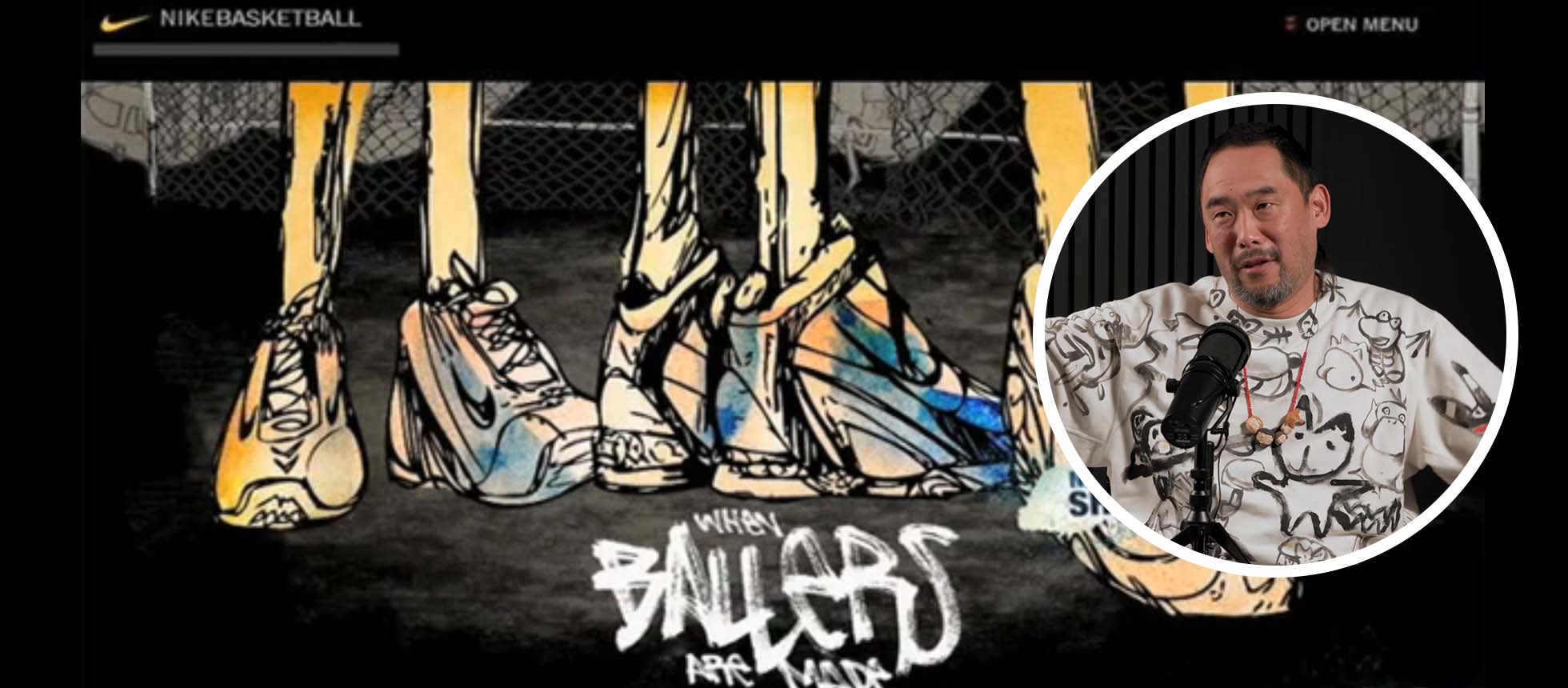
Artist David Choe has never followed conventional paths, and his approach to getting paid by major corporations is no exception. During a recent conversation on the Huberman Lab podcast, Choe shared a striking anecdote about working with Nike that highlights the challenges creative professionals often face when dealing with large companies.
According to Choe, after completing commissioned artwork for Nike, the sportswear giant failed to send payment as agreed. Rather than pursue traditional legal channels or accept the situation, Choe took a confrontational approach that reflected his street artist roots and refusal to be dismissed.
“I had to threaten Nike with blowing up their entire parking lot before they paid me,”
Choe stated. He explained that after delivering the requested drawings on time, he received the standard corporate runaround about checks being “in the mail.” Growing frustrated, Choe contacted Nike’s Oregon headquarters directly with an ultimatum that left no room for misinterpretation.
“I called Widen and Kennedy and said, ‘I live in LA. It’s going to take me this many hours to drive up there, and I’m going to blow up every car in your parking lot. I don’t know which one is yours, but I’m taking them all out,'”
he recalled. The check arrived by mail the very next day.
This was not an isolated incident in Choe’s career. He recounted similar payment disputes with other major brands, noting a pattern where corporations would commission work from artists, receive the finished product, and then delay or avoid payment.
“Most artists just get overlooked and never get paid what they deserve,”
Choe observed, highlighting a systemic problem in the creative industry.
Choe’s willingness to push boundaries extended to his experience with Warner Brothers. After creating the album cover for the Jay-Z and Linkin Park collaboration, he discovered the company was using his artwork far beyond the originally agreed scope on billboards, magazine advertisements, and promotional materials without additional compensation. When he raised the issue with Warner Brothers’ legal department, he was met with condescension and threats rather than fair negotiation.
Choe’s aggressive negotiating tactics stem from watching his mother operate as a businesswoman while he was growing up. He described how she would transform herself before important meetings, projecting confidence and wealth regardless of their actual financial situation.
“She would open the trunk of her Toyota hatchback with the broken window and put on fake jewelry because she was about to go ask for a lot of money,”
he recalled. That lesson in shapeshifting and refusing to accept less than what you deserve clearly stuck with him.
While Choe’s methods may sound extreme, they reflect a deeper frustration many artists experience when their work is undervalued or disrespected by corporate entities with vast resources. His approach, though unconventional, ultimately proved effective in securing the compensation he had earned.