
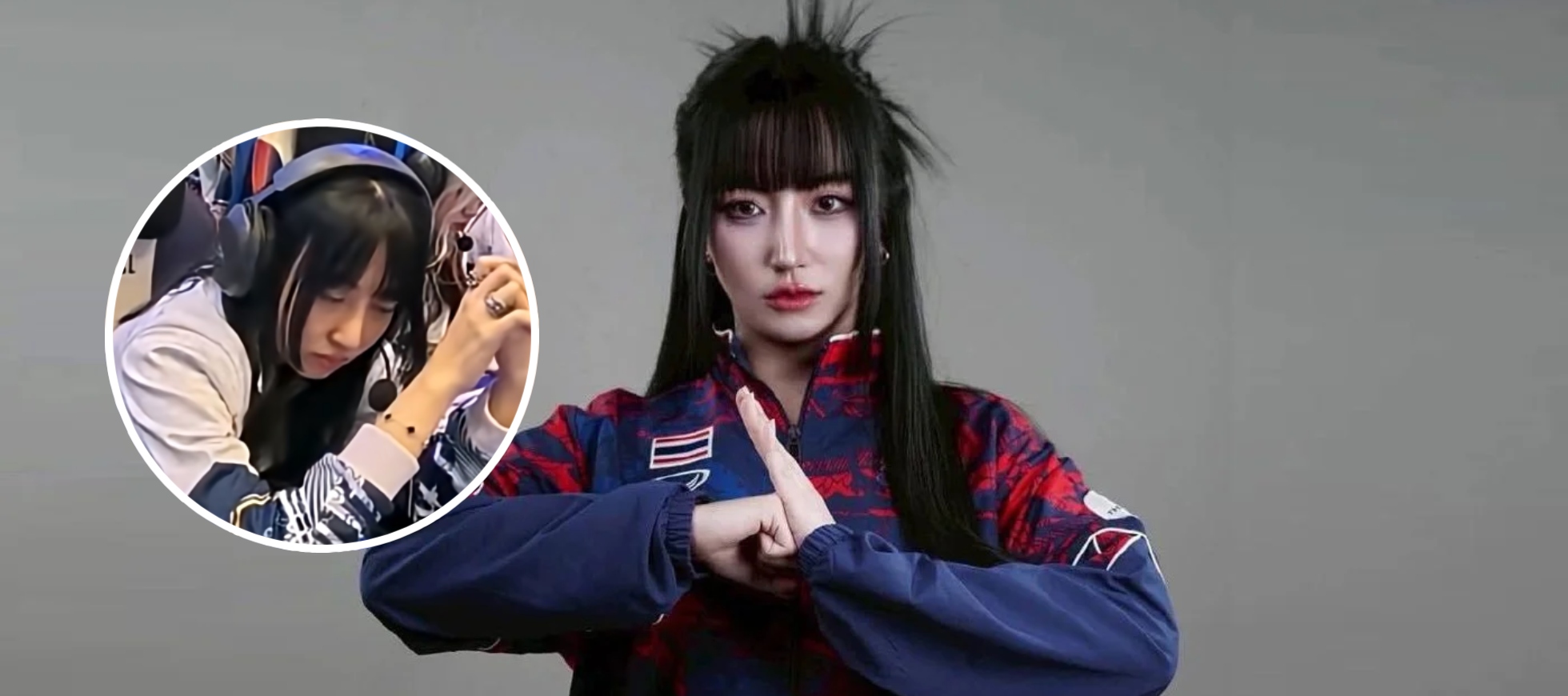
In December 2025, the Southeast Asian Games witnessed one of the most elaborate deceptions in competitive gaming history. A rising Thai esports athlete named Warasin Naraphat (better known as Tokyogurl) competed at the regional tournament without ever actually playing the game herself, using remote assistance technology to maintain the facade throughout her entire professional career.
Tokyogurl had built an impressive reputation in Arena of Valor, one of Southeast Asia’s most popular mobile games. The title, developed by Tencent and published by Garena, generates billions in revenue and maintains a dedicated competitive scene across the region. Her apparent skill earned her a contract with Talon Esports, a prominent organization, and eventually a position on Thailand’s national team for the 2025 Southeast Asian Games.
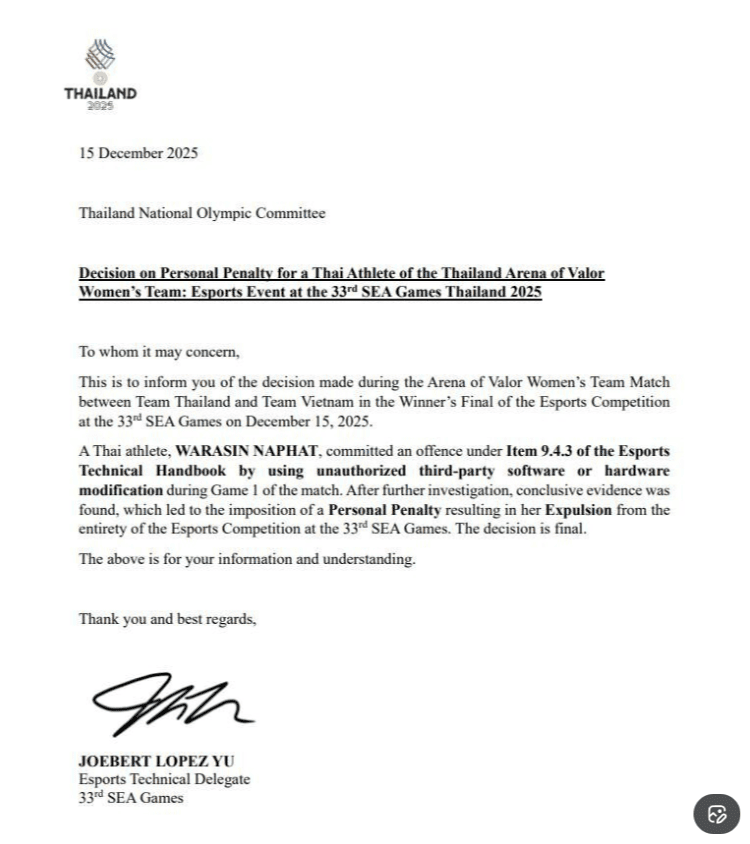
The deception unraveled during a critical semifinal match between Thailand and Vietnam on December 15th. Staff members noticed discrepancies between Tokyogurl’s hand movements and the actions appearing on screen during the live broadcast. After officials paused the match to investigate, they discovered she was using Discord to receive a screen share from someone playing remotely while she attempted to mimic their movements on her assigned tournament device.
Following the discovery, Tokyogurl’s performance deteriorated dramatically. Thailand lost the match 0-3, and within hours, the Thailand National Olympic Committee expelled her from the competition. The incident proved particularly humiliating as Thailand was hosting the games on home soil, where they historically hold the most medals in the competition’s history.
The scandal’s impact extended far beyond one player. Thailand’s women’s Arena of Valor team withdrew entirely from the tournament despite qualifying for the finals, finishing with zero medals. Talon Esports terminated Tokyogurl’s contract and required her to repay approximately nine months of training expenses. Garena banned her indefinitely from all Arena of Valor competitions.
On January 2nd, 2026, Tokyogurl’s boyfriend, Cheerio, a former Arena of Valor professional player, confessed to being the remote player throughout her career. In his statement, he accepted responsibility and apologized to Thai citizens, the esports community, and all affected parties. Thai Esports Association president Santi Latong confirmed plans to pursue legal action against both individuals, with investigators tracking IP addresses to build evidence.
The revelation exposed systemic vulnerabilities in how online esports competitions verify player identity. Teammates later recalled warning signs: Tokyogurl rarely attended in-person training sessions, her streams never showed her hands or screen, and she consistently made excuses to avoid face-to-face gameplay. However, her strong online performance and endorsements from community figures led to her national team selection without formal tryouts.
The controversy particularly damaged prospects for female competitors in Thai esports. Teams that lost to Tokyogurl in qualifiers had unknowingly been denied their chance to represent Thailand. Female content creator and former athlete Frozen Kiss expressed frustration that substitution problems continue to plague women’s competitive gaming, undermining legitimate athletes’ efforts and credibility.