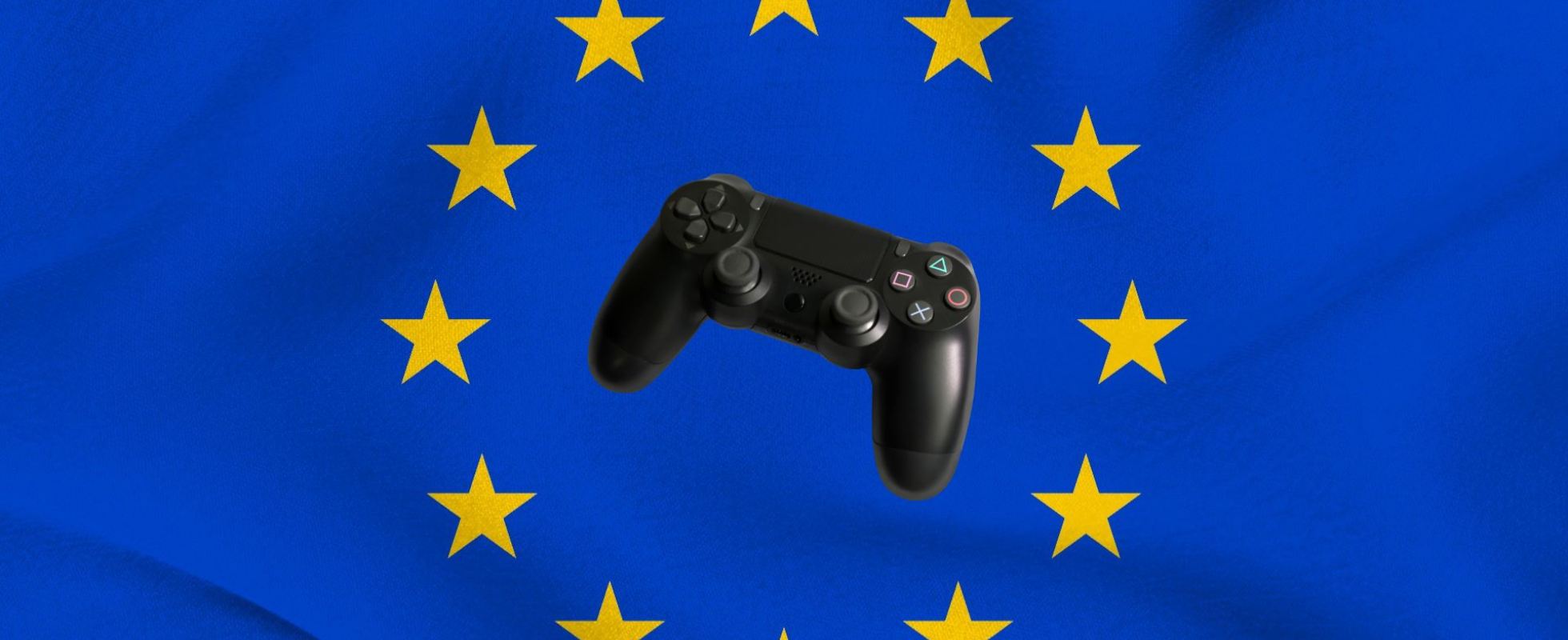
A grassroots campaign demanding that video game publishers preserve players’ purchased titles has reached a major milestone, securing enough verified signatures to trigger formal debate in the European Commission.
The Stop Killing Games initiative, launched in 2024 by YouTuber Ross Scott of Accursed Farms, has collected 1.294 million verified signatures from European Union citizens. According to sources, the movement began after Ubisoft announced plans to shut down its always-online racing title The Crew, rendering the game permanently unplayable for customers who had purchased it.

The campaign’s central argument is straightforward: when consumers buy a game, they should retain access to it, and publishers shouldn’t have the power to destroy products customers have already paid for. Similar situations have affected other titles including Anthem and Concord, where server shutdowns meant the end of playability despite players’ financial investment.
“The basic message is when you buy a copy of a game, you should get to keep it, and publishers shouldn’t be able to destroy what you already paid for,” Scott explained. “This concept is so basic it’s still a joke we even have to fight for this. So don’t let the industry throw you off the scent, especially in the future. If something doesn’t pass the smell test, push back.”
The campaign focused on Europe rather than Scott’s home base in the United States, where legal changes appeared unlikely. Organizers hoped that policy shifts in Europe could prompt worldwide changes, similar to how Australia’s consumer protection actions forced Steam to implement refund policies globally.
Germany led participation with 233,180 signatures, the highest count among EU member states. The verification process took months, as organizers needed to ensure each signature came from legitimate European supporters rather than well-meaning participants from outside the region or bad-faith actors attempting to undermine the effort.
Moritz Katzner, posting on the r/StopKillingGames forum, noted that the team had planned a coordinated announcement alongside a redesigned website and other updates. “We intended to reveal everything through a video, alongside a redesigned website, a restructured Discord, and several other updates that, ironically, I still can’t talk about just yet,” Katzner wrote. “Please be patient with the team. We do this because we believe in it, and because we believe what we’re doing is right. None of us are paid for this. We all have jobs, families, and responsibilities, and for some, the past weeks have been rough. Keep that in mind.”
However, campaigners acknowledge that reaching the signature threshold doesn’t guarantee legislative change. When Stop Killing Games received debate in the UK Parliament on November 3, 2025, Members of Parliament agreed that publishers should “provide routes for players to retain or repair games” and acknowledged that shutting down servers for online-only titles amounts to erasing “a cultural and artistic heritage that is vital to society.” Despite this recognition, no legal amendments resulted from the discussion.
The video game industry has actively opposed the initiative. Video Games Europe, an industry organization, has argued that offering private servers or single-player modes would be “too expensive for developers and publishers.” The group also contended that community-run alternatives “could present legal liabilities for companies.”
Campaign organizers view this industry resistance as evidence that their efforts are having an impact. Ross and other supporters argue that the pushback demonstrates publishers feel genuine pressure from the movement, suggesting the campaign still has potential to create meaningful change.
Crossing the one million verified signature threshold means the European Commission must now formally consider the initiative for debate, bringing the question of digital ownership rights to one of the world’s most influential regulatory bodies. Whether this leads to actual legal protections for game purchasers remains uncertain, but the campaign has successfully elevated the conversation about what consumers actually own when they buy digital products.