ByteDance’s ambitious leap into AI-generated video has collided with Hollywood’s protective wall around its most valuable intellectual property, prompting the Chinese tech giant to scramble for damage control.
According to sources, the controversy started after Disney dispatched a cease-and-desist letter on Saturday accusing ByteDance of a “virtual smash-and-grab of Disney’s IP,” according to a source. The complaint centered on Seedance 2.0’s apparent ability to conjure videos featuring Disney-owned characters from the Marvel and Star Wars universes.
ByteDance responded Sunday with a conciliatory statement. “ByteDance respects intellectual property rights, and we have heard the concerns regarding Seedance 2.0,” the company told. “We are taking steps to strengthen current safeguards as we work to prevent the unauthorised use of intellectual property and likeness by users.”
Disney had also sent comparable legal demands to Google in December, which resulted in restrictions on generating Disney-owned characters through Google’s Nano Banana and Gemini AI services. Hollywood studios have watched nervously as generative AI tools have grown increasingly sophisticated at replicating protected characters and celebrity likenesses without authorization.
The tension reached a boiling point when AI-generated videos featuring major Hollywood stars began circulating widely. One particularly viral creation depicted Brad Pitt and Tom Cruise in an intense confrontation.
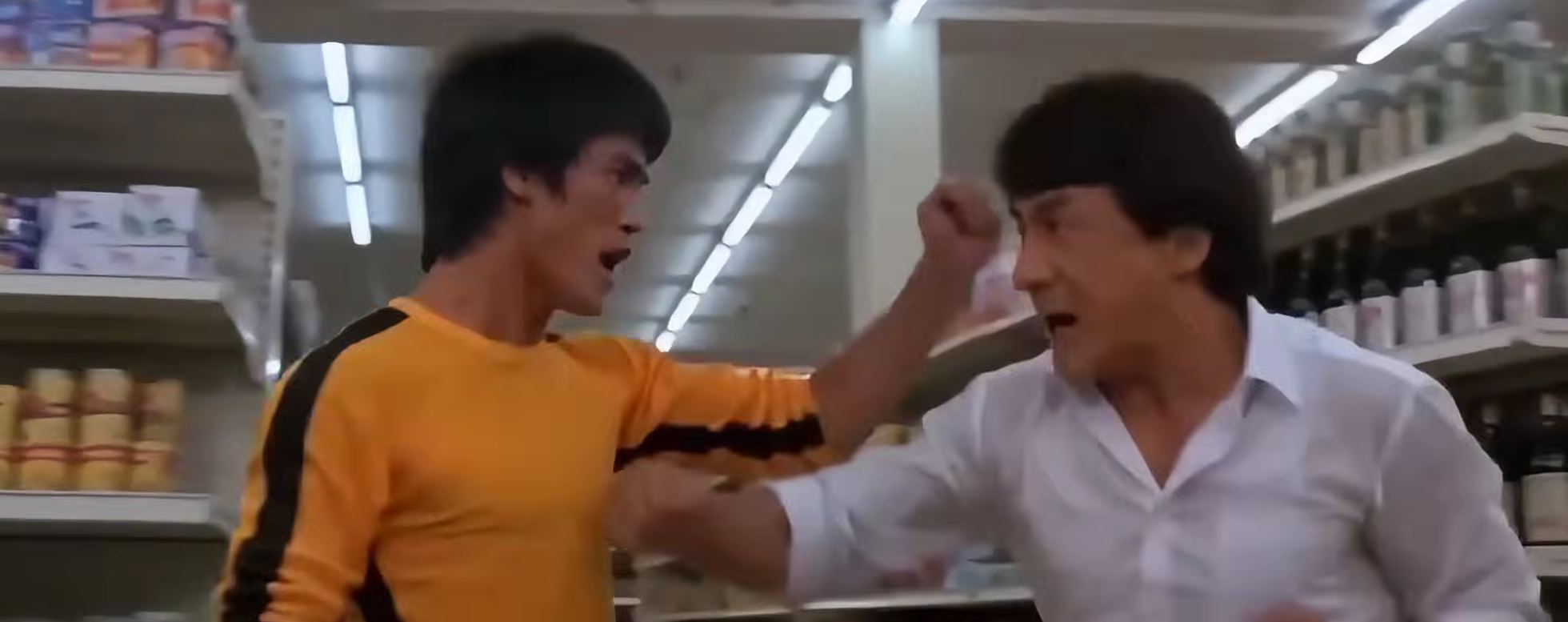
Yet even as ByteDance moves to restrict celebrity and copyrighted character generation, users have discovered creative workarounds that stay within legal boundaries while still producing attention-grabbing content. The platform has witnessed a surge of videos featuring martial arts icons Jackie Chan and Bruce Lee in imagined scenarios, including one popular clip showing the two legends competing over a bottle of ketchup.
Another widely shared creation places Keanu Reeves in a physical altercation with Joe Rogan. The two are shown inside the podcast host’s well-known studio.
The company has not revealed what data is used to train Seedance. However, ByteDance previously stated that the platform had already disabled users’ ability to upload images of real people. The company also maintained that it respects intellectual property rights and copyright protections, adding that it takes any potential infringement seriously.