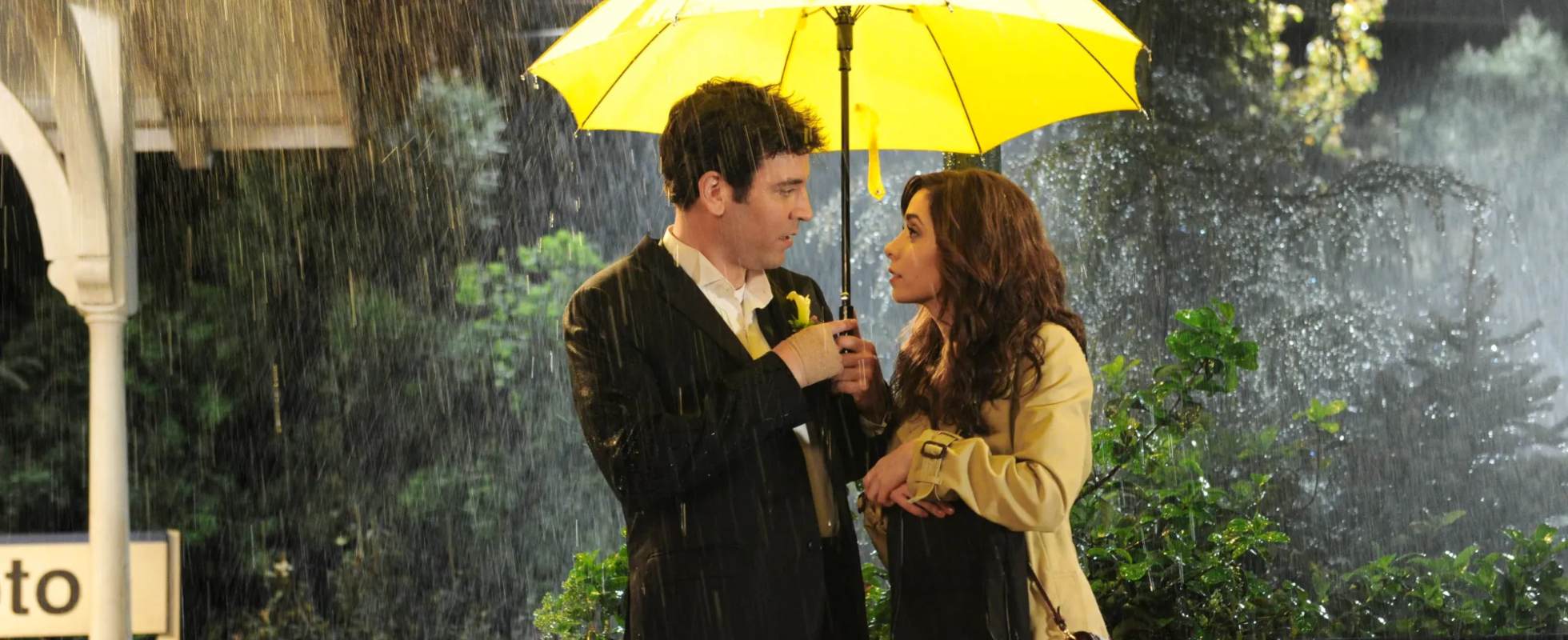
When Rainn Wilson sat down with Josh Radnor on the Soul Boom podcast, the conversation eventually turned to the cultural weight both actors carry as faces of two defining American sitcoms.
Wilson opened the critique of How I Met Your Mother directly: “There’s some kind of messed-up ideas about romance in that show, of Waiting for the One, right? And like how dating works and how men treat women, you know, Neil Patrick Harris’s character and stuff like that.”
Radnor did not deflect. He acknowledged that Barney Stinson, as portrayed by Harris, presented a version of masculinity that landed differently than the writers intended.
“The writers of How I Met Your Mother were not Barney. They were kind of writing a parody of hyper masculinity,” he said. “Neil played him with such panache and such like seductive kind of this quality that confused people.”
The character of Ted Mosby also drew scrutiny. Radnor acknowledged that Ted’s relentless pursuit of a soulmate carried something closer to compulsion than romance. He said, “He was falling in love on the first date and wanting to get married to everyone,” he said, later adding that Ted “was also looking to save himself, the ultimate kind of codependent.”
He traced this to what he called one of the more damaging lines in modern pop culture: “The ‘you complete me’ from Jerry Maguire, I love that movie but it’s one of the more damaging lines.”
Wilson framed the problem in cultural terms: “Culturally, how romance has become this God, finding the soulmate.”
Radnor carried the thought further, warning about the consequences of placing that burden on another person: “Anyone you make into a god will become a demon. You’re going to have to punish them when you realize that they’re not the god you made them into.”
Both men connected those distorted expectations to the current dating landscape. Wilson said, “When I talk to young people trying to date right now, it sounds like misery.”
Wilson agreed without hesitation: “It is he ll. I mean, not just the apps, but the way that people ghost each other and what their expectations are and the lack of intimacy. It’s just awful.”
The conversation then turned to The Office. Wilson recounted how a nuanced discussion became a tabloid headline: “I recently had a thing where I spoke about some Office episodes that couldn’t get made today and the headlines were ‘Rainn Wilson: The Office is racist.’ There were a few moderately racist elements to a few episodes that probably wouldn’t fly today was the conversation, which is absolutely true.”
Radnor placed the blame not on the show itself but on a media culture that, as he put it, “doesn’t do nuance.”
Radnor, reflecting on his own show, offered the clearest summation of where he now stands: “I feel there’s some atoning that I’ve tried to do both, you know, personally and artistically.”