
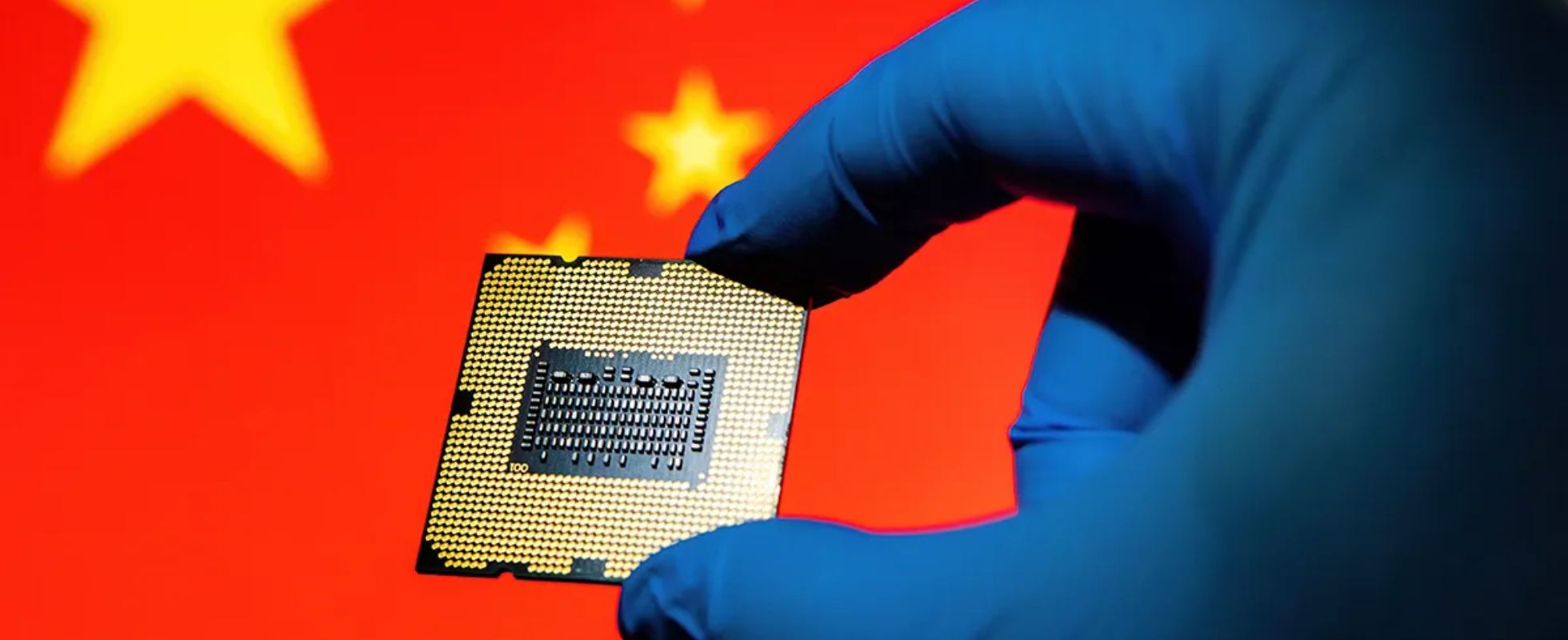
A bitter internal clash has erupted within Republican ranks as prominent pro-Trump voices launch attacks against Rep. Brian Mast over his proposed legislation targeting artificial intelligence chip exports to China.
According to sources, the Florida congressman, who chairs the House Foreign Affairs Committee, introduced the AI Overwatch Act to establish new congressional oversight on sales of advanced AI technology to Beijing. But the bill has ignited fierce resistance from MAGA influencers who claim it undermines President Trump’s executive authority.
Laura Loomer issued a scathing assessment of the proposal, arguing it represents “pro-China sabotage disguised as oversight.” She warned that the measure “yanks control of advanced AI chip exports away from President Trump who is aggressively blocking CCP access to these chips, and instead hands veto power to Congress.”
The AI Overwatch Act (H.R. 6875) may sound like a good idea, but when you examine it closely, it’s pro-China sabotage disguised as oversight.
What will this bill do? It yanks control of advanced AI chip exports away from President Trump who is aggressively blocking CCP access to… pic.twitter.com/V0PZdKpHLX
— Laura Loomer (@LauraLoomer) January 16, 2026
The controversy intensified after David Sacks, a White House adviser on artificial intelligence and cryptocurrency, endorsed criticism suggesting the legislation would weaken presidential power. When another user claimed the bill would “take away President Trump’s authority as Commander in Chief,” Sacks simply replied: “Correct.”
Mast responded by defending his constitutional role. His responsibility, he indicated, involves exercising independent judgment rather than deferring to technology company interests or administration officials.
The dispute centers on how strictly the United States should control exports of cutting-edge semiconductor technology. Mast’s legislation would create a 30-day review process before certain sales could proceed, granting Congress potential veto authority over transactions the administration might otherwise approve.
Loomer expressed particular concern about future implications. “When the Democrats take back the House in 2026, Hakeem Jeffries could greenlight sales of these chips to China or delay Trump’s America First crackdown to help our adversaries,” she wrote.
She also pointed to support the bill has received from figures she characterized as administration opponents. “What’s alarming is the fact that the bill is largely being supported in the media by Never-Trumpers, ex-Biden staffers, and Democrat AI executives like Anthropic’s Dario Amodei, who called President Trump a ‘feudal warlord’ and supported Kamala Harris for President in 2024,” Loomer stated.
Nvidia, the dominant manufacturer of AI chips, entered the debate with its own concerns. A company representative cautioned that overly restrictive policies could inadvertently benefit foreign rivals already facing U.S. sanctions, while simultaneously harming American employment. The firm argued that permitting carefully vetted commercial transactions actually reinforces domestic technological leadership.
Critics within Trump’s orbit have grown increasingly vocal. One ally privately questioned whether Congress should possess authority to override presidential decisions on foreign policy matters, suggesting Mast’s approach serves Chinese rather than American interests.
Mast rejected that characterization entirely. He noted that Chinese alternatives like Huawei remain technologically inferior to American products, and insisted his proposal aims specifically at countering Beijing’s ambitions rather than advancing them.
The disagreement surfaced publicly during a recent House hearing, where Republican members questioned whether the administration should permit Nvidia to market high-performance chips in China. Rep. Michael McCaul articulated the skeptical position, arguing the United States bears no responsibility to provide advanced technology to a nation accused of systematic intellectual property theft.
The confrontation reveals deeper fractures within the GOP regarding artificial intelligence governance during Trump’s current term. Multiple attempts to establish federal AI standards have encountered pushback from legislators worried about state prerogatives and concentrated executive power. Trump’s recent executive order nullifying state-level AI regulations has already prompted legal challenges from multiple states.
“The industry is going to do their best to intimidate,” Mast told Axios. “They don’t want anything to prevent them from selling chips to China.”
Mast appears prepared for sustained opposition as his bill moves through the legislative process. The coming weeks will test whether Republican unity around competing with China can overcome disagreements about how best to achieve that goal.


