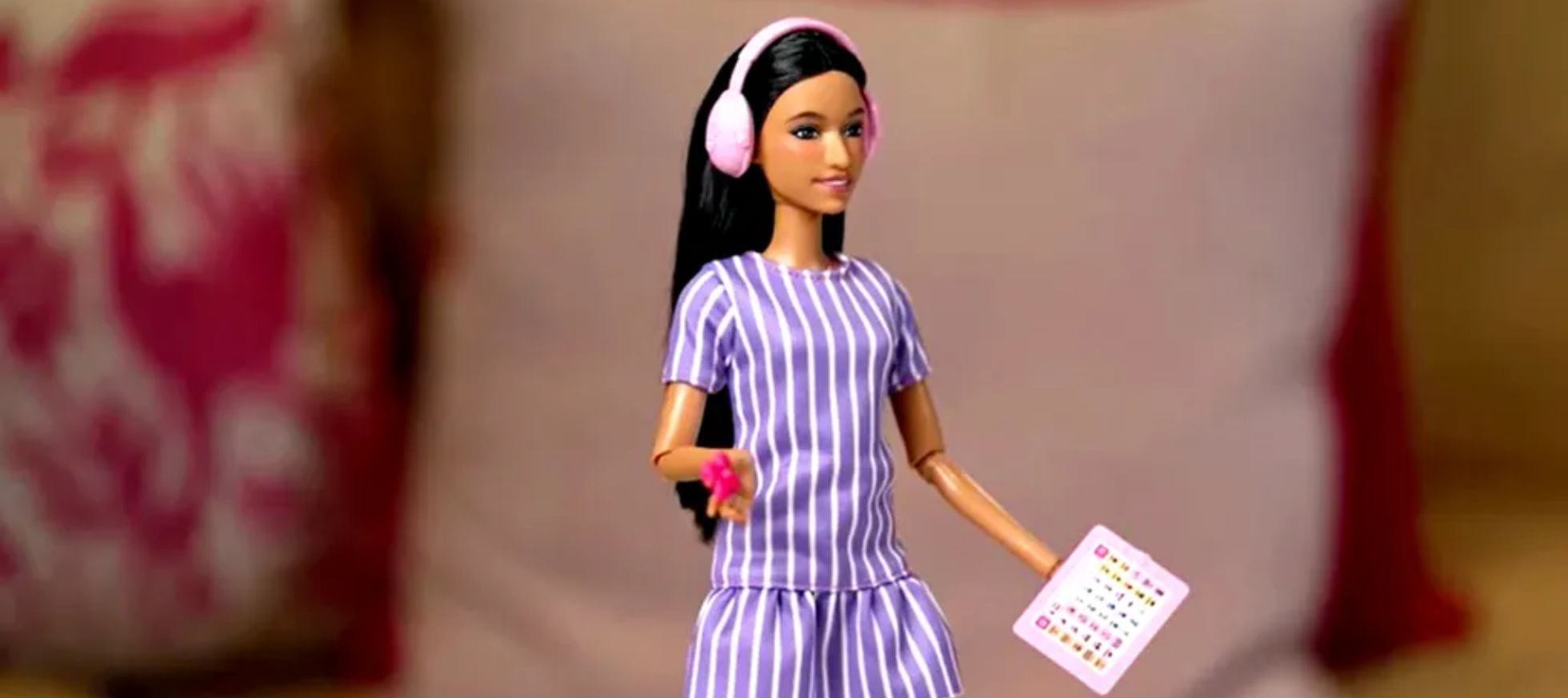
Mattel has unveiled its latest addition to the inclusive Barbie line, sparking widespread conversation across social media platforms. The new doll, designed to represent children on the autism spectrum, comes with accessories including noise-canceling headphones and a fidget toy, while featuring articulated joints that allow for increased movement and positioning.
The toy manufacturer has continued its efforts to create dolls that reflect diverse experiences and identities. However, the release has generated significant debate online about how companies should approach representation of neurological differences.
Social media users have expressed varied reactions to the product. Some questioned the fundamental approach to the doll’s design.
“I mean I get the inclusion thing, I really do. But any Barbie can be autistic, right? It’s not like there’s physical traits they need to change or something,” one user commented, highlighting a common point of confusion about whether physical modifications were necessary.
Others took issue with specific design elements. “Being autistic means wearing headphones, using electronics, and having joints!” wrote one critic, suggesting the accessories might reinforce stereotypes.
Another person questioned, “So if my elbows and wrists bend it means I have autism?”
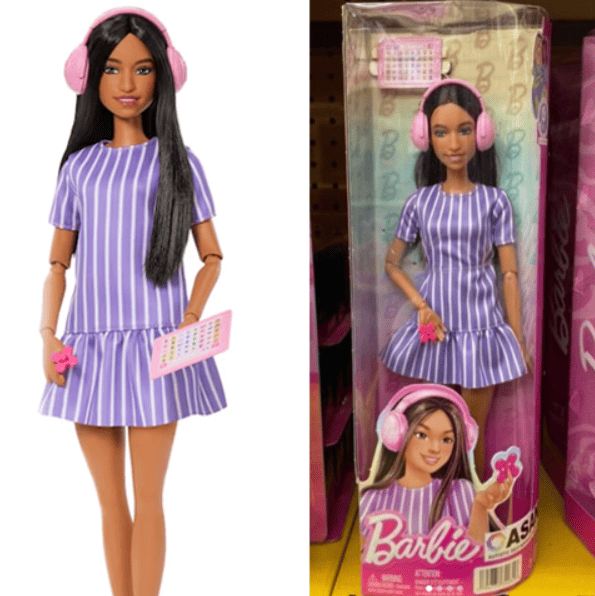
The conversation also touched on intersectionality and representation choices. Some commenters raised questions about the doll’s demographic characteristics, asking why certain decisions were made regarding appearance.
Meanwhile, some responses took a lighter tone. “Give autistic Barbie an X account, that’s where she’ll thrive,” joked one user, referencing the social media platform’s diverse user base.
Additionally, some respondents disputed Mattel’s marketing of the product as groundbreaking. When the company emphasized the novelty of this release, critics were quick to point out previous diverse offerings. “Nice try. We had a Barbie train conductor back in 2001!” one user countered, suggesting that Mattel has a longer history of varied dolls than the current campaign acknowledges.
The launch is part of Mattel’s broader push toward inclusive representation in its toy lines. The company has previously introduced dolls with wheelchairs, prosthetic limbs, and various skin conditions.
More recently, Barbie also unveiled its first doll with Down syndrome, created in partnership with the National Down Syndrome Society.
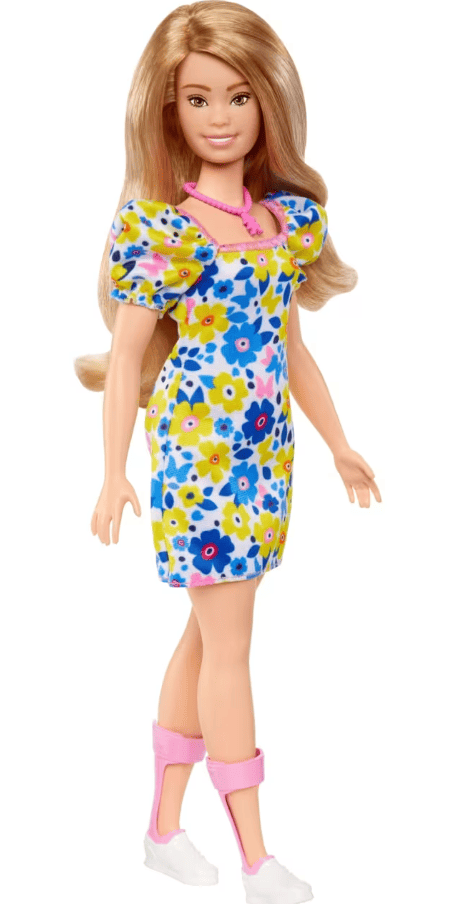
That release was marked by symbolism: butterflies on the outfit, a recognized symbol within the Down syndrome community; a blue and yellow color palette representing awareness; and a pink pendant necklace featuring three arrows to signify the third 21st chromosome, pointing outward to represent rising up and moving forward.
The doll also features pink ankle foot orthoses (AFOs) designed to support walking, paired with white sneakers that include a zipper detail to make them easier for children to put on and remove.