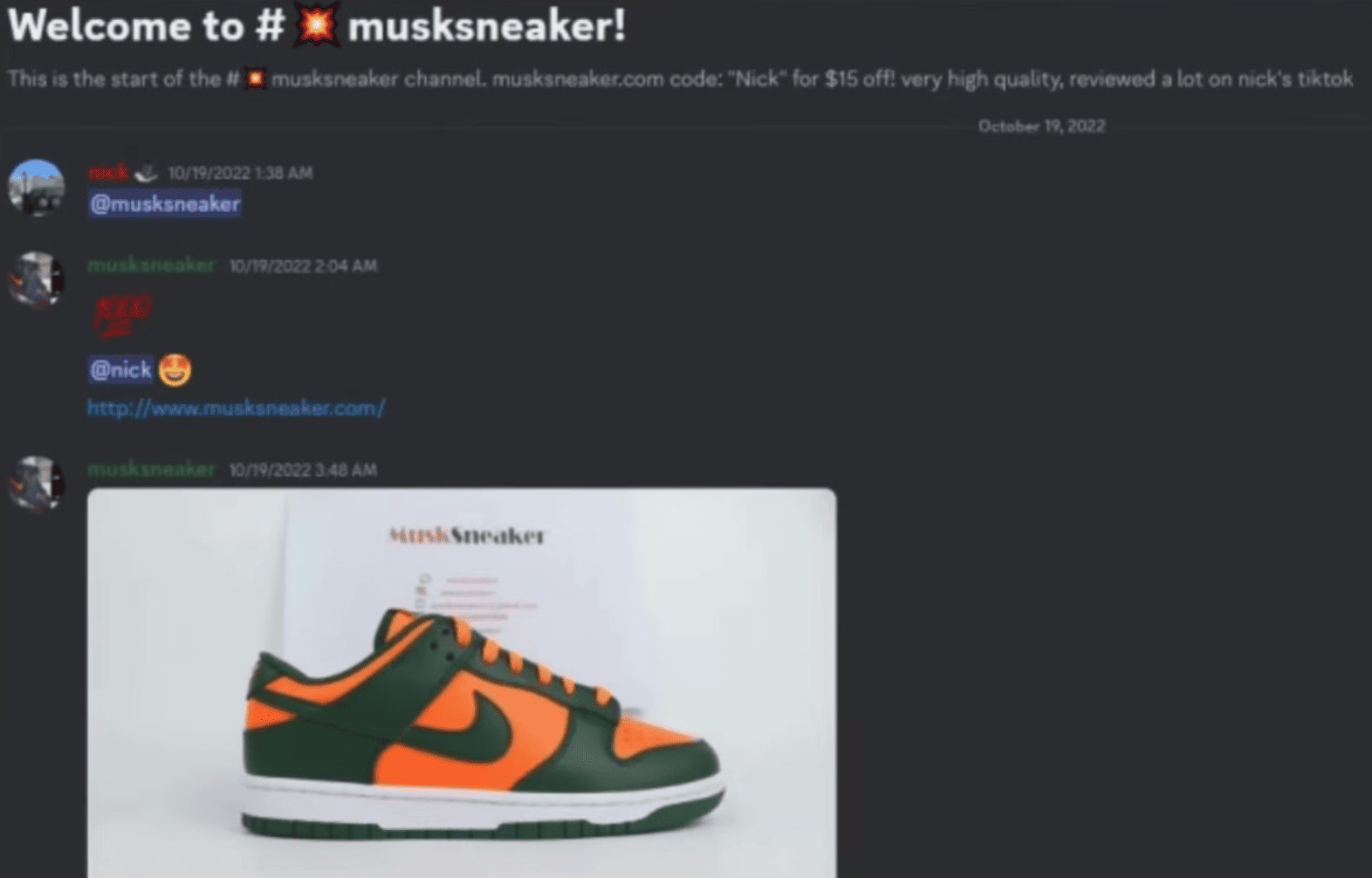

Artem Kaptur, a video editor working for YouTube content creator MrBeast, has been suspended from the prediction platform Kalshi after investigators determined he likely used privileged information to place winning bets on markets related to his employer’s videos.
Sources state that the platform froze Kaptur’s account, imposed a $20,000 fine, and handed down a two-year suspension. The case has also been reported to the Commodity Futures Trading Commission.
The allegations stem from what Kalshi’s enforcement team described as “near-perfect trading success” on bets with low odds. Kaptur reportedly wagered approximately $4,000 on markets tied to MrBeast’s content, a remarkably small sum that nonetheless raised red flags due to the uncanny accuracy of his predictions.
“We investigated and found that the trader was employed as an editor for the [MrBeast’s] show and likely had access to material non-public information connected to his trading,” said Robert DeNault, head of enforcement at Kalshi.
MrBeast, whose legal name is James Donaldson, operates one of the most-watched channels on YouTube with hundreds of millions of subscribers. His company, Beast Industries, released a statement emphasizing its strict policies against such conduct.
“We have a longstanding policy in place against employees using proprietary company information in order to safeguard the highest standards and ethics throughout our organization,” a spokesperson said.
There has been growing concerns about the integrity of prediction markets, digital platforms where users can place bets on everything from election outcomes to specific phrases appearing in online videos. These markets have exploded in popularity, with platforms like Kalshi and Polymarket processing billions in trading volume.
Unlike traditional sports betting, prediction market contracts are classified as futures and fall under CFTC regulation rather than state gambling laws. That means insider trading on these platforms is a federal offense, similar to trading stocks with privileged information. But enforcement remains challenging, relying primarily on internal monitoring by the platforms themselves.
Kalshi has opened 200 insider trading investigations in the past year alone, with 12 still ongoing. The company also recently sanctioned Kyle Langford, a former Republican gubernatorial candidate in California, for betting on his own race. Langford received a five-year ban and a $2,200 fine.
“As a candidate in a race, you can (and probably should) follow and use Kalshi’s market forecast, but you should not trade on it,” the platform stated.
The scrutiny isn’t limited to Kalshi. Polymarket, another major player in the space, has faced questions about suspicious trading patterns following a series of remarkably accurate bets on Google-related markets.
According to sources, one trader using the wallet address “0xafEe” reportedly turned approximately $10,647 into nearly $200,000 by correctly predicting that d4vd, a relatively obscure 20-year-old singer, would appear in Google’s 2025 Year in Search. The same trader also profited by betting against more obvious choices like Pope Leo XIV and Donald Trump.
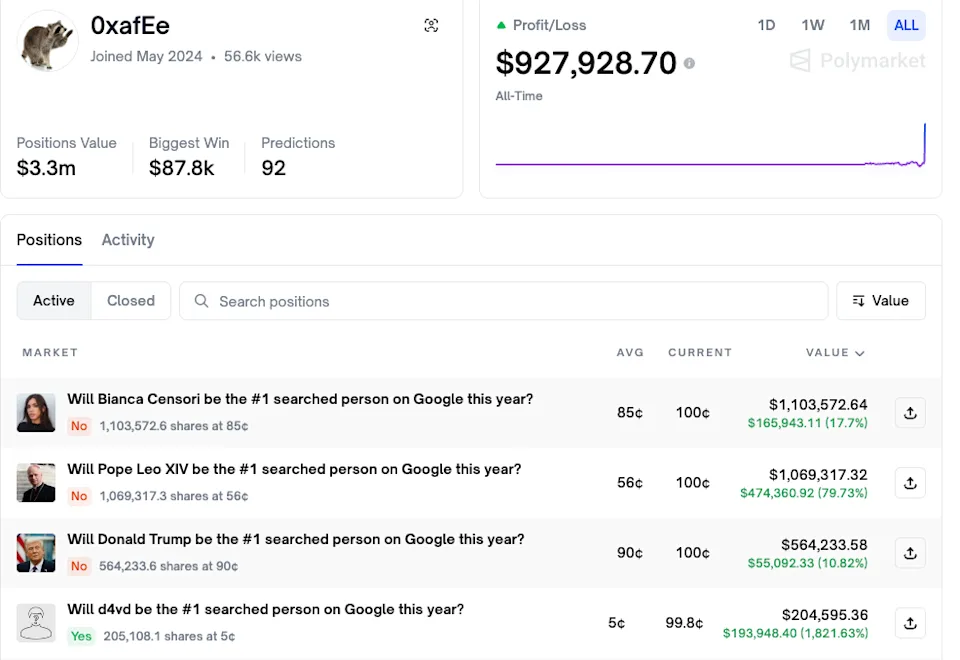
Blockchain records show the wallet deposited $3 million into Polymarket before placing the bets and maintained a 22-for-23 success rate across various Google-related predictions. The trader had previously earned over $150,000 by pinpointing the exact release date of Gemini 3.0 Flash.
“This isn’t a lucky streak. He previously made $150K+ predicting the early release of Gemini 3.0 before results were out. At this point it’s obvious: He’s a Google insider milking Polymarket for quick money,” wrote Meta engineer Jeong Haeju on social media.
No confirmed evidence has emerged linking the trader to Google, but the pattern has fueled debate about whether prediction markets inadvertently create incentives for those with inside information to profit.
“The reason for prediction markets to exist is insider trading. In stocks it’s prohibited, with predictions it’s endorsed. It’s designed to be like this,” argued one user on X.
Despite the controversies, prediction markets continue to attract mainstream investment and regulatory approval. Polymarket recently relaunched in the United States with CFTC backing and is rolling out an iOS app to waitlisted users. The platform processed over $3.7 billion in trading volume last November. In October, Intercontinental Exchange, the parent company of the New York Stock Exchange, invested up to $2 billion in Polymarket, valuing the company at $9 billion. New funding rounds are reportedly targeting a $12 billion valuation.
Polymarket is also planning to launch a native token called POLY, with an airdrop expected for users in 2026. “We could have launched a token whenever we wanted, but we want it to be with true utility, longevity, and to be around forever,” said Matthew Modabber, the company’s chief marketing officer.
For his part, DeNault acknowledged the inherent challenges in policing these emerging markets. “No system is perfect. No financial exchange is immune from bad actors. Not stock exchanges, not banks, not prediction markets. We’re committed to deterring and finding the bad actors, manipulators, and those who willingly che at.”