
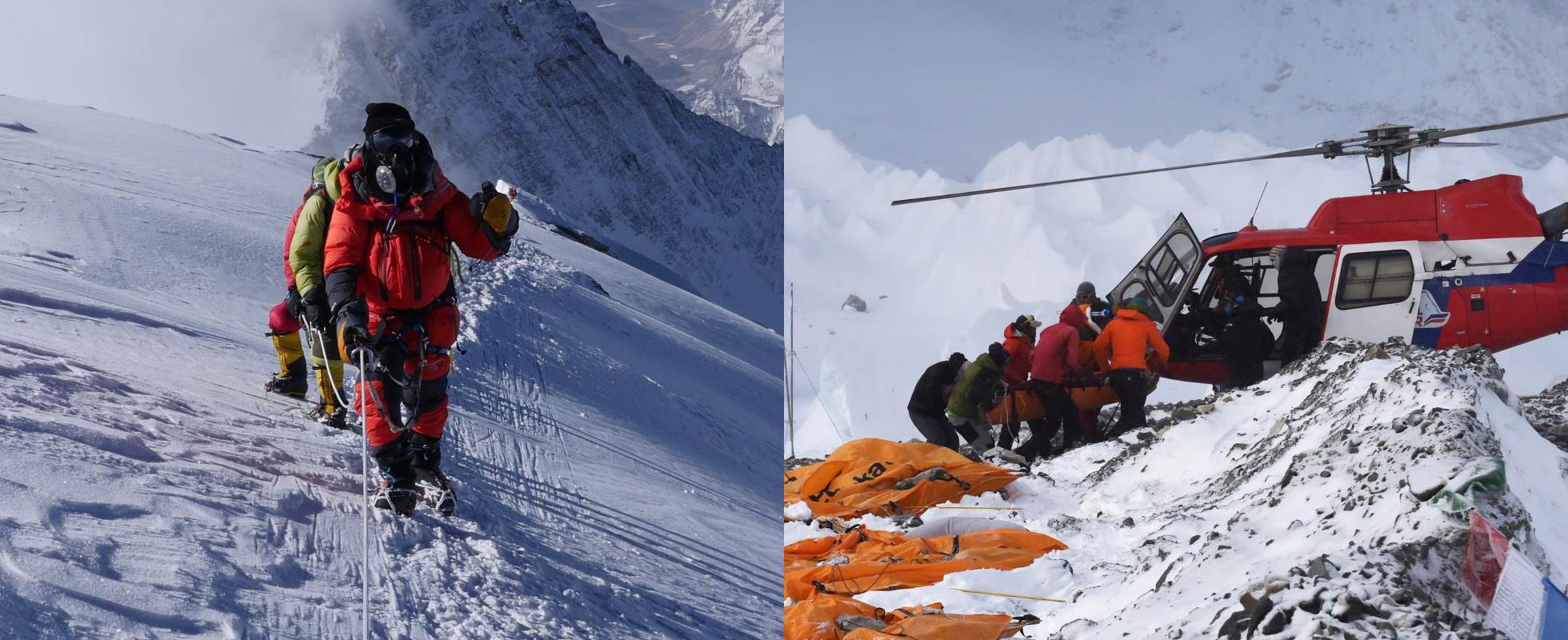
For years, thousands of trekkers have traveled to Nepal to experience the awe of the Himalayas, often spending significant savings to reach iconic destinations like Everest Base Camp. But behind the breathtaking scenery, authorities have uncovered a long-running scheme that allegedly turned routine illnesses into opportunities for massive insurance fraud.
According to Nepalese officials, a network within the trekking industry manipulated emergency evacuation systems for profit. In some cases, trekkers who had already completed most of their journey began feeling unwell during the return leg, typically after eight or nine days on the trail. That timing, investigators say, was not always a coincidence.
Kathmandu Post reporter Sangam Prasai, who has tracked the issue for roughly 15 years, described a recurring pattern. “Actually, the people who used to come to Nepal, they were not aware of this scam. After eight, nine days they reach base camp, and when they started returning, the scam starts from there,” he explained.
Guides would allegedly encourage exhausted trekkers to claim illness in exchange for a quick helicopter ride back to Kathmandu, rather than enduring the long trek down. “You just need to pretend to become sick. That’s the only case,” Prasai said.
The scheme went even further in some instances. A 2018 government fact-finding report, never fully released to the public, alleged that hotel staff occasionally mixed baking soda into trekkers’ food to induce stomach distress. Once a helicopter evacuation was triggered, a chain of participants would reportedly collect a share of the insurance payout. That chain could include the trekking guide, the trekking company, the charter company, the helicopter operator, and in many cases, the hospital that received the patient.
The financial impact was substantial. “In one case, they produced a bill of $25,000 to $30,000 for one night’s stay,” Prasai noted. Investigators also found evidence that multiple tourists were frequently flown together on a single helicopter, yet insurers were billed as if each passenger had taken an individual rescue flight.
One documented example highlighted the scale of the alleged fraud. Four tourists shared a single helicopter ride, but insurance companies were charged for four separate evacuations totaling more than $31,000, along with nearly $12,000 in hospital fees. Many of those hospital visits lasted less than an hour.
Authorities have identified several companies in connection with the scheme. Mountain Rescue Service Private Limited allegedly claimed around $10 million across 171 flagged rescues. Nepal Charter Service was linked to approximately 75 fake rescues totaling $8 million, while Everest Experience and Assistance was associated with 71 suspicious cases.
So far, six people have been arrested, and officials say the investigation is still ongoing. Prasai emphasized that the original government report remains unpublished, suggesting the case may reach deeper into the industry. “There were many powerful people involved in this scam,” he said.