
A Chinese fashion influencer with three million followers has discovered that her trusted personal assistant of six years allegedly spent months secretly posing as her online. According to sources, the assistant built an elaborate fake persona that generated roughly $164,000 in onlinetips.
Chen Xin made the accusations public on January 24, detailing how her assistant, identified only by the surname Jiang, allegedly used her photos, home, wardrobe, and luxury possessions to create an entirely separate digital identity.
The scheme reportedly came to light when a viewer contacted Chen to report seeing another woman inside her residence, wearing her outfits and jewelry while taking photographs. According to Chen, Jiang had access to her passwords and entered the property while she was away.
The assistant allegedly wore Chen’s designer clothing, including intimate items like pajamas and stockings, and posed with her luxury handbags, jewelry, and watches. Jiang also reportedly showcased high-end hotels and restaurants online, the same locations Chen herself had visited.
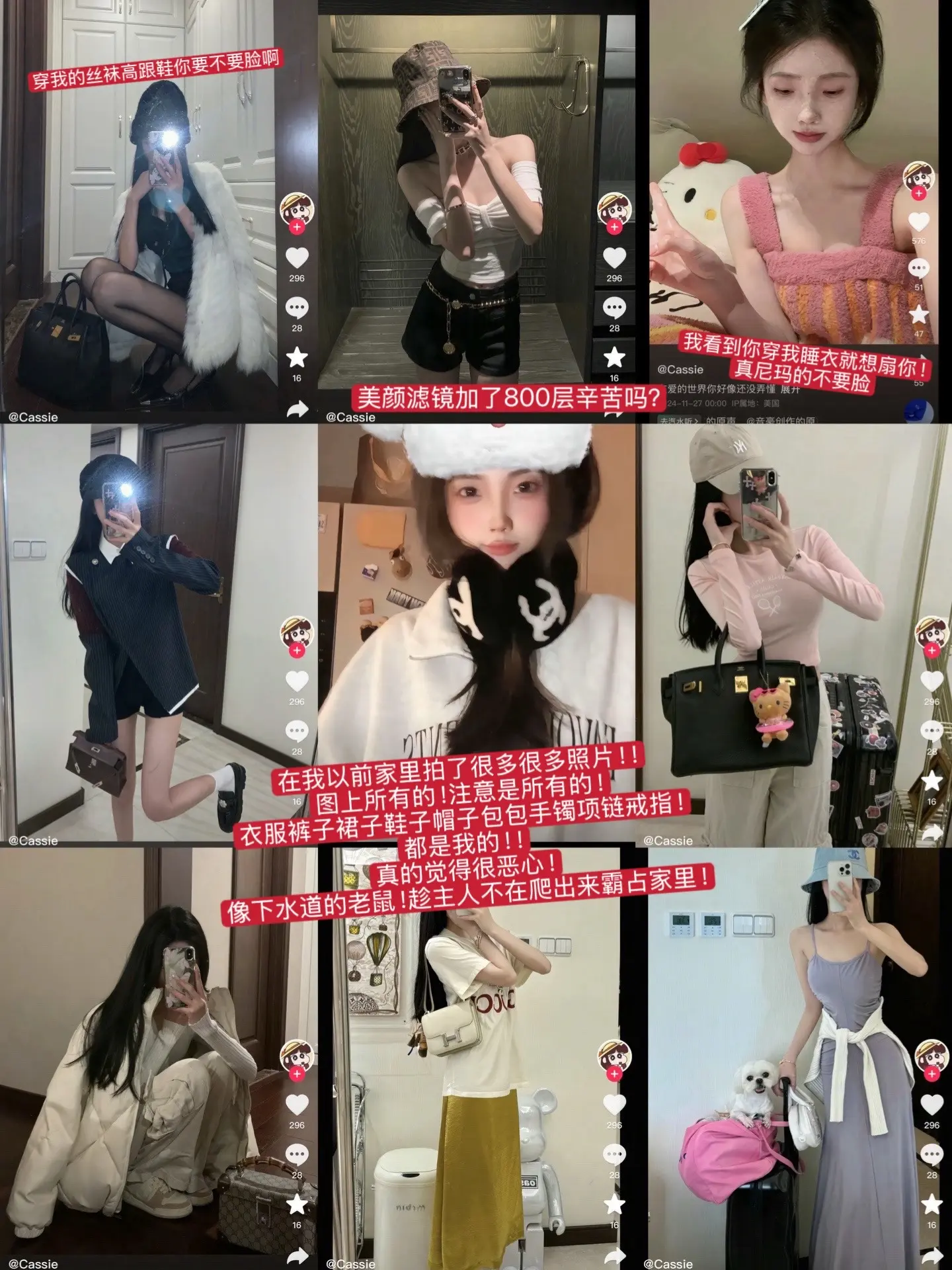
Chen claims the deception extended beyond simple photo theft. Jiang allegedly took unused images Chen had captured and manipulated them using artificial intelligence, replacing Chen’s body with her own while heavily editing the face. The influencer believes this may have been happening since June 2023.
According to the South China Morning Post, Jiang portrayed herself online as a privileged young Chinese woman studying at Harvard Medical School. In January, she hosted a session focused on “intelligent woman’s growth,” which brought in 1.14 million yuan (approx. $160,000) in fan contributions.
Chen explained that the activity only began this year, initially generating tens of thousands of yuan before rapidly escalating. She described how Jiang originally approached her as a fan, claiming she needed financial independence from her impoverished family and requesting to borrow money.
Rather than simply lending funds, Chen offered Jiang employment, despite the fact that she had only completed junior secondary school. Chen hoped to provide her with steady income while teaching her valuable media production skills.
“I treated Jiang like someone close to me, teaching her photography, editing, and composition skills,” Chen said. She provided work roughly half the month and even sent money to Jiang’s father after he was injured in a fall, and again when Jiang took leave to care for him.
The sense of betrayal runs deep for Chen, who felt she had invested significant time and resources into helping someone she trusted. When confronted about the alleged identity theft, Chen claims Jiang admitted she “did something wrong out of vanity.”
Initially, Chen said she wasn’t interested in pursuing legal action. She only wanted Jiang to publicly apologize and return the money earned through the alleged fraud. However, Jiang allegedly went back on her word, blocked Chen, and denied most of the accusations. She admitted only to using a few photos and wearing Chen’s clothing.
Chen has now sent a lawyer’s letter accusing Jiang of violating her portrait rights, reputation, and privacy.