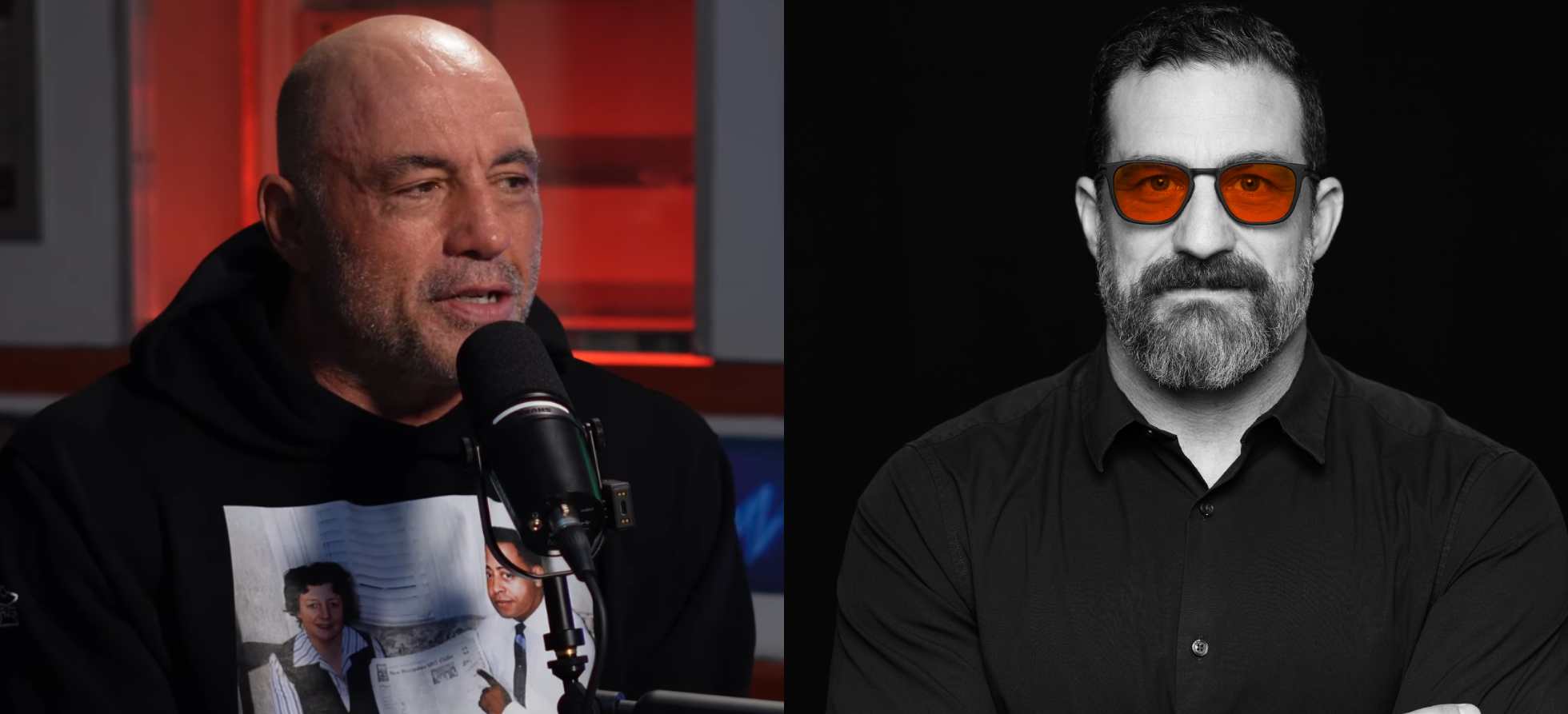
Patrick Bet-David, the founder of Valuetainment and one of the more prominent voices in the independent media space, posted a thread on X outlining eight scenarios for Iran’s political future, ranging from best to worst case for the regime.
He presented the framework as his own analysis. Within hours, X’s Community Notes feature had other ideas. Users flagged the post with a correction pointing directly to a viral video by the online commentator known as Professor Jiang, the game theory analyst behind the YouTube channel Predictive History.
The timing made the situation particularly awkward for Bet-David because Professor Jiang had already built significant momentum online before the Valuetainment post appeared. Back in July 2024, Jiang had publicly predicted that Donald Trump would win the presidency, that the United States would eventually go to war with Iran, and that such a conflict would not end in Washington’s favor.
Those predictions gained enough attention to earn Jiang an interview on the Breaking Points podcast, an appearance that Bet-David himself had praised. On March 4, he reportedly sent the show a direct message reading, “Great work with the recent interview.”
That early admiration, however, did not translate into a cooperative relationship.
According to Bet-David, Valuetainment later invited Jiang to appear on the PBD Podcast to discuss his analysis. Jiang declined the invitation, saying he believed the appearance would be a setup rather than a genuine conversation.
Addressing the situation on his own podcast, Bet-David expressed frustration with the accusation.
“So then we invite to have a conversation with him,” Bet-David said. “He’s on a conversation with another guy, and all of a sudden he’s like, ‘Well, the reason is because I thought this was going to be a hit piece. That’s why I didn’t want to go on the PBD podcast. They were trying to do a hit piece.’ Hit piece? I’m trying to havw a conversation with you.”
Jiang ultimately never appeared on the show.
The debate over Jiang’s credibility intensified after he participated in an interview with journalist Mehdi Hasan, who pressed him directly about his credentials. Hasan’s questioning focused on Jiang’s use of the title “Professor,” which many viewers had assumed reflected an academic position.
“English lit graduate. And you’re not a professor,” Hasan said during the exchange. “I know it’s your YouTube moniker, but you’re a high school teacher. You’re not actually a professor, right?”
Jiang responded candidly but stopped short of fully clarifying the issue.
“I’m not a professor,” he said. “But I never said I was professor. It’s the internet who called me professor.”
Hasan remained skeptical, and the conversation soon shifted toward questions about Jiang’s potential connections to Chinese state interests. Rather than issuing a firm denial, Jiang offered a more ambiguous response.
“It is possible that I’m a useful idiot,” he said. “And I suspect that there are many entities around the world who would like to amplify my message.”
Following that interview, criticism online intensified, particularly regarding Jiang’s continued use of the “Professor” title despite acknowledging he does not hold the position. That controversy became a focal point when Bet-David later devoted a segment of his podcast to scrutinizing Jiang’s background and credibility.
During the discussion, Valuetainment panelist Tom Ellsworth, who has taught as an adjunct professor at Biola University and Pepperdine University, explained why academic titles carry weight and why clarity matters.
“I never let them call me doctor,” Ellsworth said. “Doctor is a PhD doctorate. And so I always had them call me Tom.”
His argument was that Jiang likely understood the authority implied by the title and chose not to correct the misconception, allowing ambiguity to persist.
What the episode did not directly address, however, is how Bet-David arrived at a position of publicly critiquing Jiang in the first place. The Community Notes flag on his original Iran thread remains visible, and many online observers pointed out the irony of questioning someone else’s intellectual honesty after facing accusations of plagiarism himself.
That perception quickly spread across social media.
Online personality SNEAKO publicly criticized Bet-David over the episode, arguing that Jiang’s initial concerns about appearing on the podcast had been justified. In one broadcast , he framed the situation as evidence that the invitation was never neutral.
“So PBD was asking Professor Jiang to come on the show,” SNEAKO said. “And Jiang said that he was apprehensive because he knew it was going to be a setup. And he was right. Look at them discrediting him now.”
The backlash was not limited to outside critics. The YouTube comments section on the Valuetainment video filled with negative reactions from viewers, many of whom accused the show of acting out of frustration or rivalry.
Some of them are:
“Professor or not, he’s still schooling all y’all.”
“He’s mad because the professor said PBD was a Mossad agent.”
“The energy of envy and jealousy present in this video can be used to electrify Cuba.”
SNEAKO concluded by saying: “This strategy is not going to work, Patrick, for the rest of the people on this show, you trying to double down and ignore what the audience is saying isn’t successful.”