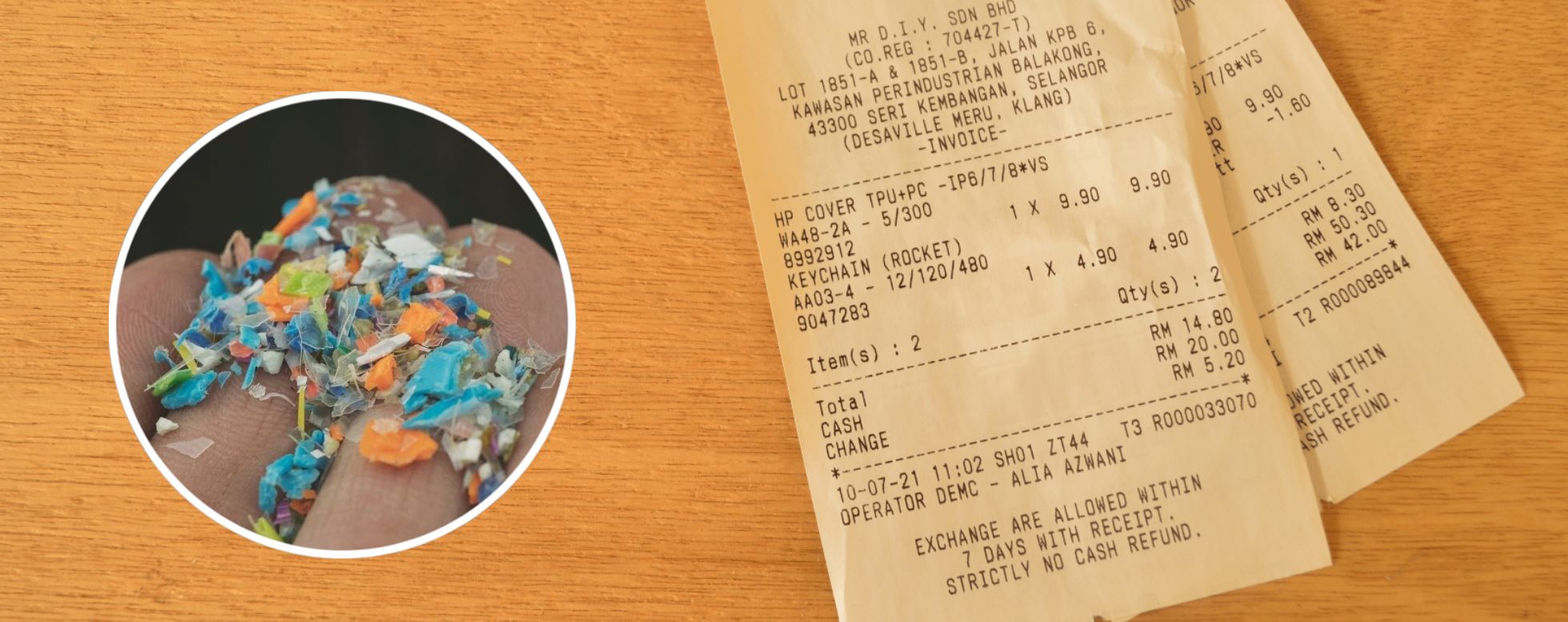
Tech entrepreneur Pieter Levels recently highlighted an often-overlooked source of harmful chemical exposure that millions encounter daily. Those innocuous paper receipts handed out at checkout counters may pose a more significant health risk than previously recognized.
The concern centers on thermal receipt paper, which is commonly coated with Bisphenol-A (BPA) or its chemical cousin, Bisphenol-S (BPS). These belong to a class of compounds known as endocrine disruptors, which can interfere with the body’s hormonal systems.

Unlike microplastics that enter the body through ingestion, receipts present a direct pathway through skin absorption.
One of the most overlooked sources of toxic hormone disruptors are receipts:
> Thermal receipt paper is often coated with Bisphenol-A (BPA) or its substitute, Bisphenol-S (BPS), which are endocrine-disrupting chemicals that can absorb into the skin.
> Studies suggest that even… https://t.co/tfNnY1rtVD pic.twitter.com/yix7xi1C7j
— @levelsio (@levelsio) February 9, 2026
Research indicates that the exposure timeline is remarkably brief. Studies suggest that merely ten seconds of contact with thermal paper can result in chemical absorption that exceeds recommended safety thresholds. The implications span multiple bodily systems, potentially affecting reproductive health, metabolic function, and hormonal balance.
The mechanism of action makes BPA particularly concerning. This compound primarily mimics or interferes with estrogen, but its effects extend beyond a single hormone. BPA can bind to various hormone receptors throughout the body, including those for estrogen, androgens, and thyroid hormones. The cascade of potential effects includes reproductive dysfunction, altered hormone levels, decreased testosterone, and metabolic disruptions such as insulin resistance.
Widespread receipt handling amplifies the concern. Most people encounter multiple receipts throughout a typical day: at grocery stores, restaurants, gas stations, and retail establishments. Each interaction represents a potential exposure event, and the cumulative effect of these repeated contacts remains an area of active investigation.
Dr. Rhonda Patrick, speaking on the Tim Ferriss podcast, provided additional context about the pervasiveness of microplastic contamination. Her research review revealed that these particles accumulate twenty times more in the brain than in other organs, with Alzheimer’s patients showing dramatically elevated levels compared to healthy individuals.
“Heat accelerates the breakdown of the plastic and essentially you’re doing that in real time,” Patrick explained, noting how temperature increases the rate at which plastics release chemicals.
She emphasized that microplastics now appear in unexpected places beyond water bottles, including chewing gum, tea bags, and even glass containers. Tea bags can release thousands of microplastic particles when exposed to hot water, while paper coffee cups from most establishments contain plastic linings that break down when filled with hot beverages.
For those concerned about receipt exposure, practical strategies exist. Requesting digital receipts eliminates physical contact entirely. When paper receipts are necessary, minimizing handling time and washing hands afterward reduces absorption. Some individuals have adopted the practice of photographing receipts rather than holding them for extended periods.