
Samsung’s newest fridge made waves as CES 2026 for all the wrong reason. The Bespoke AI Family Hub refrigerator highlights many of the problems associated with modern appliances including unnecessary complexity privacy concerns and features that address no clear consumer need.
One of the refrigerator’s headline features allows users to open and close the door using voice commands such as open sesame and close sesame. While this may appear convenient in demonstrations its real world usefulness is limited. Voice activation requires a quiet environment to work reliably meaning normal household noise children or everyday activity can interfere with basic access to food.
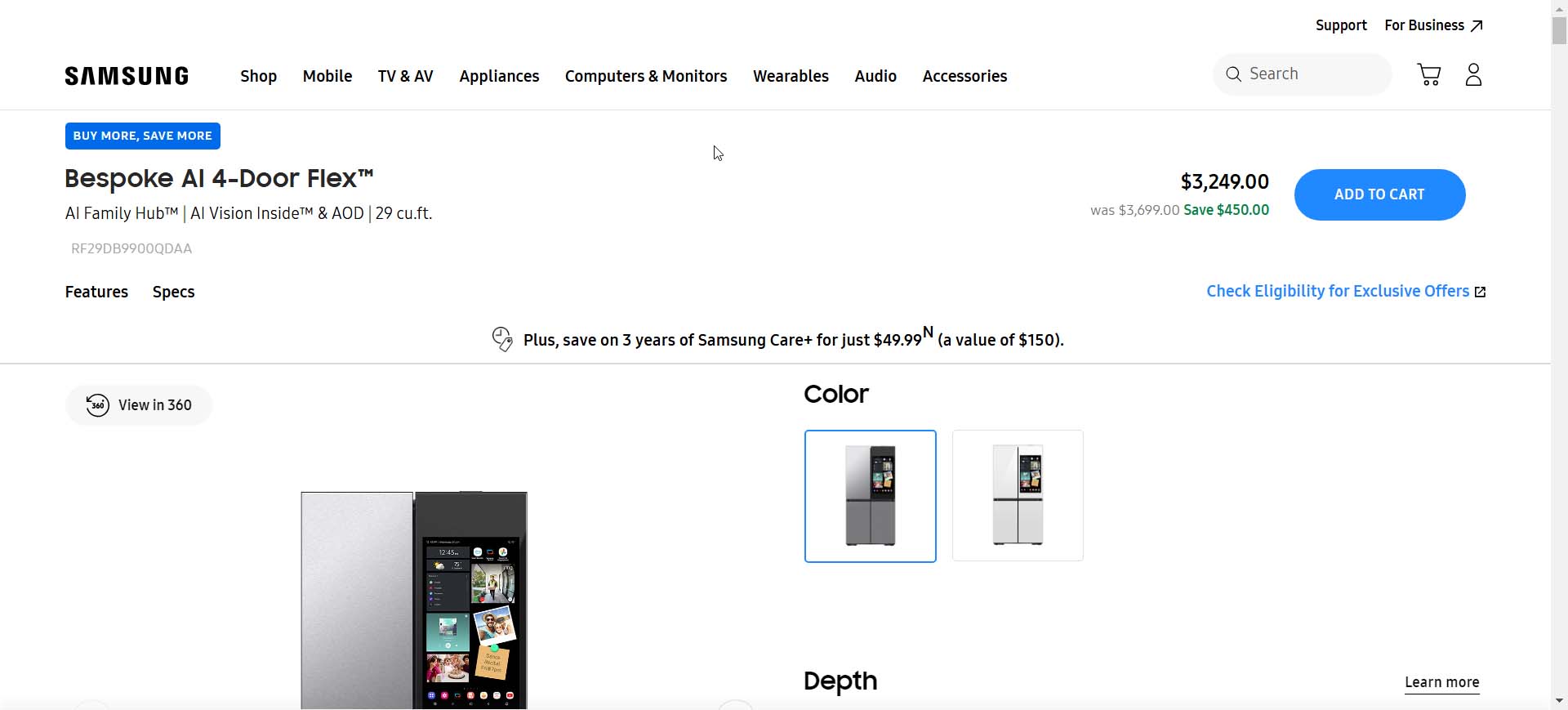
According to Samsung website Bespoke AI Family Hub fridge retails for $3,249.00.
Gay Gordon-Byrne of the Digital Right to Repair Coalition summed up the issue plainly.
“The one thing a refrigerator should do is keep things cold. That’s it. It needs to do that all the time. It needs to do that without difficulty.”
Instead Samsung has introduced a system where simple tasks can depend on ideal conditions internet connectivity and uninterrupted power.
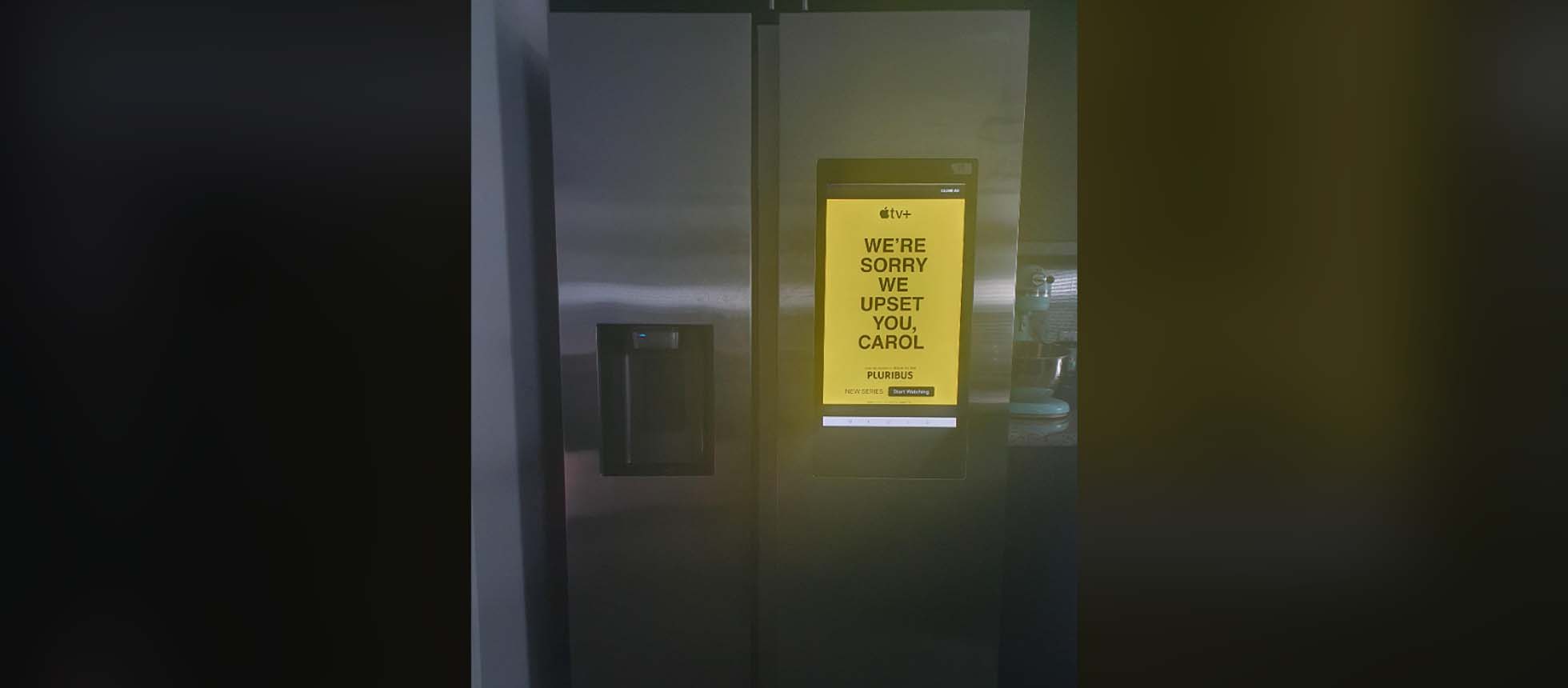
Not to mention a recent viral story in which a woman was disturbed by an ad her fridge played to her.
Concerns about reliability extend well beyond voice controls. Samsung refrigerators have faced repeated criticism over compressor failures malfunctioning ice makers and unstable touchscreens. Adding additional electronic systems and moving parts to a product category already associated with these issues raises questions about long term durability.
Advertising is another contentious element. The refrigerator’s touchscreen displays what Samsung refers to as sponsored content which effectively means advertisements appearing in the kitchen. Opening the fridge can expose information about stored food to advertising systems. As Gordon-Byrne asked:
“Do you need sour cream? Chances are pretty good you’re going to get an advertisement for sour cream.”
This leads directly to privacy concerns. Data about food consumption and household habits must be collected to enable this functionality yet it remains unclear who receives that data how it is stored and which third parties may have access to it.
The handleless design introduces another potential failure point. If the electronic opening mechanism stops working accessing the refrigerator becomes a repair issue rather than a simple mechanical action.
Refrigerators are a well established technology that function reliably with basic mechanical handles. Adding voice control constant connectivity internal cameras and advertising systems does not improve food preservation. It increases the likelihood of breakdowns raises privacy risks and complicates a task that was already solved.
This refrigerator reflects a wider pattern in consumer electronics where added connectivity and complexity serve corporate data and revenue goals more than user needs. In an appliance designed to preserve food safely and consistently restraint would likely have been the more practical choice.


