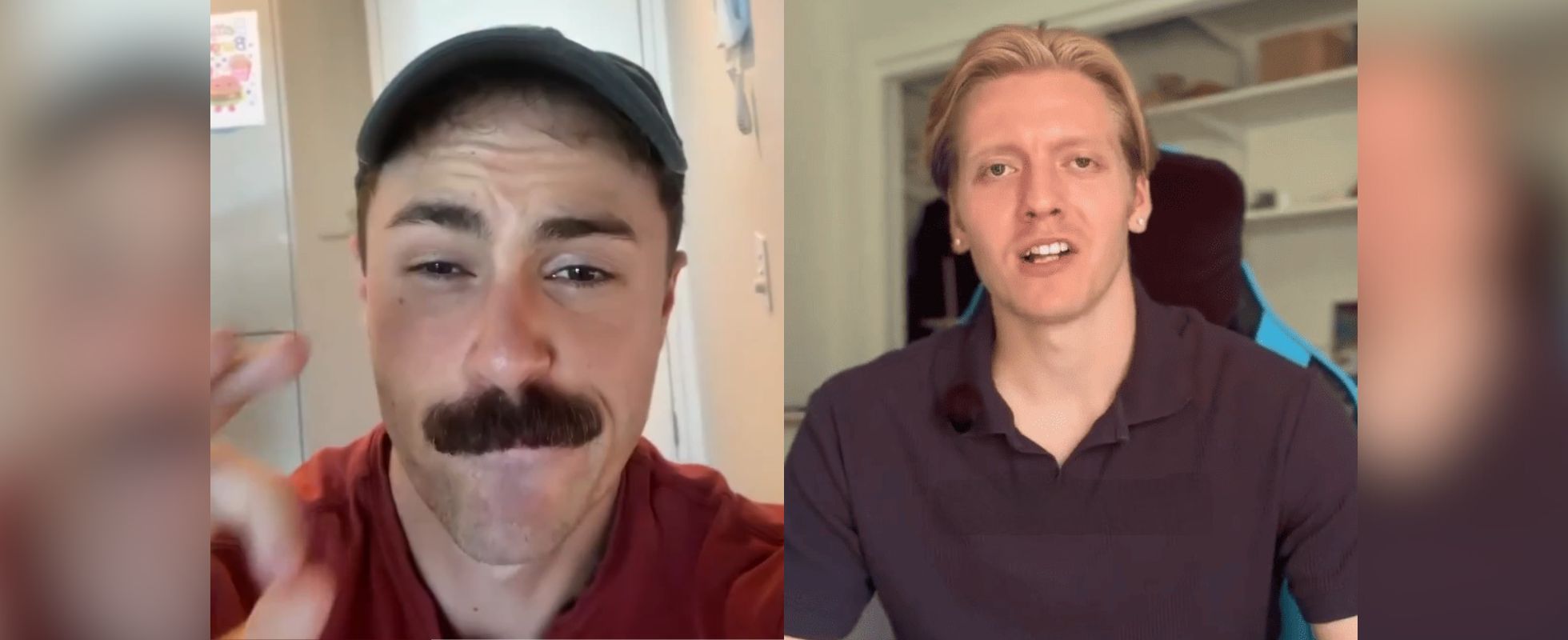
A social media dispute has erupted between two Australian beef jerky companies, with one founder publicly accusing a competitor of duplicating his marketing approach and branding elements.
The controversy began in January 2025 when a TikTok creator known as Beef CEO, who runs a successful jerky business generating $50,000 monthly, posted a video claiming he had encountered his “first true copycat.”
According to Beef CEO, a competitor had created advertisements that appeared remarkably similar to his own content, featured a website that drew heavy inspiration from his design, and sold a product with notable similarities.
When he commented on the rival’s advertisement saying it looked familiar, he was promptly blocked without any response.
The accused party, a founder named Jethro who operates a competing beef jerky company in the Australian market, quickly responded with his own video. Jethro challenged the accusations directly, stating he would welcome any concrete examples of copied content.
He explained that the advertisement in question simply told his personal story of starting the business, including details about being born in South Africa, his background as a semi-professional footballer, and his passion for nutrition.
Jethro then turned the tables, presenting what he claimed was evidence that Beef CEO had actually taken creative influence from his own marketing materials. He also pointed out that numerous natural beef snack brands have existed in the Australian market long before either company launched, citing examples like Barbell Nutrition and Byron beef jerky.
Following this exchange, Beef CEO released comparison videos highlighting specific similarities. The most notable parallels included their Instagram biographies, which both emphasized positioning as the cleanest or best protein snack in Australia.
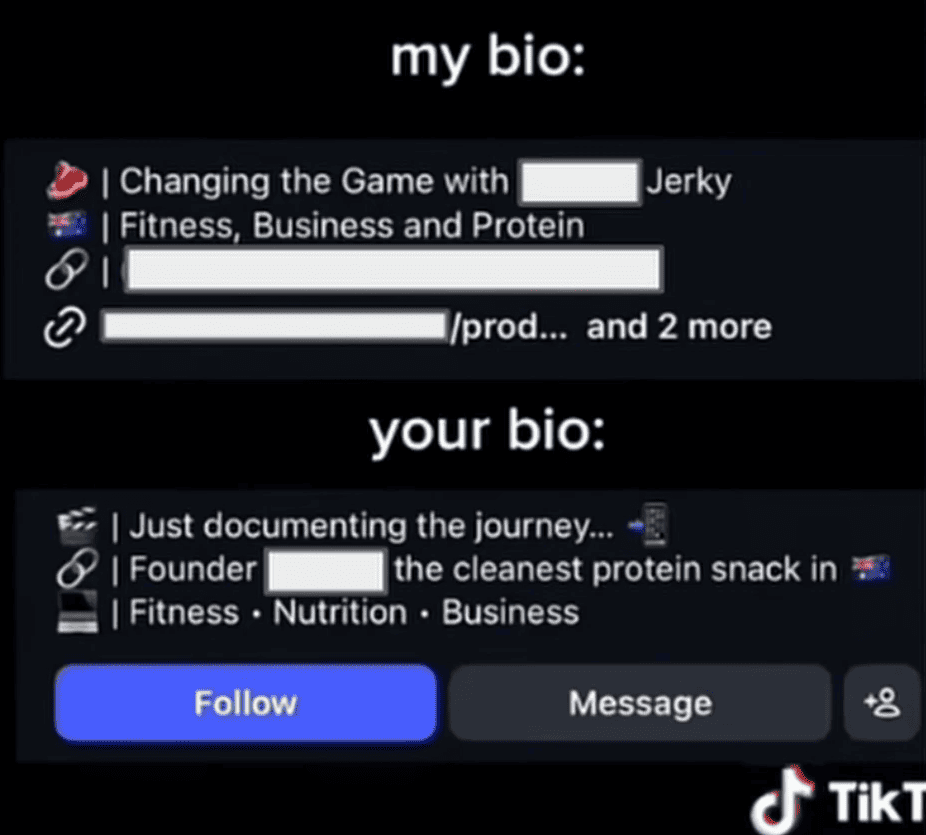
Additionally, both company websites featured similar design elements, including red banner layouts, comparable font choices, and an arrow pointing to the founder with the word “me” on the homepage.
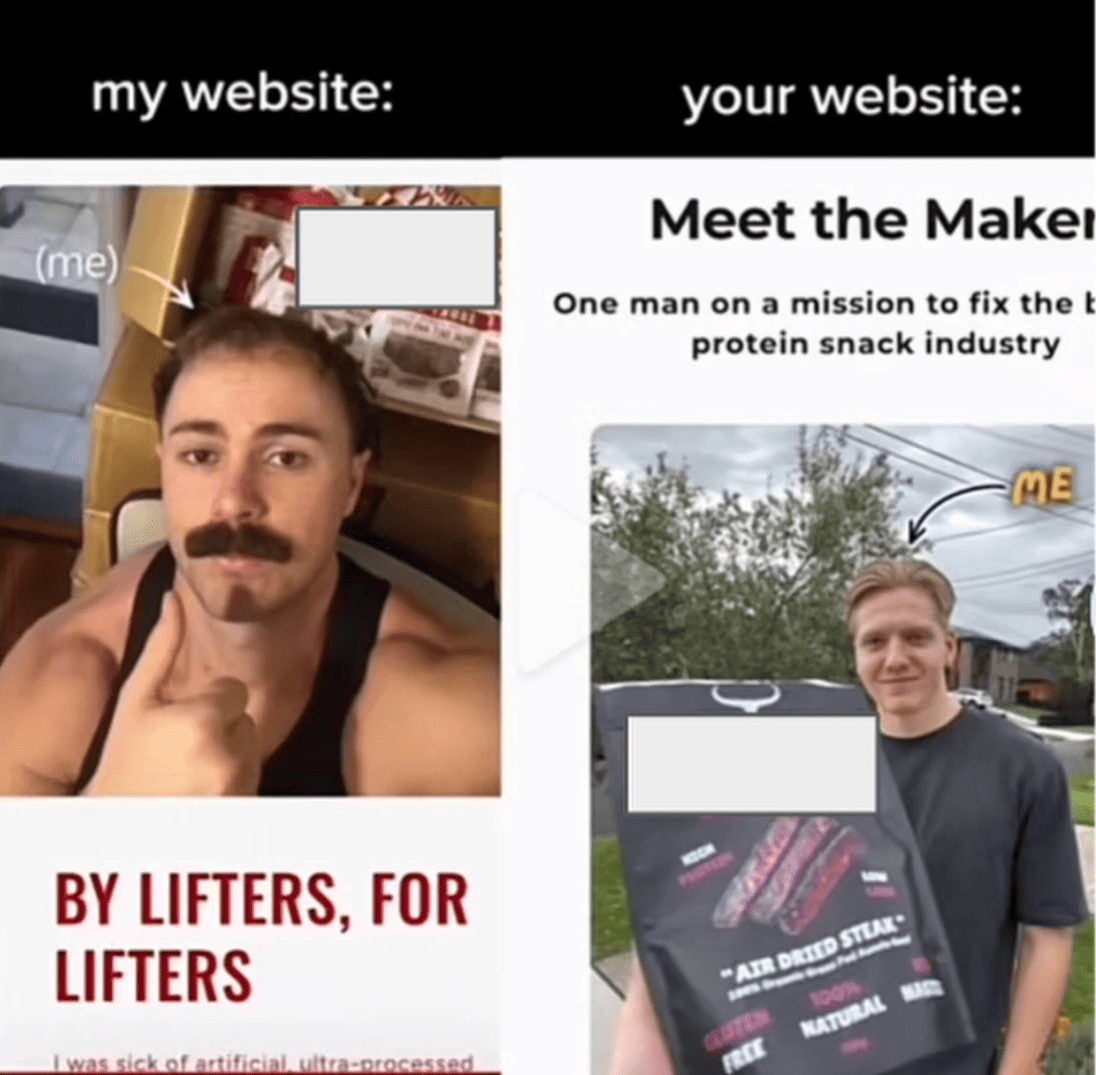
The comparison of their origin story videos showed both founders documenting their entrepreneurial journeys, though with different personal details. Beef CEO’s video, posted in September, preceded the competitor’s similar content by approximately one month. However, observers noted that inspirational founder story videos represent a common content format across social media marketing.
Commentary from marketing professionals suggested that both advertising campaigns utilized standard industry themes and typical product photography. Many observers felt the similarities represented common practices within the competitive protein snack market rather than direct copying.
Beef CEO later clarified that his primary concern centered on the advertisement format and branding elements rather than accusations of stealing the overall business concept. He emphasized that he never named his competitor directly in his initial videos and did not intend to direct negative attention toward the rival brand.