
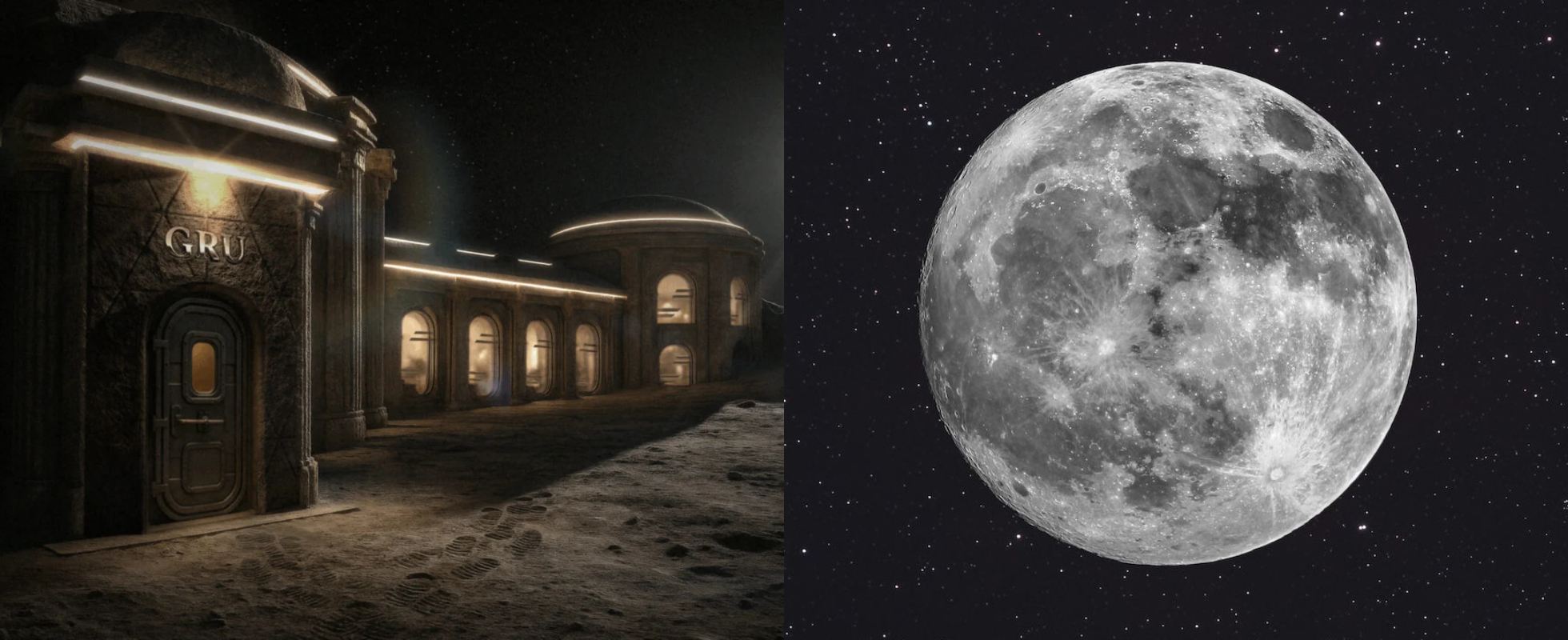
The final frontier just became available for booking, though you’ll need deep pockets and plenty of patience to claim your reservation.
According to sources, Hilton Hotels has partnered with Starlab Space to develop the first-ever hotel accommodations in lunar orbit, with advance reservations now open for a cool $1 million. The catch? Your cosmic getaway won’t be ready until sometime in the 2030s, and there’s no guarantee the project will launch as planned.
The luxury hotel chain announced it will design crew headquarters aboard Starlab’s commercial space station, which aims to eventually host paying guests for multi-day stays while orbiting the moon. The collaboration marks Hilton’s second venture into space hospitality, following its 2021 agreement to create accommodations on Voyager Station, another orbital hotel concept.
While a million dollars might seem steep for a hotel deposit, it represents just a fraction of what the complete journey will cost. Industry experts estimate the full price tag for a lunar orbital vacation could reach $10 million per person once the facility becomes operational.
The proposed Starlab station will orbit Earth rather than the moon itself, but the experience promises unparalleled views of both our planet and its celestial neighbor. Hilton’s involvement focuses on creating livable quarters that balance functionality with comfort in the challenging environment of space.
This isn’t merely a publicity stunt. Hilton has committed to applying insights from its terrestrial hotel operations to solve unique challenges of extended stays in zero gravity. The company plans to develop sleep systems, communal areas, and hospitality protocols adapted for the space environment.
Several companies are racing to establish the first commercial space stations as the International Space Station approaches retirement. Starlab represents one of multiple projects vying to fill that void while expanding access beyond government astronauts and researchers.
The $1 million reservation functions as a refundable deposit, allowing early adopters to secure their place in line while the technology develops. Given the lengthy timeline and technical hurdles ahead, the offer appeals to wealthy adventurers willing to embrace uncertainty for bragging rights as pioneer space tourists.
Those considering the investment should note that commercial space travel remains in its infancy. Regulatory approvals, safety certifications, and countless engineering challenges must be resolved before any guests can actually check in to their orbital suite.
Still, the announcement signals growing confidence that space tourism will transition from science fiction to reality within the next decade. As private companies continue investing billions in orbital infrastructure, the question is no longer whether commercial space hotels will exist, but when they’ll welcome their first guests.


