
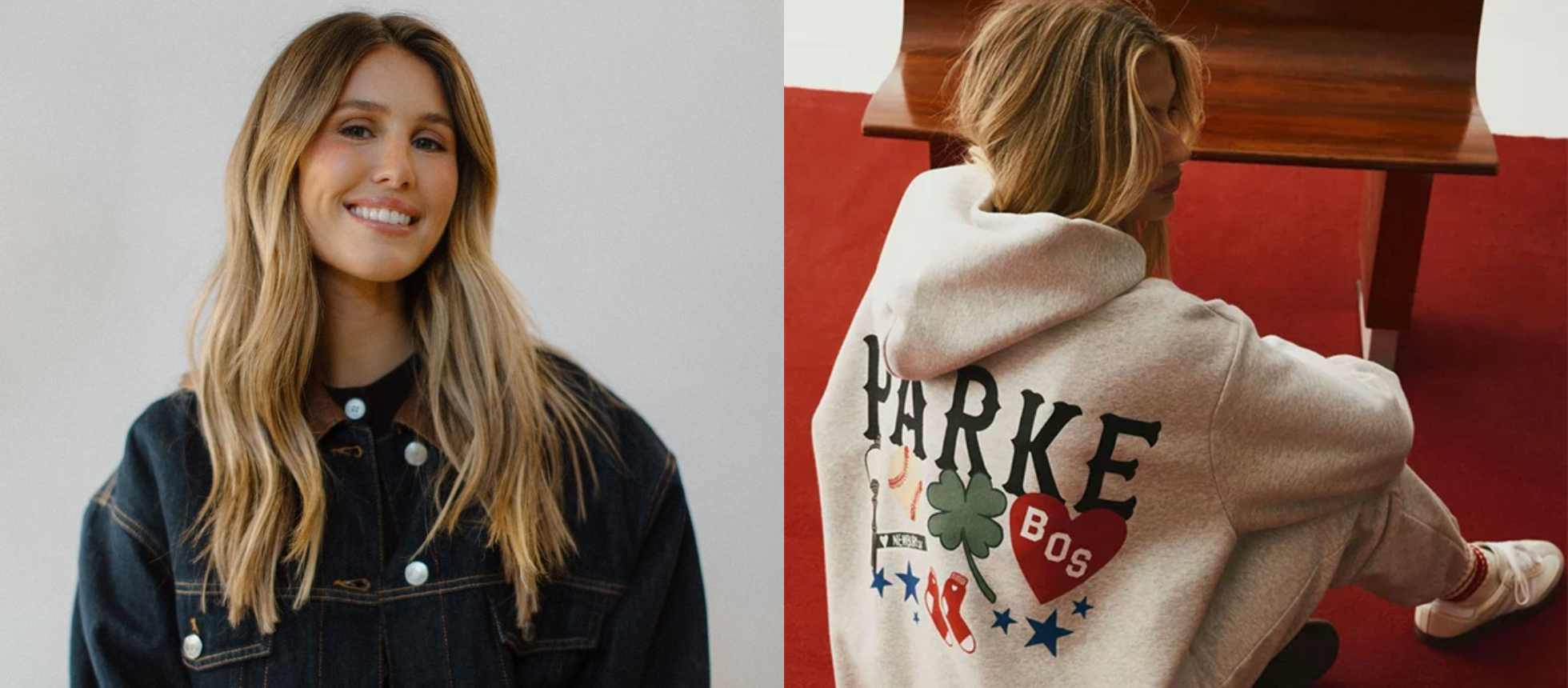
Chelsea Kramer built something a lot of founders would envy. Starting with just 10,000 followers on TikTok, she launched Parke in 2022 as a direct-to-consumer clothing brand built around minimalistic basics, limited drops, and a community-first message.
No paid ads, no wholesale strategy. Just trust.
By 2024, the company was reportedly pulling in $16 million in revenue, with pop-up lines stretching six hours and drops selling out in minutes.
The brand’s identity was clear: thoughtful, intentional, and nothing like fast fashion. As Kramer said in one interview, “We are creating, number one, most importantly, a community and also clothing that make people feel comfortable that they want to wear from morning to night.”
That image started cracking when a TikTok creator called Sustainable Fashion Friend went through one of Chelsea’s day-in-the-life vlogs and paused on the background details. Documents scattered across a desk revealed supplier names and addresses pointing to manufacturers connected to Alibaba.
“While you’re posting your color palettes and pics of your computer, I can find a lot out about your company and how you work,” the creator said. “Identified that you’re sourcing from Alibaba. It’s always up on your tab.”
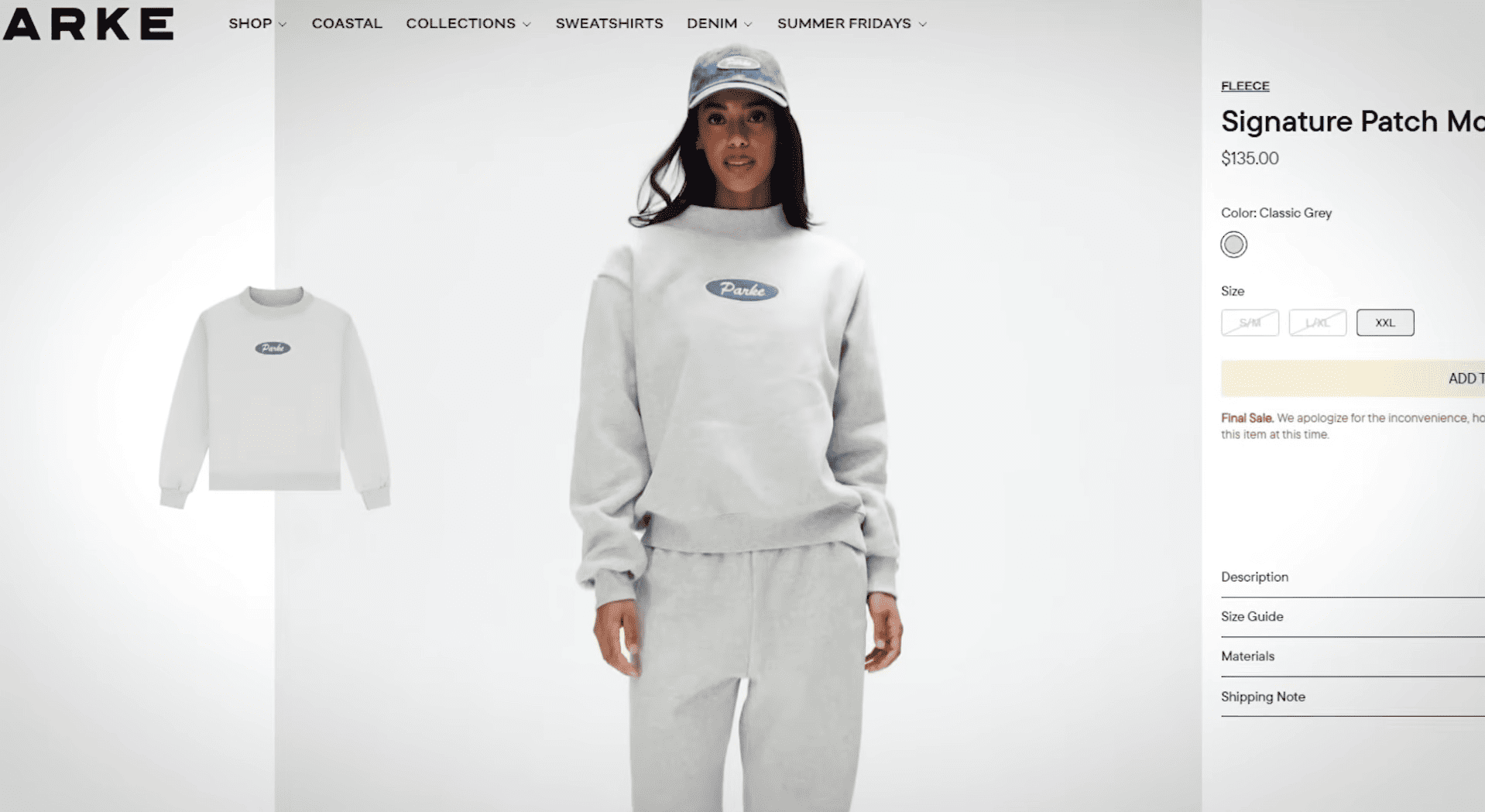
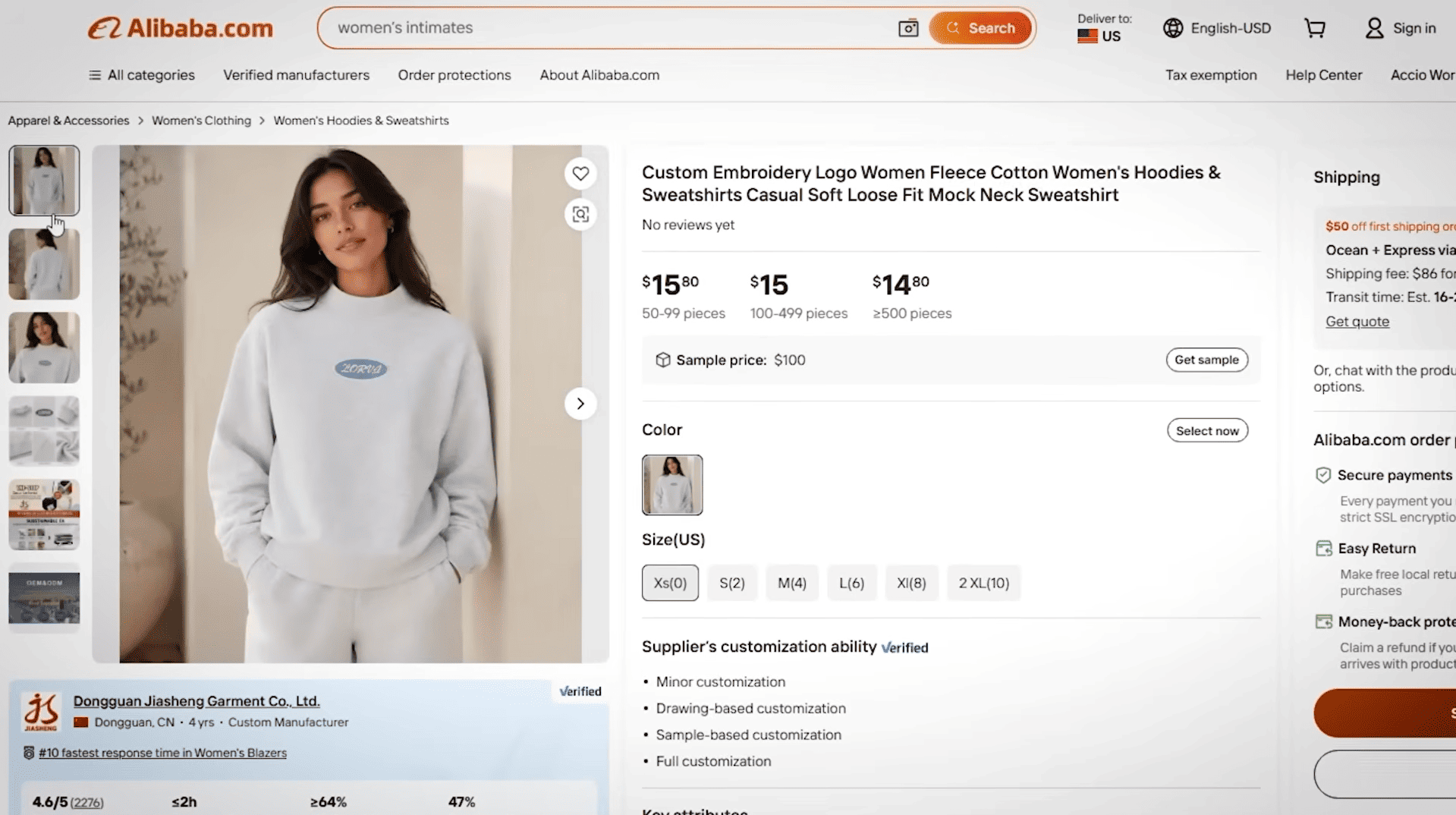
From there, the comparisons were hard to ignore. A $135 signature patch mock neck on the Parke website appeared to have a near-identical counterpart on Alibaba at roughly $15 per unit when ordered in bulk.
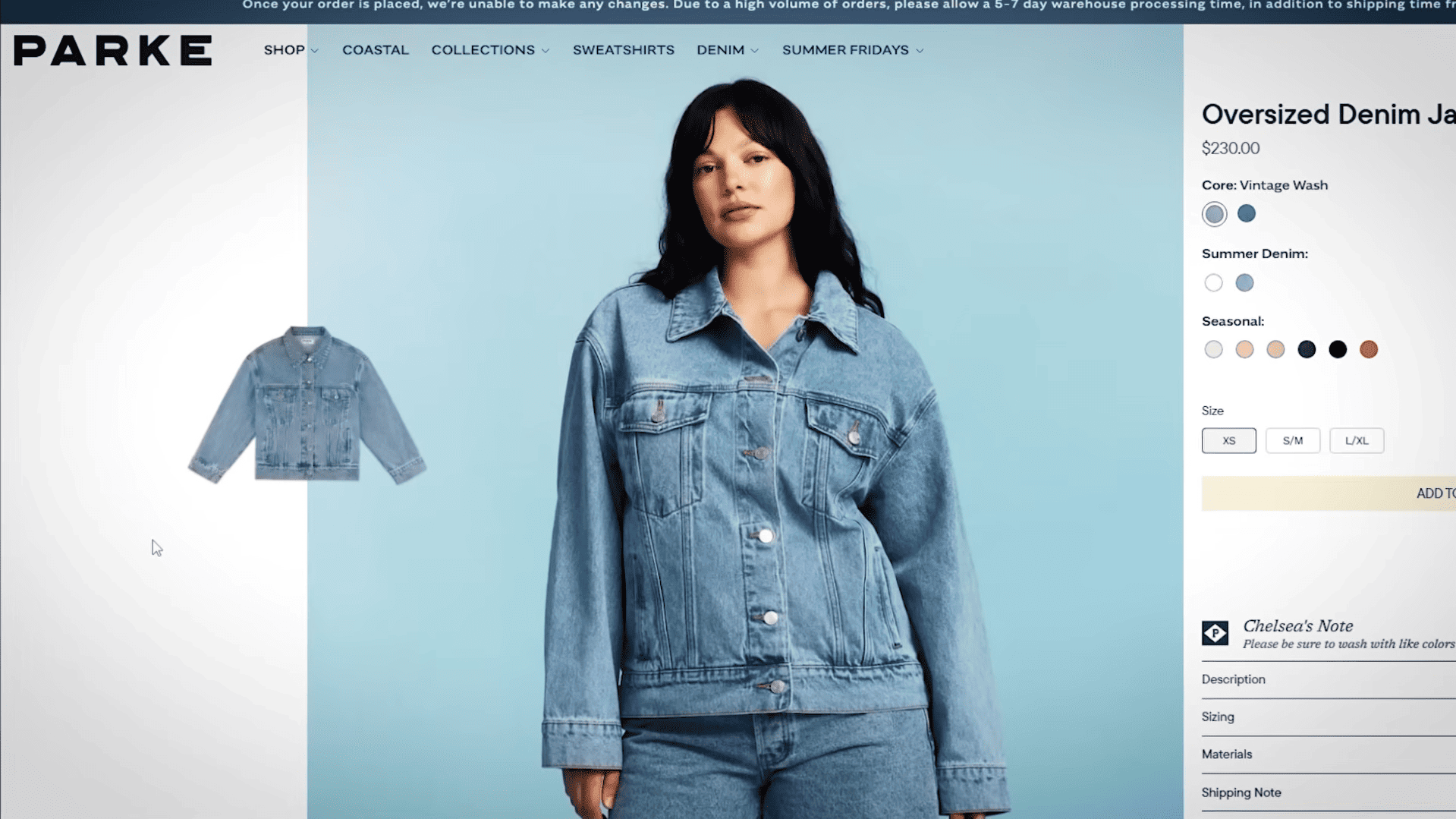
A $230 denim jacket from Parke looked strikingly similar to a $50 piece available through Chinese suppliers with the same color variations.
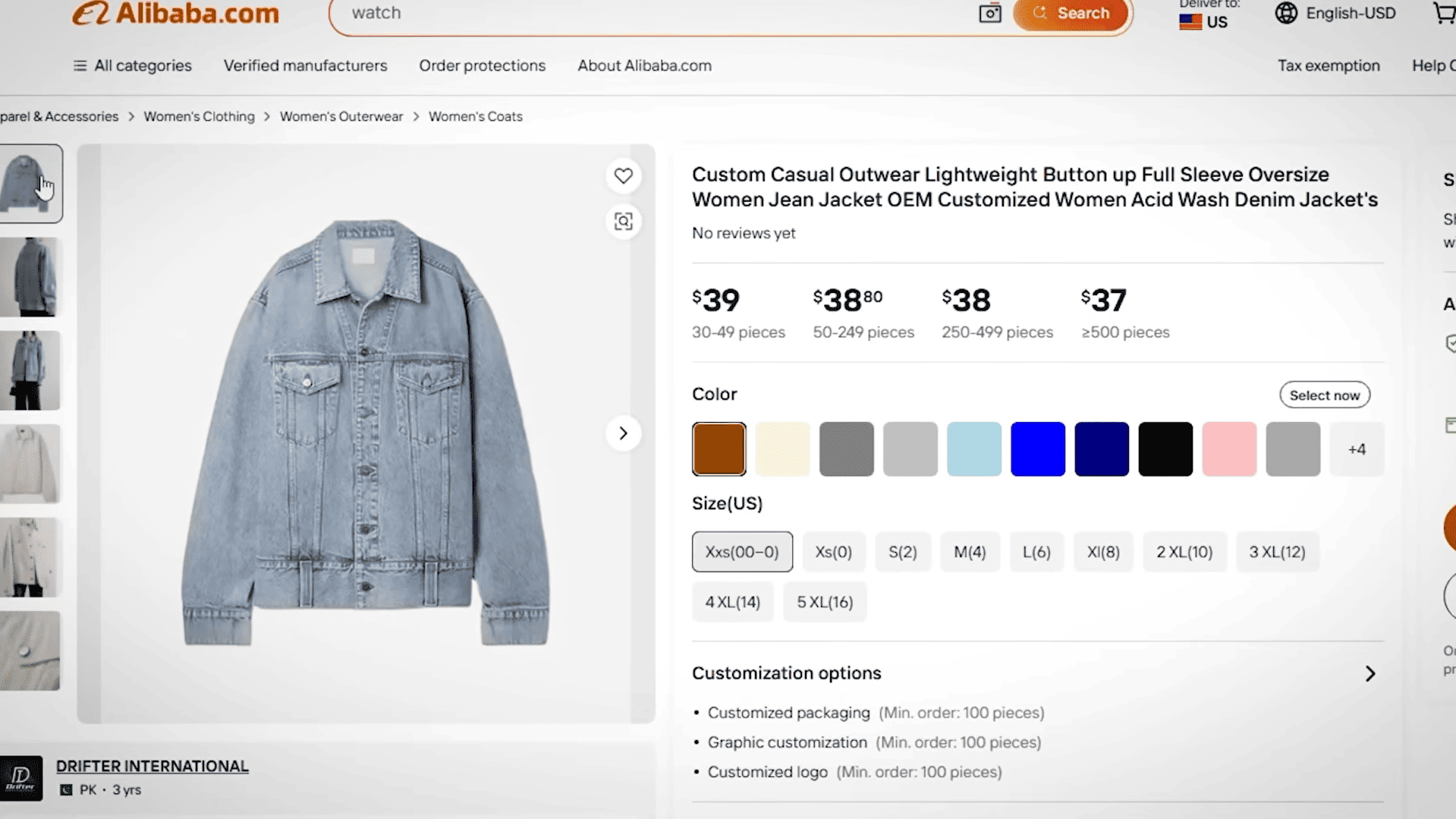
One creator even ordered what appeared to be the same Parke sweater directly from the Chinese supplier for $25 instead of the $135 retail price, put it on camera, and confirmed it felt identical.
White labeling, the practice of buying a generic product from a manufacturer and selling it under your own brand, is common across retail. Trader Joe’s does it. Plenty of large brands do it. On its own, it is not necessarily a problem. The issue with Parke is that when your identity is ‘we’re not like those other white label brands,’ and then people find out you actually are like those other brands, that’s where things break.”
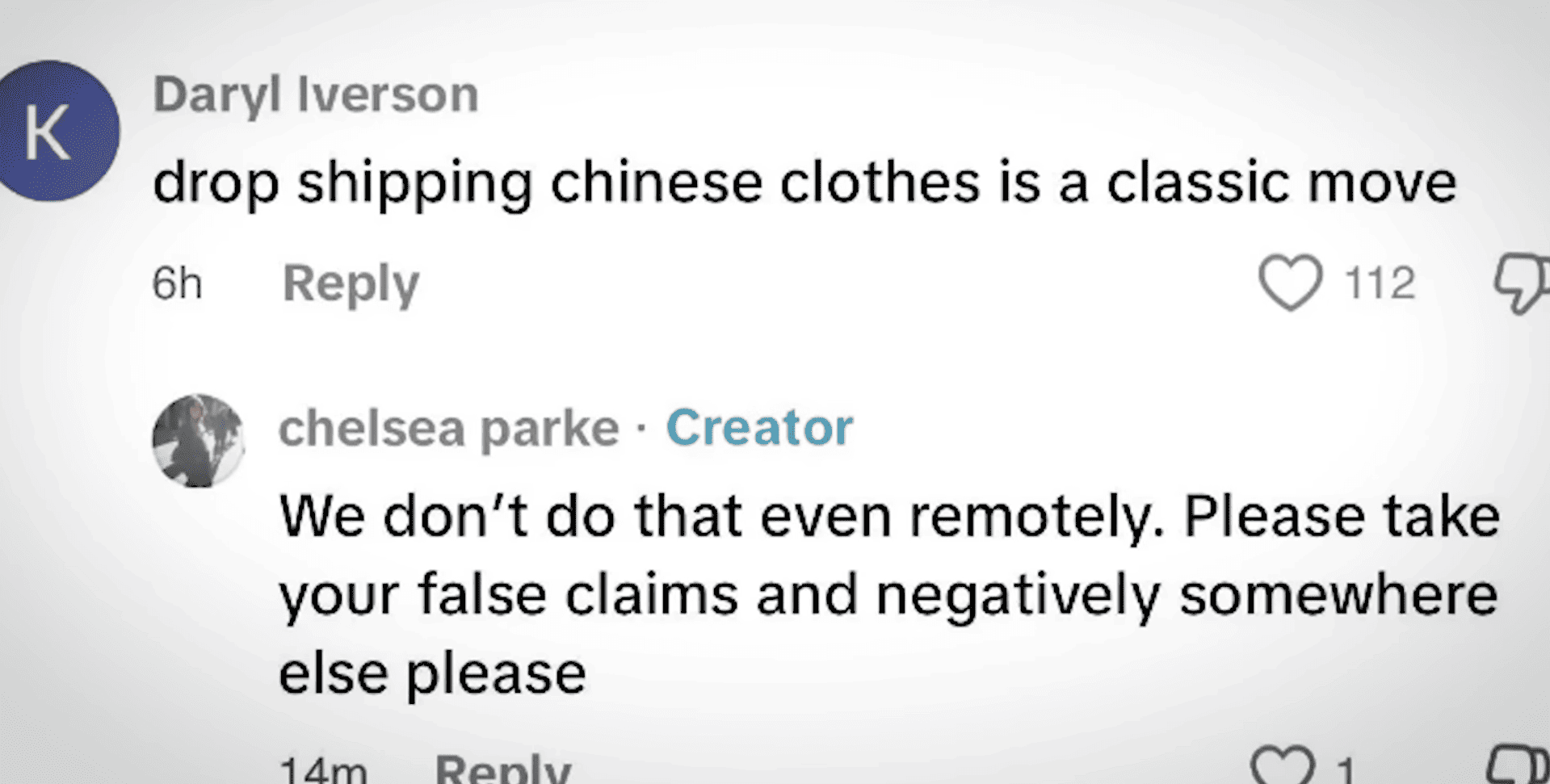
Kramer responded to critics in comment sections, writing, “We don’t do that even remotely. Please take your false claims and negativity somewhere else.” She has also stated that Parke does not white label its products and that she works with a technical designer to develop samples that go through multiple rounds of changes in fit, wash, and color.
The controversy escalated just as the brand had reached its widest audience yet through a collaboration with Target, where $150 Parke hoodies were being sold for around $40, sending shoppers into a frenzy across the country.
The real damage was not a single product or price point. It was the gap between what Parke sold as its story and what the supply chain appeared to tell. Once that gap became visible, the years of carefully built trust were the first thing to go.


