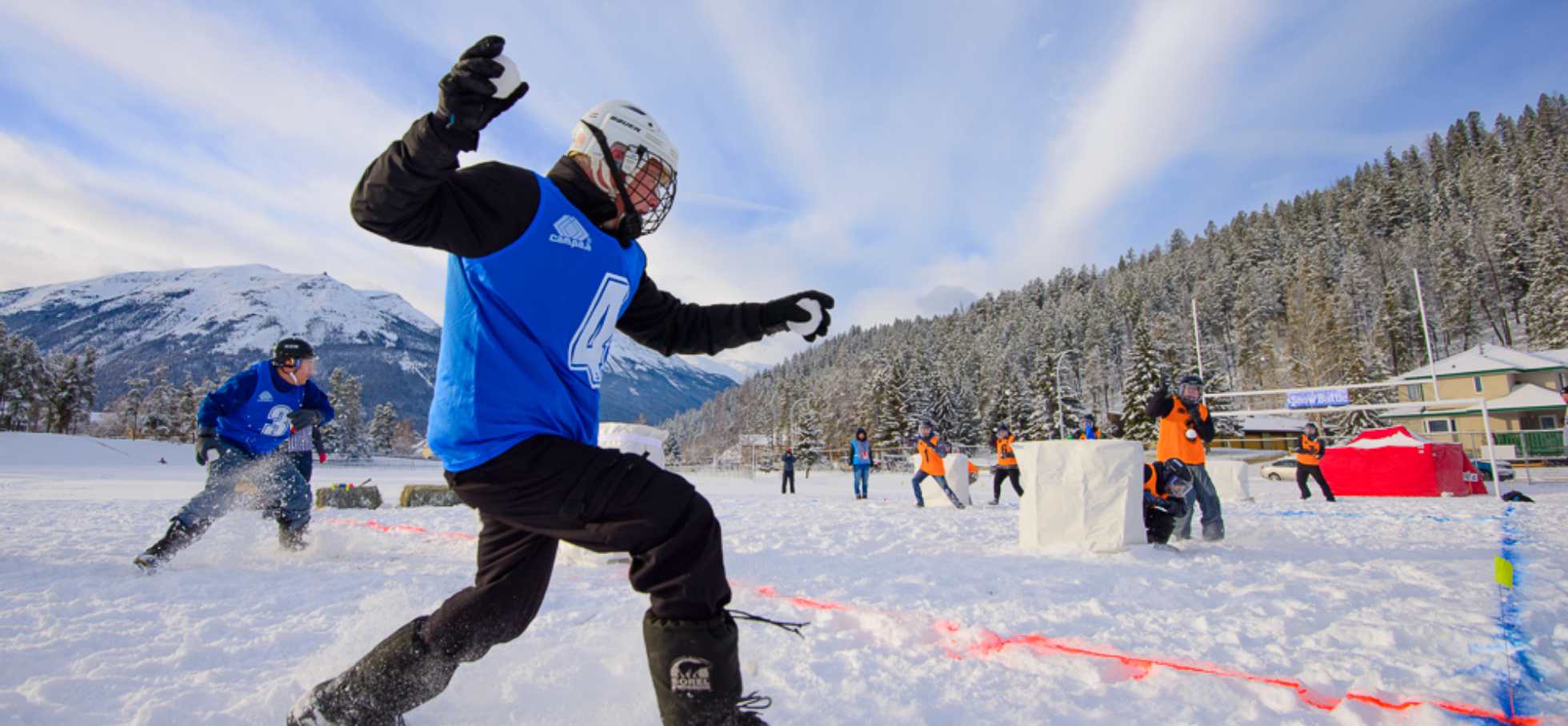
Canadian winters have long meant snow-covered schoolyards and children playing freely during recess, but new safety rules in Quebec are transforming outdoor playtime into something that requires extensive planning and protective gear.
Several Quebec schools are now following recommendations that could require students to wear helmets just to play on snow mounds during recess. The guidance comes from the Centre de services scolaire des Chênes (CSSC) in Drummondville, which has instructed schools to apply strict conditions before children can climb on piles of plowed snow.
Under the recommendations, snow mounds must be between 1.8 and 3 meters (around 10 feet) high, have a slope of no more than 25 degrees, and include designated recovery and waiting areas. If schools cannot meet those criteria, helmet use becomes mandatory.
Schools are also expected to maintain daily inspection checklists, monitoring plans, and rotation schedules to control how many students can use the mound at once.
CSSC communications director Normand Page explained that the rules stem from insurer guidance rather than a government mandate. “The snow removal crew brings in the pile, and the administration visually checks to make sure there’s no ice that could be dangerous for children sliding or playing,” Page said.
According to Page, the recommendations were issued by Union mutuelle d’assurance scolaire du Québec (URASQ), the school board’s insurer, following incidents involving snow piles dating back to 2022.
Not everyone is convinced the measures are reasonable. School administrators have criticized the rules as excessive, with Fédération québécoise des directions d’institution d’enseignement president Francis Côté saying they go too far.
“It doesn’t make sense,” Côté said, noting that getting young children fitted with helmets could take up most of their recess time.
Quebec Premier François Legault echoed that skepticism, questioning the practicality of helmeted play in schoolyards. “I understand that it has to be safe, but starting to put helmets in the schoolyard, I find that a bit excessive,” Legault said. “I think we should leave it up to the school principals to decide.”
URASQ maintains that the recommendations are about risk management, not overregulation. “The main issue remains due diligence to ensure activities are carried out safely, in the best interests of the children,” said URASQ director general Caroline Vermette.
Vermette added that the measures align with existing best practices and do not impose new burdens on school staff, emphasizing that the insurer’s role is to support schools in preventing injuries.