
Free to use under the Unsplash License
Twenty camels have been removed from Oman’s prestigious annual beauty pageant after veterinary inspectors uncovered an elaborate scheme of cosmetic procedures designed to give the animals an unfair advantage in competition.
According to sources, the 2026 Camel Beauty Show Festival in Al Musanaa became the latest battleground in an ongoing struggle to preserve the integrity of a centuries-old cultural tradition that has become big business across the Arabian Peninsula. Officials discovered that owners had subjected their animals to a range of medical interventions, including hyaluronic acid injections to plump up lips, dermal fillers and silicone to reshape nasal features, and Botox treatments to modify facial appearance.
The tampering didn’t stop at the face. Inspectors found evidence of hormonal treatments administered to enhance muscle definition and silicone wax applied to artificially enlarge the highly prized humps that judges scrutinize during evaluation.
The Camel Club and the Oman Camel Racing Federation, which oversee the festival, moved quickly to strip the altered animals of their eligibility before final judging could take place. Organizers issued a statement declaring they are “keen to halt all acts of tampering and deception in the beautification of camels,” and promised “strict penalties on manipulators.”
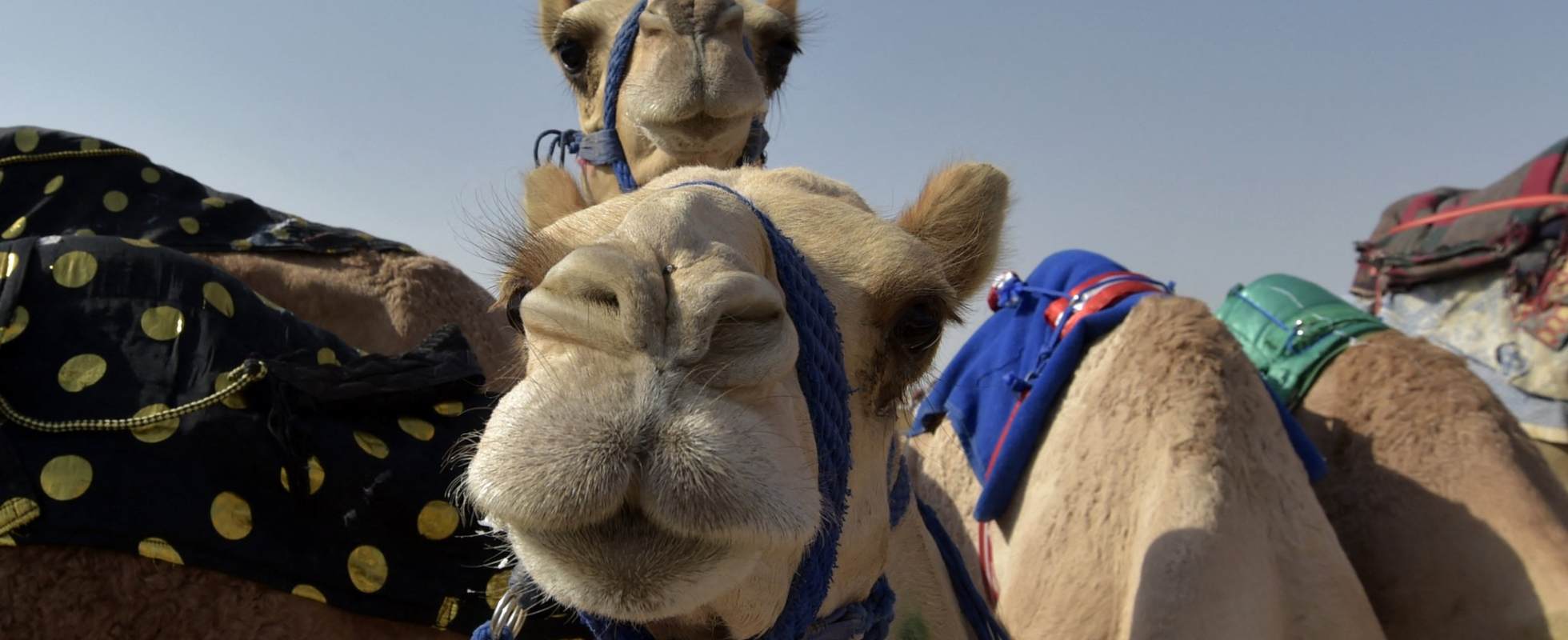
Camel beauty pageants occupy a special place in Gulf culture. Judges evaluate contestants across four main categories: coat, neck, head, and hump. The ideal specimen displays glossy, well-defined hair, a long and broad neck, a large head featuring drooping lips and long eyelashes, and a well-shaped hump supported by strong posture.
Success at these festivals brings more than ribbons. Winners gain considerable prestige, valuable breeding advantages, and access to prize pools that can reach tens of millions of dollars at major Gulf competitions, according to Forbes.
The Oman disqualifications are part of a broader pattern. Saudi Arabia’s King Abdulaziz Camel Festival, one of the world’s largest such events, has repeatedly confronted similar violations. Twelve camels were removed from that competition in 2018 for cosmetic tampering, and more than forty were disqualified in 2021 as organizers intensified enforcement efforts.
The high stakes have pushed some competitors to take increasingly aggressive measures, prompting festival organizers to deploy veterinary experts and sophisticated inspection protocols. These medical professionals examine animals for telltale signs of enhancement before allowing them to compete.
Veterinary specialists warn that these cosmetic procedures carry serious risks for the animals. Injections and fillers can cause infection, swelling, and tissue damage that may create long-term health complications. Botox may impair the muscle function camels need for normal eating and consumption of water. Hormone injections can disrupt fertility, alter behavior, and throw endocrine systems out of balance.
Animal welfare advocates have raised concerns that these procedures inflict unnecessary harm on creatures valued for their natural beauty and cultural significance. No injuries to the twenty disqualified camels in Oman were reported, and officials did not publicly confirm whether the owners would face penalties beyond the loss of eligibility.


