
Free to use under the Unsplash License
Long before the Blake Lively lawsuit placed Justin Baldoni under a microscope, the actor and director had quietly been documenting his pursuit of regenerative medicine on social media. Investigative journalist Scott Carney, whose three-part series on Dr. Adeel Khan brought the stem cell doctor’s practices into public view, found Baldoni’s name surfacing in court documents.
Baldoni’s interest in stem cell therapy stretches back to at least 2020, when he filmed himself in Colombia receiving an injection, singing to his child over the phone while being treated, and posting the footage publicly. The treatment apparently did not resolve his underlying issues, because a few years later he was still searching for a solution to his degenerated discs.
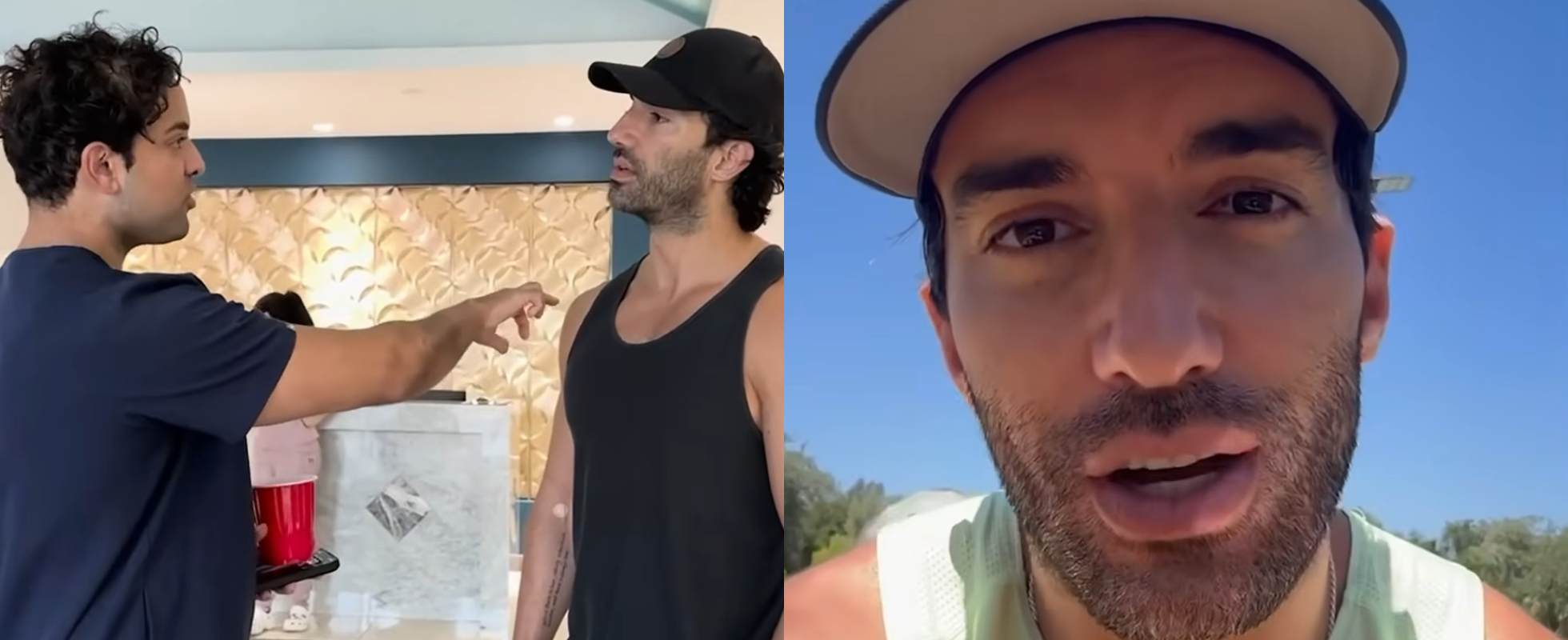
That search led him to Khan. In a social media video, Baldoni explained his decision directly: “About 9 months ago, I reached out to Dr. Khan who is at the forefront of stem cell technology. I have some damage to the cartilage and meniscus in both knees. He injected both my knees with stem cell. He also gave me an injection into my shoulder because I had some arthritis in my shoulder. And I just wasn’t sure what the results would be because, like everyone else, you see this stuff on social media, and you’re just not sure what’s real and what’s not.”
On August 28, 2024, Khan’s clinic issued a press release announcing they were officially treating Baldoni’s back. What followed was predictable to anyone who had been tracking Khan’s other high-profile patients. Baldoni ended up in a hospital recovering from an infection.
The Lively lawsuit documents brought the details into sharper focus. One filing stated that Baldoni and his team “brainstormed possible cover stories including a recent hospitalization to treat an infection from spinal stem cell treatment in Mexico.”
The text messages from his now-former crisis PR team were more candid. Stephanie Jones wrote: “He said he got stem cells in Cabo, so that’s probably why he has an infection now.”

Jennifer Abel responded: “And then agrees to post about it so that he gets it for free.”

Matthew Mitchell added: “When it’s free for him, we know that. He does the sketchiest stuff to his body and says that his outside reaction is due to stress. No, baby boy. It’s because you got a janky a*s procedure from a strange a*s doctor in Mexico. You get what you paid for.”

That last line points to the core arrangement Carney describes in his reporting. Khan’s business model relies on celebrity promotion, typically given not in exchange for money but in exchange for free treatments. The celebrity posts generate press releases, the press releases generate credibility, and that credibility funnels ordinary paying patients through the door.
Carney notes that three of Khan’s celebrity clients developed serious bacterial infections requiring hospitalization. For Baldoni, the arrangement meant a free procedure and a public endorsement. What it also meant, according to his own PR team’s private messages, was a trip to the hospital and a cover story to manage the fallout.


