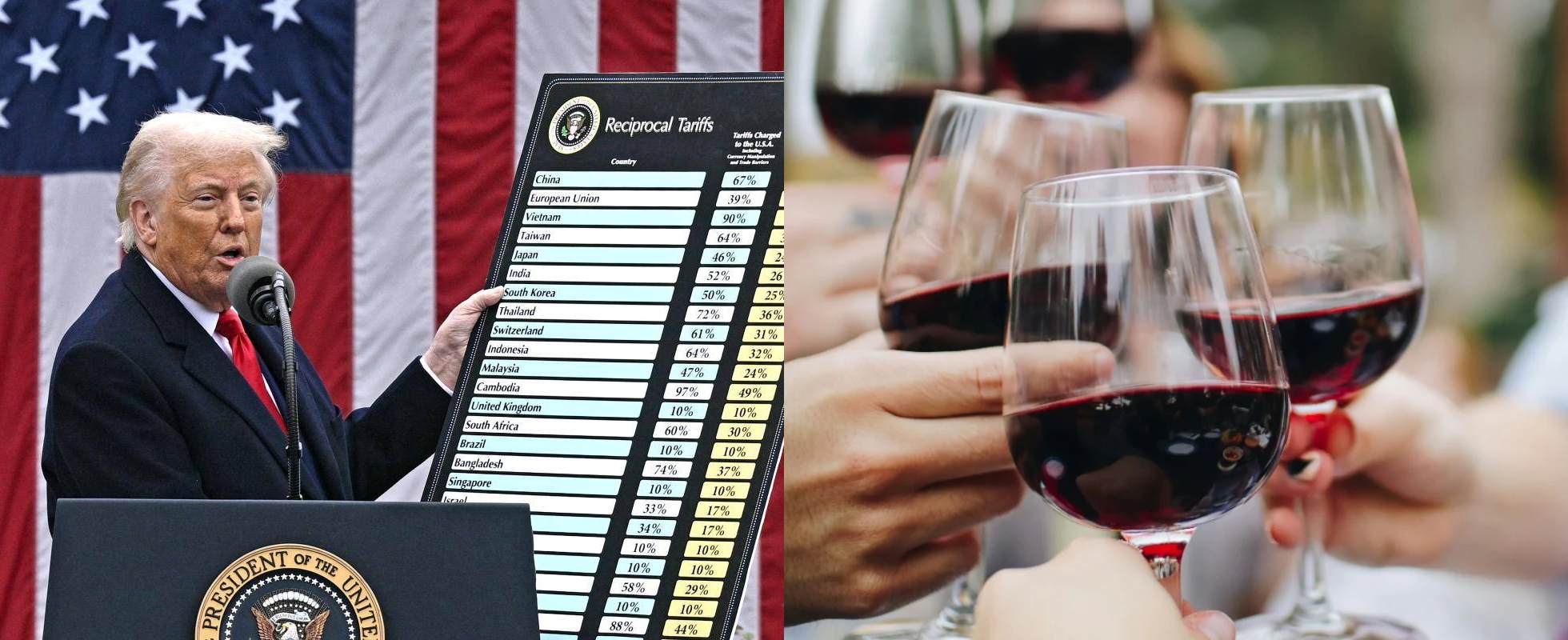
When the U.S. Supreme Court struck down approximately two-thirds of the Trump administration’s tariffs on February 20th, the victory didn’t come from tech giants or retail behemoths. Instead, a tiny wine importer called VOS Selections led the charge.
The company, along with several other small firms, challenged the legality of tariffs imposed on their French wines under what the administration claimed was a national emergency. Their argument was straightforward: the International Emergency Economic Powers Act, which doesn’t even mention the word “tariff,” was never intended to give presidents unlimited authority to tax American consumers.
VOS Selections pointed out a fundamental constitutional problem. The power to tax belongs to Congress under Article One of the Constitution. While Congress has delegated some authority to the executive branch through specific laws, the IEPA was designed in the 1970s to freeze bank accounts of hostile nations or prevent weapons shipments to dangerous groups. It wasn’t meant to bypass the legislative branch’s authority over taxation.
The Supreme Court agreed, with Chief Justice Roberts noting that Congress doesn’t hide elephants in mouse holes. If lawmakers intended to grant presidents the power to unilaterally impose hundreds of billions of dollars in taxes, they wouldn’t have buried that authority in an unrelated emergency statute.
The ruling applied the major questions doctrine, a principle championed by the court’s conservative majority. This doctrine prevents executive agencies from claiming sweeping powers based on vague statutory language. During oral arguments, justices raised a compelling scenario: if this use of emergency powers were allowed, a future president could declare a climate emergency and impose massive taxes on gas-powered vehicles crossing the border.
The victory means approximately $175 billion in tariff refunds will flow back to importers who paid duties between April 2024 and the court’s decision. Most of this money remains held by U.S. Customs, not yet transferred to the Treasury, making refunds administratively simpler.
However, the economic impact for everyday consumers remains unclear. Research from the New York Federal Reserve found that Americans absorbed between 86% and 94% of tariff costs through higher prices. While importers have legal standing to claim refunds, tracking which companies absorbed costs versus passing them to shoppers is nearly impossible.
The administration responded within hours, pivoting to Section 122 of the Trade Act of 1974. This provision allows temporary surcharges up to 15% to address balance of payment concerns. Yet this replacement faces its own limitations: a 150-day expiration requiring Congressional renewal and a hard ceiling preventing the targeted punishment tariffs previously used against specific countries.