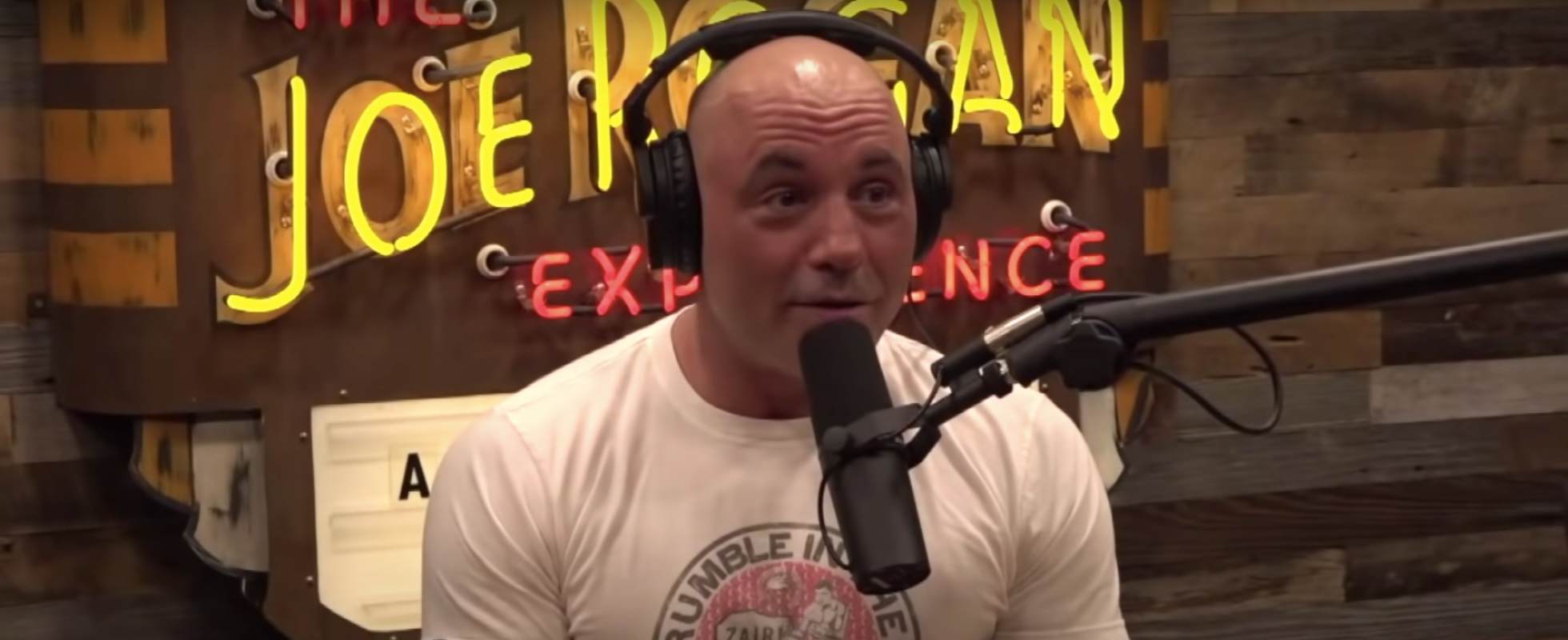
There was a time when Joe Rogan’s podcast felt like a genuine cultural space. Long conversations with scientists, comedians, and athletes made it required listening for millions. That version of the show feels distant now.
A recent episode of The Joe Rogan Experience featuring comedian and longtime friend Duncan Trussell highlighted a moment that felt less like casual conversation and more like a quiet reckoning between two old friends. At several points, Trussell appeared to gently steer the discussion toward self-reflection, raising questions about influence, belief, and susceptibility to outside narratives.
During the conversation, Trussell acknowledged his own vulnerability to manipulation, saying, “I have been in a few cults. I get sucked in all the time. I’m highly susceptible to propaganda.” Rogan responded, “Me too. I think everybody is. That’s why it works. I mean, I don’t buy into all of it, obviously, but there’s quite a bit.”
However, at no point during this exchange did Rogan turn the lens on himself and acknowledge the role his own platform played in amplifying the very content being discussed.
It seemed like both Trussell and Rogan were working through something, with Trussell doing the emotional labor for both of them. Rogan’s old friend was doing what close people sometimes do when someone they care about will not say the thing themselves.
Additionally, Rogan signed a deal with Spotify reportedly worth around a quarter billion dollars. And rather than using it to platform the kinds of voices who might help audiences make sense of a genuinely chaotic world, the show increasingly reflects a political alignment that Rogan himself seems unwilling to examine critically.
What once looked like fearless independent thinking now looks a lot more like a guy who got comfortable, got very well paid, and stopped asking the hard questions, including the ones about himself.