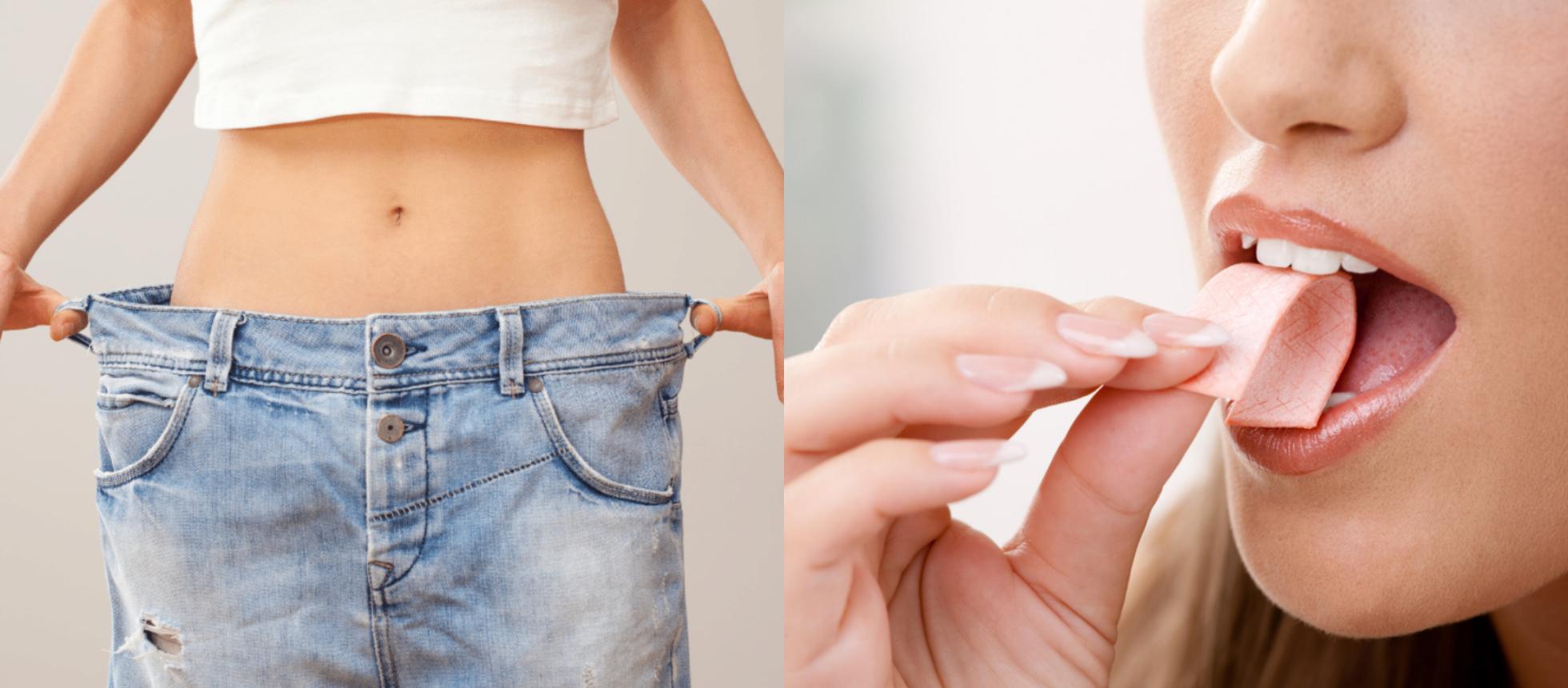
Something unexpected is happening in the candy aisle. As millions of Americans turn to GLP-1s like Ozempic to manage their weight and blood sugar, one category of consumer products is quietly riding the wave: gum and mints.
According to sources, Hershey’s CEO Kirk Tanner made that connection explicit during the company’s earnings call on April 30, pointing to the rise of weight loss d**gs as a meaningful tailwind for the confectionery giant’s refreshment products.
“We’ve also seen strong demand for gum and mints, as the category benefits from functional snacking tailwinds, including GLP-1 adoption,” Tanner said. “Retail sales for our third-largest confection brand, Ice Breakers, increased over 8% in the quarter.”
Speaking separately to the Wall Street Journal, Tanner went further in his optimism about where the brand is headed. “We’ve started to see some traction around our refreshment brand, Ice Breakers. Gum and mints, our business is doing very well. This will be a billion-dollar brand,” he said.
The connection between GLP-1 d**gs and fresher breath needs might not be immediately obvious, but users of treatments like Ozempic have increasingly flagged an uncomfortable and lesser-known side effect: a condition colloquially referred to as “Ozempic breath.”
Dr. Neha Lalani, speaking in a 2024 interview, described the phenomenon plainly. “Ozempic breath refers to a fishy smell in burps or bad breath,” she said. The condition appears to stem from how these d**gs interact with digestion and metabolism, though the exact mechanisms can vary from person to person.
Dr. Christopher McGowan has noted that pinpointing the origin of the problem is a necessary first step toward addressing it, explaining that bad breath, or halitosis, is typically linked to oral hygiene. For GLP-1 users, the source may be less straightforward than a typical hygiene issue, which could explain why so many are reaching for a quick fix in the form of mints and chewing gum.
GLP-1 treatments work by mimicking hormones that regulate blood sugar and appetite, according to the National Academy of Medicine. They are widely prescribed for Type 2 diabetes management and weight loss support, and their popularity has grown considerably over recent years.