
Free to use under the Unsplash License
There was a moment, not long ago, when Joe Rogan and his circle of comedians felt like the last people operating outside the system. No networks, no gatekeepers, no permission required. Just a microphone, long conversations, and an audience that kept growing. For millions of people, that felt like something real.
The appeal made sense. For decades, a small group of executives and agents decided who got opportunities in comedy and who did not. Podcasts broke that open. Comics who had spent years grinding club circuits suddenly had direct access to audiences in the millions.
When Rogan pushed a comedian on his show, careers changed overnight. The so-called “Rogan bump” became the fastest path to arena-level success without a single Hollywood development deal.
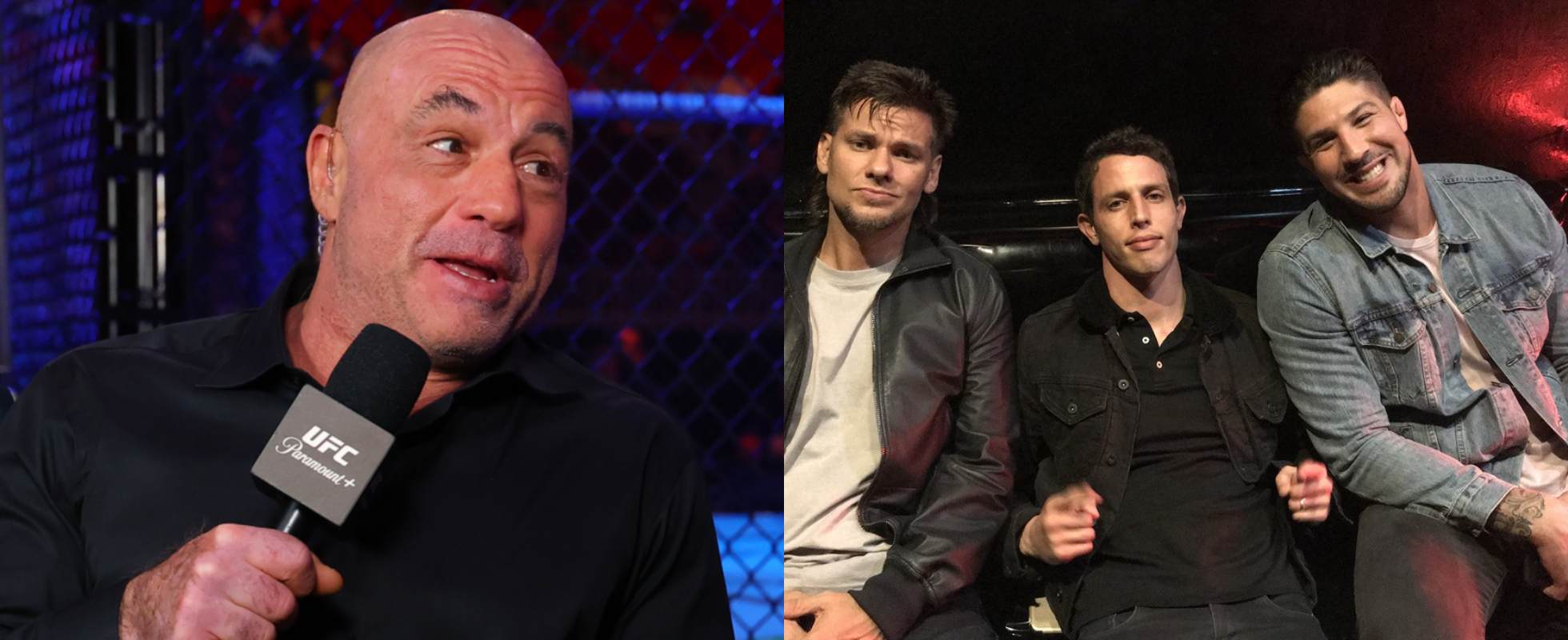
The identity of the scene was clear: no restrictions, no corporate filtering, just comedians who refused to play the old game. Tom Segura, Bert Kreischer, Andrew Schulz, and others built personas that people connected with precisely because they felt unmanaged. And at the center of it was Rogan, functioning not just as a host but as a multiplier for everyone around him.
The early infrastructure was genuinely collaborative. Comics appeared on each other’s shows freely, something that simply did not happen in late-night television. As Rogan once noted, Jimmy Kimmel would never appear on Seth Meyers‘ show, but podcast comedians had no such competition. Everyone helped each other. Everyone ate.
Then the scale changed everything.
When Barack Obama recorded an interview in Marc Maron‘s garage in 2015, it was a signal that podcasts had crossed into legitimacy. When Elon Musk appeared on the Joe Rogan Experience in 2018, the episode became one of the most watched in podcast history and demonstrated something different entirely: this medium now had the power to move markets and public conversation simultaneously.
By 2020, the infrastructure was in place for a complete takeover. The pandemic kept people home and searching for clarity. Rogan’s show, already massive, became a primary information source for millions. Institutions began responding to it. Rogan was no longer just a comedian hosting conversations. He had become part of the story itself.
The move to Austin centralized what had previously been a loose network. The Mothership comedy club gave the scene a physical address. Once there was an inside and an outside, getting in became a goal rather than an organic process. Young comedians were lining up hoping to get pulled. The scene stopped attracting attention and started attracting power.
That power came with its own set of pressures. When Saudi Arabia’s comedy festival extended invitations to comedians in the orbit, it tested the outsider identity directly.
For years, the line had been clear. These were people who criticized the old entertainment machine for chasing money at the expense of integrity. When the invitations arrived, the responses were varied and revealing. Some went. Some passed. The ones who went had to explain it, and the explanations sounded familiar to anyone who had watched the old system defend itself.
The 2024 election cycle made something undeniable. The Rogan sphere had moved into politics with real consequences. Multiple high-profile political appearances on shows within the network coincided with measurable shifts in public sentiment. Comedians who had built their credibility on being apolitical were now being treated as political platforms.
The Rogan sphere did not fall apart. It did not disappear. It won. And winning changed it into precisely the kind of centralized, access-driven, influence-heavy system it once defined itself against. The outsiders became the establishment.


